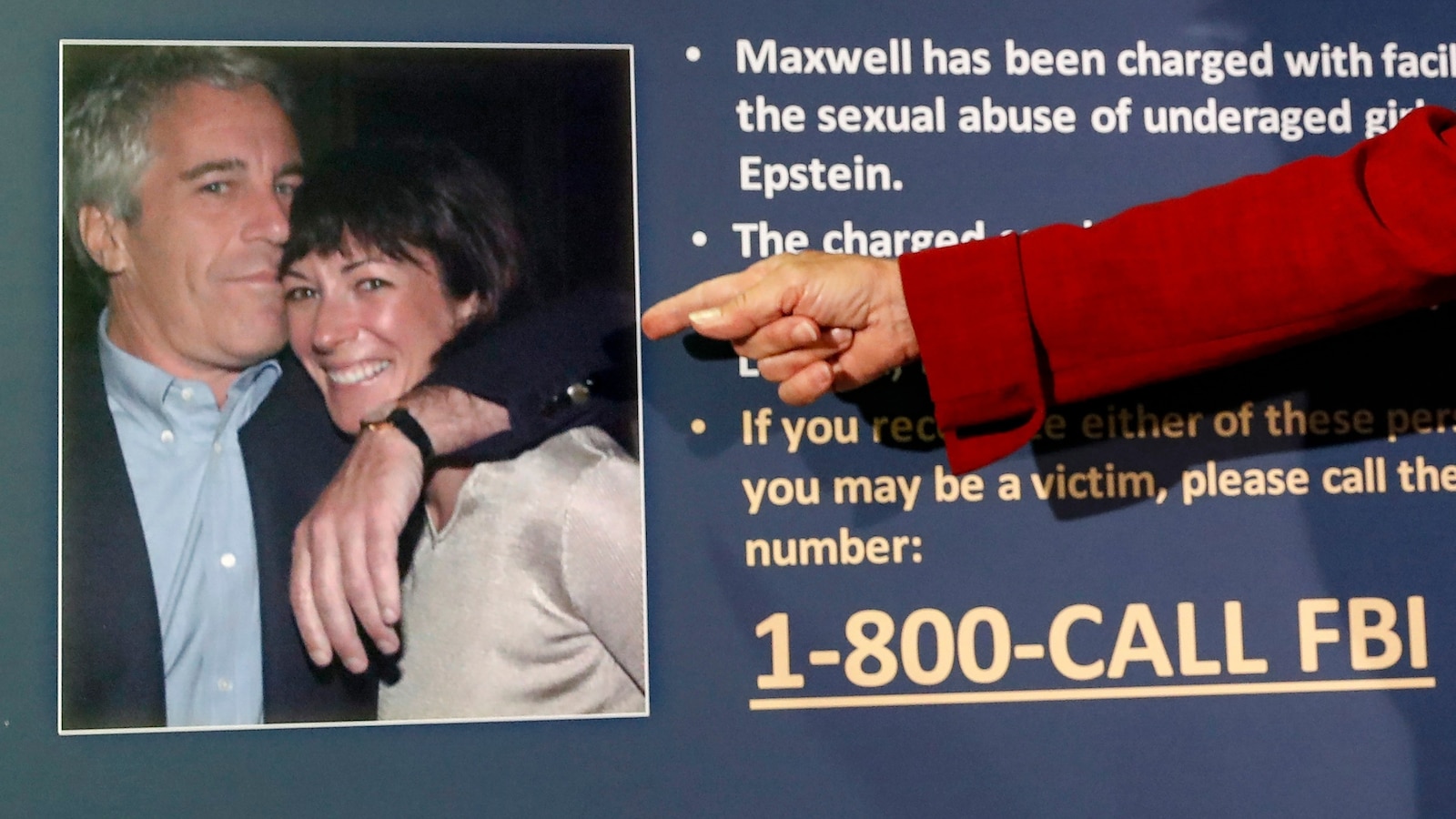
The Justice Department asked a federal court in Florida to unseal grand jury transcripts from the 2005 and 2007 federal probe of Jeffrey Epstein, citing the newly enacted Epstein Transparency Act and seeking to comply with the bill’s 30‑day production deadline; DOJ told the court grand jury material is not exempt from the law and requested lifting the protective order while promising redactions for victim-related and personally identifying information. The appeal follows earlier, unsuccessful summer requests in New York and Florida and comes after bipartisan congressional passage of the bill (unanimous in the Senate and 427‑1 in the House) amid ongoing criticism of DOJ’s handling of the Epstein investigation and his 2019 death. Public release of these grand jury materials could revive scrutiny of prosecutorial decisions, implicate reputational or legal exposure for individuals referenced in the files, and prompt further investigation or oversight.
The Department of Justice has filed in federal court in Florida asking that grand jury transcripts from the 2005 and 2007 federal investigation of Jeffrey Epstein be unsealed, citing the newly enacted Epstein Transparency Act and a 30‑day production deadline; DOJ asserts grand jury material is not exempt and has requested lifting the protective order while proposing redactions for victim-related and personally identifying information. The Act was passed unanimously in the Senate and by a 427‑1 margin in the House, creating statutory pressure to disclose “all unclassified records, documents, communications, and investigative materials,” even though the statute does not explicitly mention grand jury transcripts. This filing follows earlier summer requests in New York and Florida that were denied and arrives amid continued political and public scrutiny of DOJ’s handling of Epstein — including a prior DOJ memo denying evidence of a client list and confirming Epstein died by suicide in 2019. Public release of these materials could revive scrutiny of prosecutorial decisions, produce reputational or legal exposure for individuals named in the files, and trigger further oversight or investigatory activity; market signals indicate neutral sentiment and only a marginal expected market impact, implying risks are likely to be idiosyncratic rather than systemwide.
AI-powered research, real-time alerts, and portfolio analytics for institutional investors.
Request DemoOverall Sentiment
neutral
Sentiment Score
0.00
