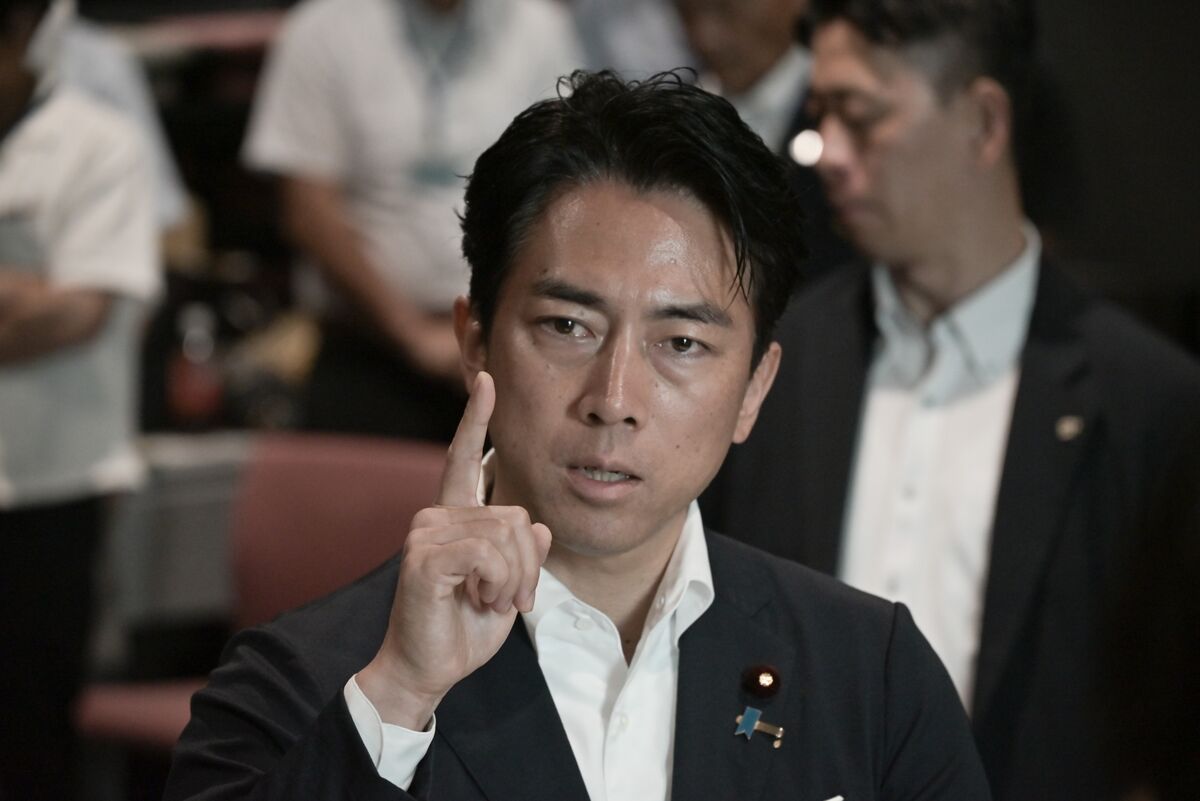
Shinjiro Koizumi, a leading candidate for Japan's ruling party leadership, unveiled economic policy proposals aimed at countering inflation and stimulating growth, including a target to raise average wages by ¥1 million ($6,760) within five years. His plan also encompasses reducing gasoline levies, overhauling income taxes to spur growth, and attracting ¥135 trillion in investments to Japan by fiscal year 2030, signaling a potential shift in the nation's economic strategy.
Shinjiro Koizumi, a prominent candidate for Japan's ruling party leadership, has unveiled an ambitious economic platform aimed at stimulating growth and combating inflation. The core proposals include a target to raise average wages by ¥1 million ($6,760) within five years and to attract ¥135 trillion in new investment by fiscal year 2030. These objectives are to be supported by specific fiscal measures, including reductions in gasoline levies and an overhaul of the income tax system, with the stated intention of using increased tax revenues to fuel further economic expansion. The strongly positive sentiment and moderate market impact score suggest that these proposals are viewed as a credible and potentially significant shift away from prior economic strategies, directly addressing long-standing issues of wage stagnation and offering a clear path toward boosting domestic demand and corporate investment, contingent on Koizumi's political success.
AI-powered research, real-time alerts, and portfolio analytics for institutional investors.
Request DemoOverall Sentiment
strongly positive
Sentiment Score
0.70
