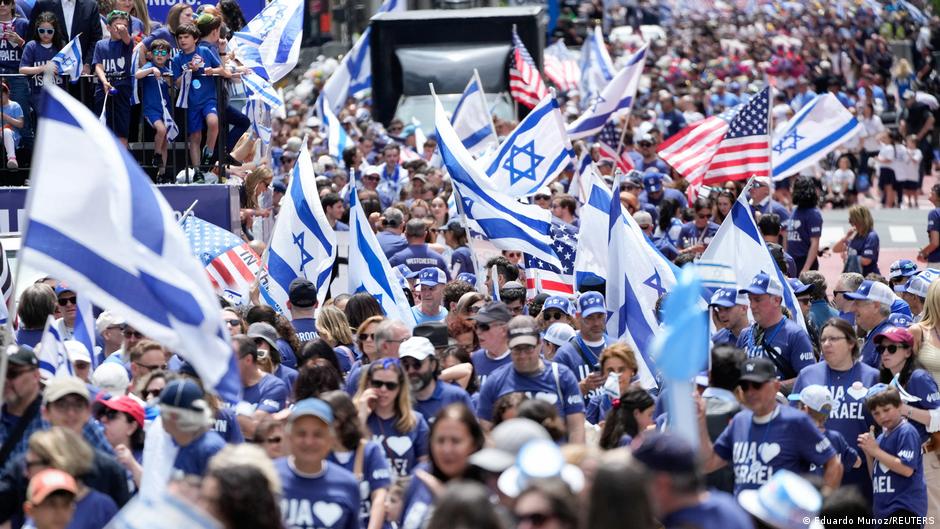
New York Mayor Zohran Mamdani skipped the annual Israel Day Parade, becoming the first city mayor in decades to absent himself from the event. The move drew criticism from Israeli officials and underscored tensions over the Gaza war, while Mamdani said he would not attend and promised a large police presence to keep the parade peaceful. The article is primarily political and geopolitical, with limited direct market relevance.
The immediate market read is not on direct assets but on policy drift: this is another data point that the center of gravity in urban Democratic politics is shifting away from automatic alignment with pro-Israel constituencies. That matters because New York is a signaling hub for philanthropy, media, higher education, and municipal procurement, so reputational spillovers can show up first in sponsorships, campaign donations, and corporate DEI/ESG positioning rather than in any direct budget line.
The second-order beneficiary is the local security ecosystem. A mayor publicly distancing himself from the parade while still overinvesting in policing creates a "dual-track" setup: elevated event-security demand with low tolerance for missteps. That tends to favor vendors with entrenched municipal relationships, camera/monitoring, and crowd-management exposure; the downside is political scrutiny on those contracts, which can elongate award timelines and compress margins if procurement becomes more compliance-heavy.
The bigger tradable effect is sentiment contagion for U.S. corporates with asymmetric exposure to activist campaigns. Institutions with large New York footprints, consumer brands, and university-adjacent sponsorship budgets face a higher probability of boycott pressure or compelled neutrality statements over the next 1-2 quarters. The consensus is probably underestimating how quickly this can become a multi-city template if the mayoral stance is interpreted as permission for similar postures in other large metros.
Contrarianly, the overreaction risk is that investors treat this as a broad anti-Israel demand shock, when the more durable impact is on political coalition management and municipal governance. Unless this escalates into a recurring security incident or procurement dispute, the market impact should stay localized and ephemeral; the real opportunity is in short-duration event-driven dislocations, not a structural macro thesis.
AI-powered research, real-time alerts, and portfolio analytics for institutional investors.
Request TrialOverall Sentiment
neutral
Sentiment Score
-0.05
