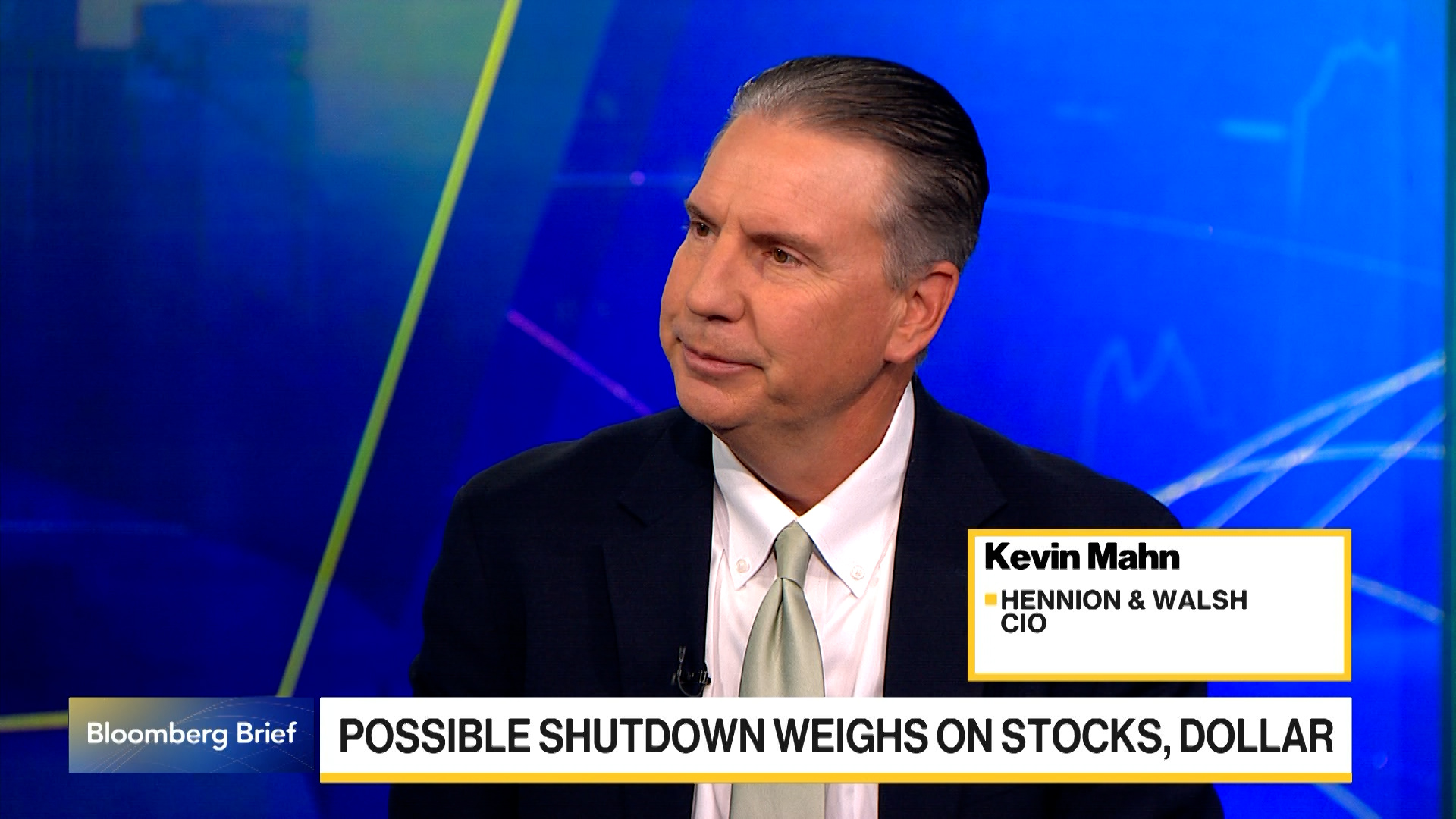
Hennion & Walsh CIO Kevin Mahn stated on Bloomberg Brief that he believes the Federal Reserve is "scared" and anticipates 25 basis point rate reductions at each of the year's final two FOMC meetings. Mahn also expressed a view that the U.S. market is currently overvalued, signaling a cautious outlook on monetary policy and equity valuations.
Kevin Mahn, CIO of Hennion & Walsh, has articulated a notably cautious outlook on U.S. monetary policy and equity markets, signaling a potential inflection point for investors. He forecasts that the Federal Reserve will implement two distinct 25 basis point rate reductions during the final two FOMC meetings of the year, a stance he attributes to the view that the 'Fed is scared.' This characterization suggests that any forthcoming monetary easing may be a reactive measure to deteriorating economic conditions rather than a proactive fine-tuning. Compounding this concern, Mahn concurrently labels the U.S. market as 'overvalued.' This dual assessment—an impending easing cycle driven by fear and stretched equity valuations—presents a significant risk scenario, where monetary stimulus may prove insufficient to counteract a correction in an overpriced market. The 'strongly negative' sentiment score of -0.6 associated with this commentary underscores the pessimistic tone and its potential to influence institutional positioning.
AI-powered research, real-time alerts, and portfolio analytics for institutional investors.
Request DemoOverall Sentiment
strongly negative
Sentiment Score
-0.60
