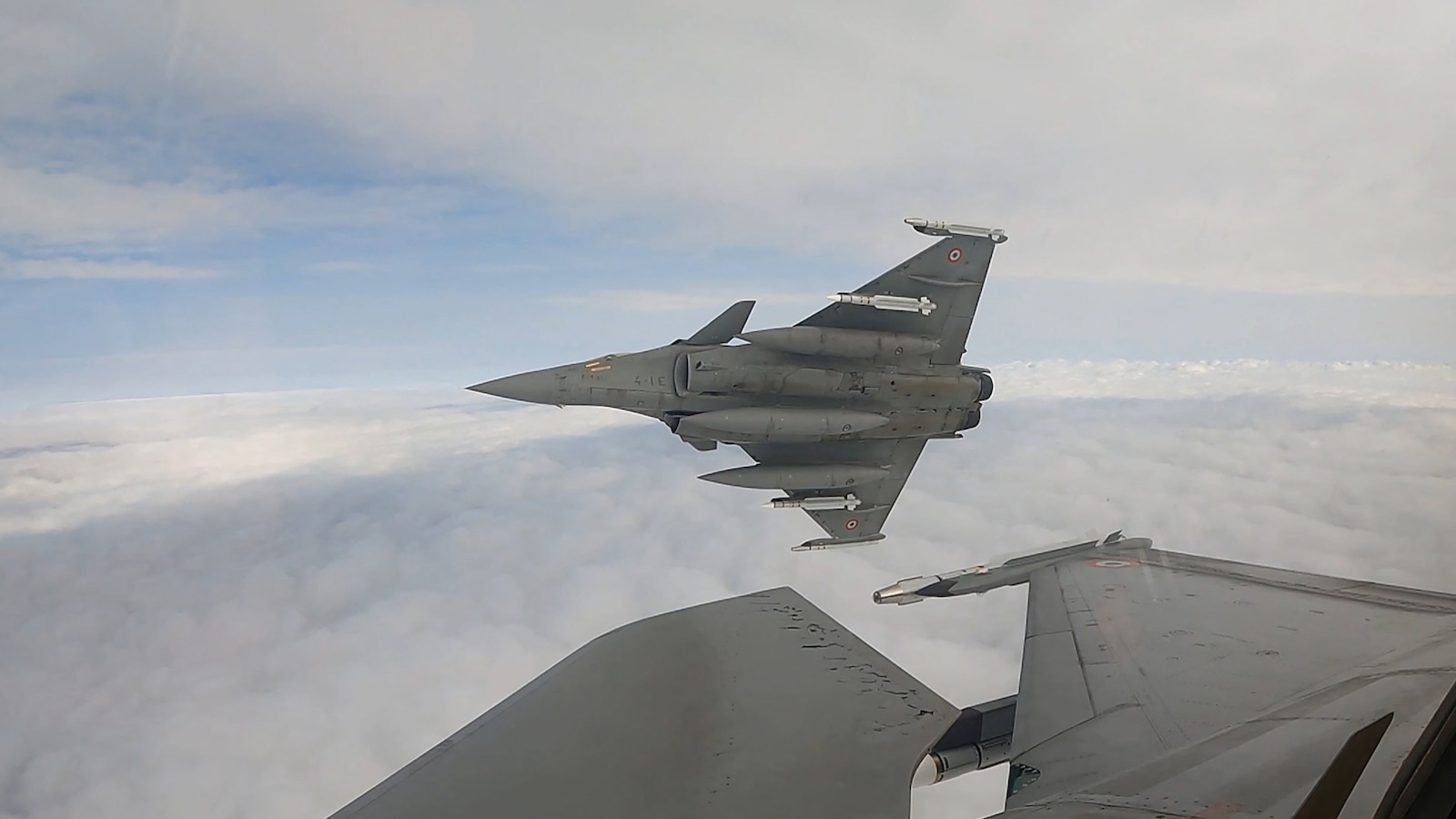
NATO has initiated "Eastern Sentry," a new operation to bolster defenses against Russian drone incursions into allied airspace, prompted by a recent incident in Poland and ongoing violations across its eastern flank. The operation involves the deployment of fighter jets and anti-air assets from member states like Denmark, France, and Germany, alongside efforts to rapidly field advanced counter-drone technologies. This escalation of NATO's posture, which Ukrainian officials assert is an intentional Russian strategy to test the alliance, faces warnings from Moscow that shooting down munitions over Ukraine would constitute a dangerous escalation, underscoring rising geopolitical risk in Eastern Europe.
NATO has formalized its military response to persistent Russian drone incursions by launching Operation "Eastern Sentry," a significant escalation in the alliance's defensive posture on its eastern flank. This operation, triggered by Poland's invocation of Article 4 after 19 Russian drones violated its airspace, involves the deployment of fighter jets and naval assets from Denmark, France, and Germany. The operation's structure, modeled on the "Baltic Sentry" initiative, notably includes a mandate for NATO's Allied Command Transformation to rapidly develop and field advanced counter-drone technologies, signaling an acceleration in defense innovation and procurement. The context provided by the Institute for the Study of War suggests these incursions are a deliberate Russian strategy to gauge NATO's capabilities and reaction times. This assessment, combined with continued violations in Romania even after the operation's launch and stark warnings from Moscow that engaging Russian munitions would mean "a war between NATO and Russia," underscores a highly volatile geopolitical environment with a tangible risk of miscalculation and further escalation.
AI-powered research, real-time alerts, and portfolio analytics for institutional investors.
Request DemoOverall Sentiment
strongly negative
Sentiment Score
-0.60
