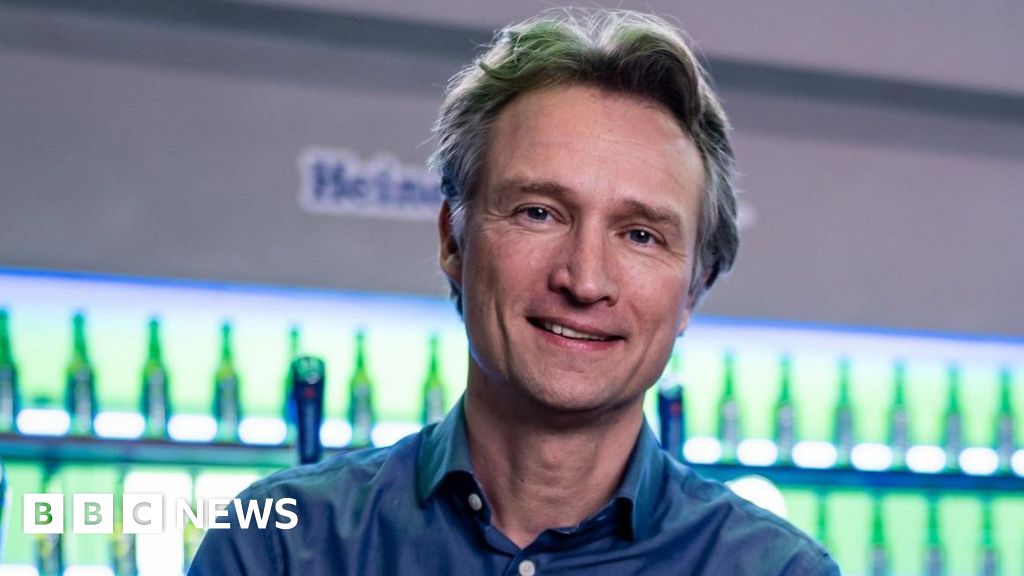
Heineken CEO Dolf van den Brink will step down in May after six years as the brewer grapples with falling beer volumes (down 2.3% year-to-date) and an October profit warning that flagged expectations for even lower sales in 2026. Weakness in key markets including Europe and the US — and a decline in its Heineken 0.0 low‑alcohol SKU — sent the share price down about 3% on the news, with analysts warning of longer‑term growth risks, the need for stronger brand investment and potential pressure on company fundamentals and guidance.
Market structure: Heineken’s CEO exit and a reported -2.3% YTD volume drop signal structural demand rotation away from mainstream beer toward low/no-alc and premium spirits. Winners: premium spirits (Diageo DEO), resilient global brewers with strong premium portfolios (Anheuser-Busch BUD); losers: legacy mass lager brands in Europe (Heineken HEIA, Carlsberg CARL-B) facing price-sensitive consumers. Cross-asset: expect modest increase in equity volatility for European beverage names (days-weeks), small downward pressure on malting/barley and aluminium demand if volumes continue to fall, and defensive bond inflows into IG staples if earnings guidance weakens (quarters).
Risk assessment: near-term (days-weeks) volatility around the new CEO announcement (May) and Q1/Q2 sales updates; short-term risk is sentiment-driven selloffs of ~5-15%. Long-term (12–36 months) tail risks include accelerated generational shifts to non-alc, regulatory excise hikes in core markets, or margin erosion from higher marketing spend; hidden dependency: Heineken’s emerging market growth (Mexico/China) can mask European weakness and delay price discovery. Key catalysts: new CEO strategy (May), FY25/Q1 releases, major ad/premiumization campaigns, and non-alc product relaunches.
Trade implications: tactically favor long premium spirits and selective brewer longs while shorting structurally challenged beer names. Use pair trades to hedge macro (long DEO or BUD vs short HEIA) with 6–12 month horizons; use options to define risk—buy 3–9 month puts on HEIA for downside protection or buy 12–24 month LEAPS calls on DEO to capture premiumization. Rotate 2–5% portfolio weight from European beer equities into global premium spirits and investment-grade staples bonds over next 1–3 months.
Contrarian angles: consensus focuses on CEO change but may underprice Heineken’s scale, emerging market footprint and potential turnaround under new leadership; a successful premium/0.0 relaunch could deliver >20% stock recovery within 12–18 months. Reaction is mixed: near-term selloff (3% on announcement) likely not full valuation reset if management acts decisively; downside becomes crowded if multiple brewers miss guidance, creating short-squeeze risk on any positive surprise (rebranding, margin recovery).
AI-powered research, real-time alerts, and portfolio analytics for institutional investors.
Request DemoOverall Sentiment
moderately negative
Sentiment Score
-0.55
