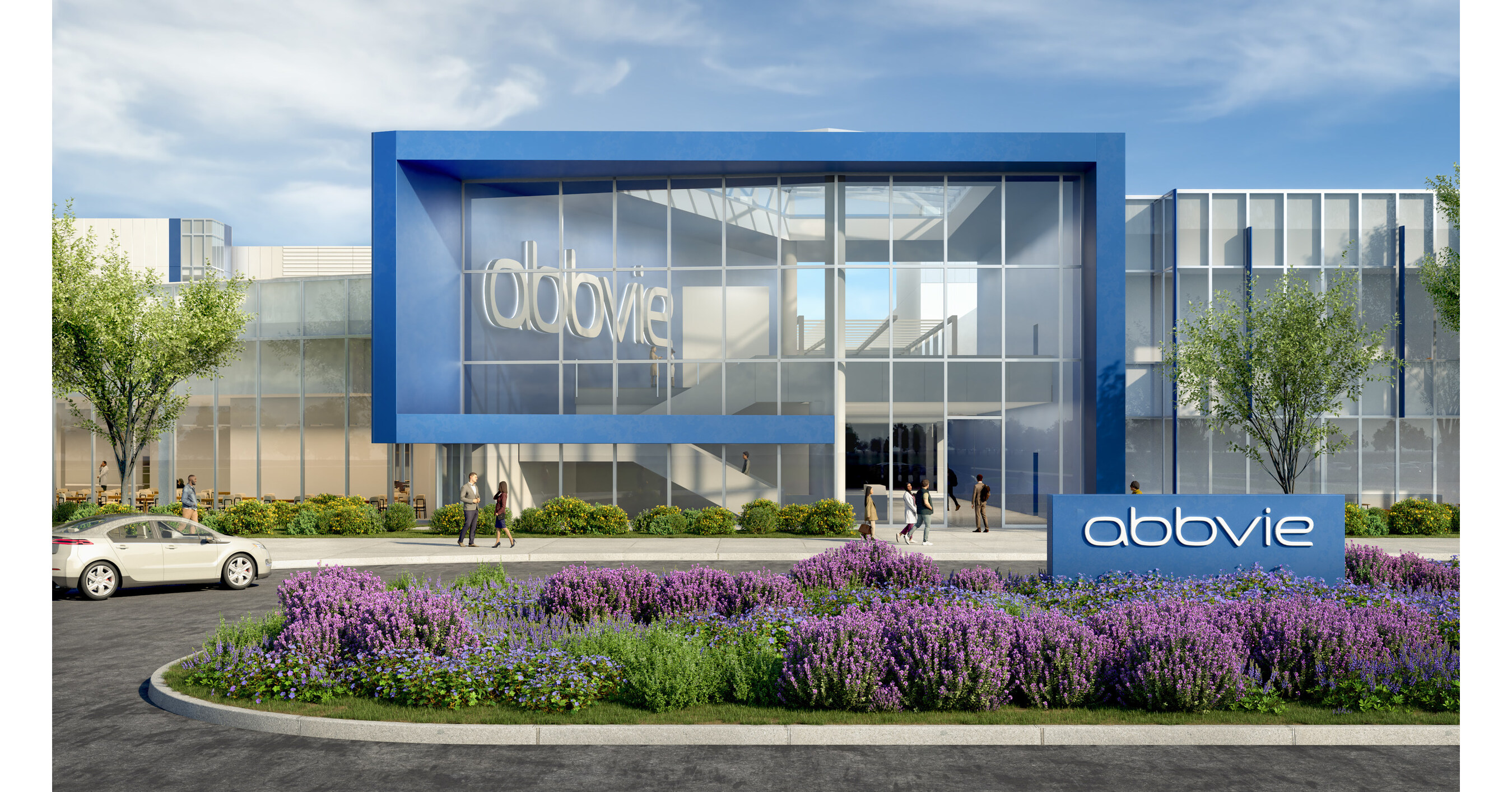
AbbVie announced a $1.4 billion investment to build a 185-acre pharmaceutical manufacturing campus in Durham, North Carolina, its first major investment in the state. The project will create 734 permanent jobs over four years and more than 2,000 construction jobs, with completion expected by the end of 2028. The campus will focus on SVP manufacturing and next-generation labs, integrating AI and supporting AbbVie's immunology, neuroscience and oncology pipeline.
This is less a near-term earnings event than a supply-chain de-risking move that improves AbbVie’s optionality around sterile injectables, where capacity, quality control, and regulatory continuity matter more than headline cost. The market should read this as a hedge against single-site disruption and outsourcing bottlenecks, especially as small-volume parenterals are a high-friction manufacturing segment with meaningful switching costs and persistent shortages across the category.
The second-order winner is the regional life-sciences ecosystem: contract engineering firms, clean-room equipment suppliers, validation/software vendors, and utilities serving the Triangle should see multi-year demand tailwinds. For competitors, the implication is more subtle — AbbVie is signaling it can internalize more complex manufacturing, which can compress the strategic value of CMOs that rely on scarce sterile-fill capacity and may pressure peers to follow with their own capex plans, lengthening the industry’s capital cycle.
For ABBV, the key debate is whether this is value-creating or simply value-preserving. In the near term, it is margin dilutive via capex and startup inefficiency, but over a 3-5 year horizon it can lower supply risk, improve launch readiness for pipeline assets, and increase pricing/availability leverage on high-value injectables. The contrarian risk is that investors overestimate the incremental EPS drag: a phased build with AI-enabled operations could reduce labor intensity and batch failure rates enough to offset part of the depreciation burden.
Catalyst-wise, the stock likely trades on execution milestones rather than the announcement itself: permitting, construction progress, and any follow-on commitment to fill the campus will matter over the next 12-24 months. The biggest reversal risk is if broad pharma capex inflation, labor scarcity, or regulatory delays push the project’s cost curve higher and compress returns, turning a strategic asset into a low-ROIC drag.
AI-powered research, real-time alerts, and portfolio analytics for institutional investors.
Request TrialOverall Sentiment
moderately positive
Sentiment Score
0.52
Ticker Sentiment
