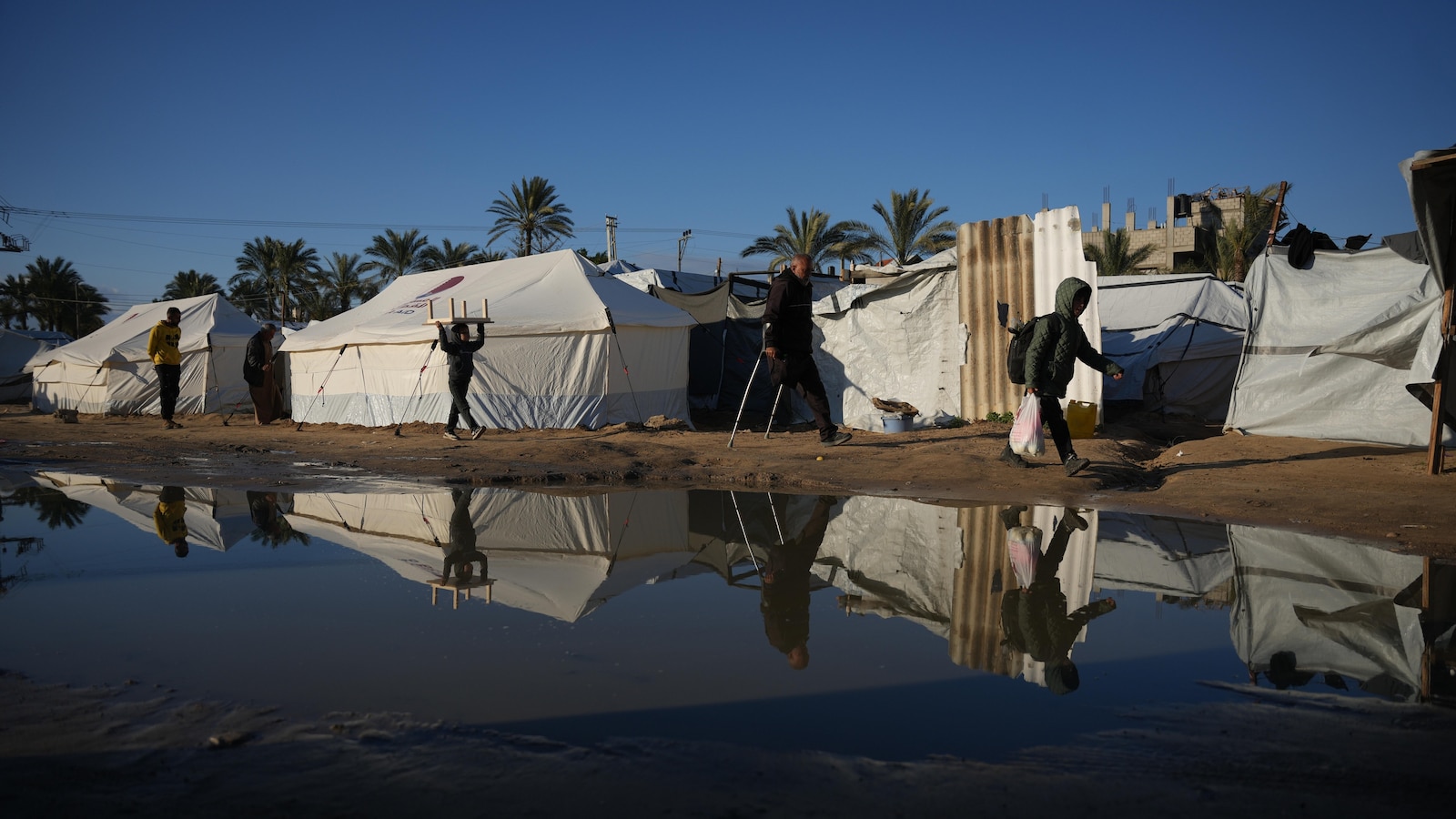
The U.S. has invited a growing list of countries to join President Trump’s new Board of Peace to oversee Gaza’s post-ceasefire phase, with permanent membership tied to a $1 billion contribution intended to fund reconstruction. Founding members named or invited include Jordan, Greece, Cyprus, Pakistan, Canada, Turkey, Egypt, Paraguay, Argentina and Albania; an executive committee lists senior U.S. and international figures (including Rubio, Jared Kushner, Tony Blair and World Bank President Ajay Banga). The board is charged with overseeing a Palestinian committee, an international security force, Hamas disarmament and reconstruction, raising geopolitical and governance risks and prompting an Israeli objection, though the development is primarily political and unlikely to be a major market mover.
Market structure: The $1B “seat” signal institutionalizes a privatized donor model that favors large U.S. defense primes, global construction heavyweights and private security firms who can win bilateral contracts outside U.N. procurement rules. Expect higher pricing power for a small set of contractors (concentrated procurement), reduced role for U.N. agencies, and a multi-year demand impulse for aggregates, heavy equipment and security services likely in the $10–40B range depending on scope and pace.
Risk assessment: Tail risks include broader regional escalation (low probability, high impact), legal/contractual disputes from sidelined multilateral bodies, and donor fatigue that delays disbursements. Near-term (days–weeks) volatility will hinge on Davos announcements and ceasefire stability; medium-term (3–12 months) risk centers on board composition and funding milestones; long-term (12–36+ months) depends on procurement awards and Israeli/Hamas political outcomes.
Trade implications: Direct exposures: defense primes (LMT, RTX, NOC) and heavy-equipment/materials names (CAT, MLM, VMC) are primary beneficiaries; safe-haven trades (GLD, TLT) should be used tactically. Volatility catalysts (Davos list, contract awards, ceasefire breaches) create option opportunities—buy 3–6 month calls on defense names and use collars to limit downside while keeping upside participation.
Contrarian angles: Consensus may overestimate speed and scale of reconstruction; governance and conditionality (disarmament, Israeli coordination) could push revenues out 12–36 months, creating a timing mismatch. Historical parallels (Iraq/Afghanistan rebuilds) show big contractors win contracts but with delayed cash flow and political/legal reputational risk—favor large-cap, balance-sheet-strong names and avoid small-cap EM contractors.
AI-powered research, real-time alerts, and portfolio analytics for institutional investors.
Request DemoOverall Sentiment
neutral
Sentiment Score
0.00
