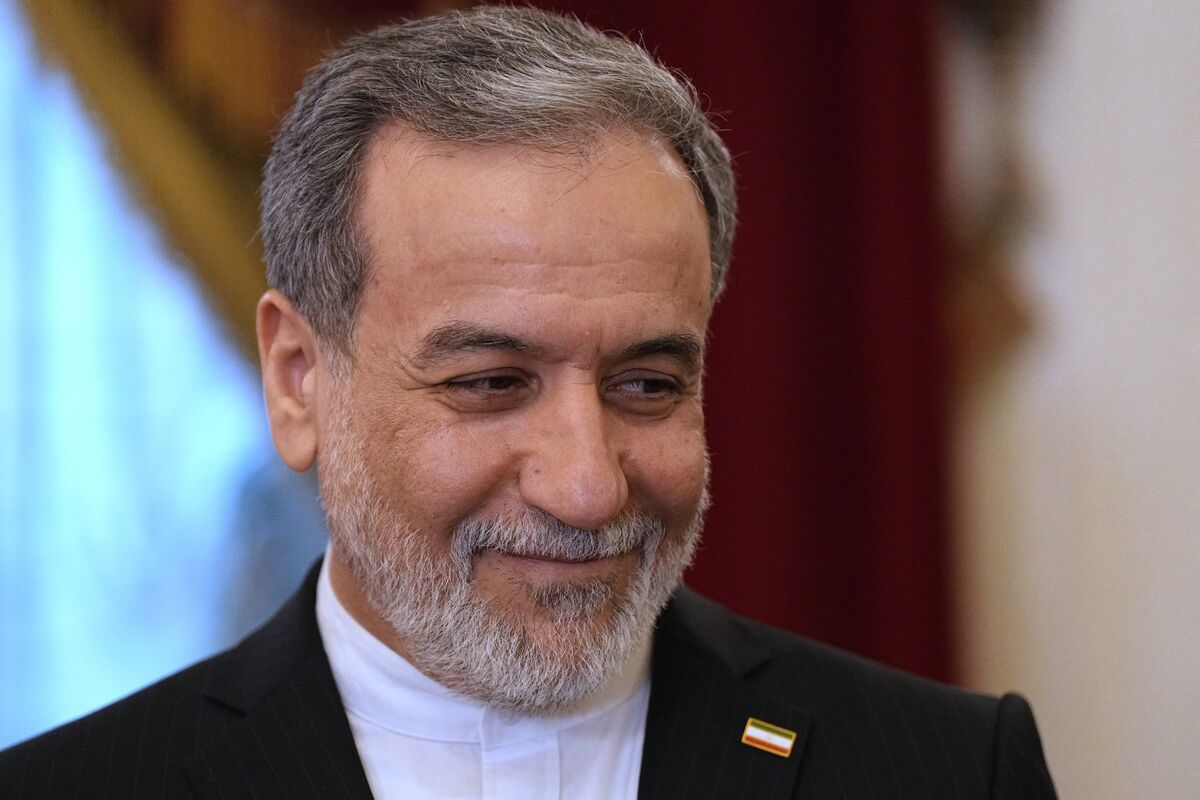
Iran’s Foreign Minister Abbas Araghchi met China’s top diplomat Wang Yi in Beijing, highlighting close Sino-Iranian ties just days before Donald Trump’s planned arrival in China. The article frames the visit in the context of the war in Iran and the resulting severe global oil supply shock, underscoring renewed geopolitical risk for energy markets. While the meeting itself is diplomatic, the broader backdrop is negative for risk sentiment and potentially supportive of crude price volatility.
This meeting is less about symbolism than about optionality on the next oil shock. Beijing is signaling it wants a backstop supplier and a diplomatic channel that can cushion any further disruption to Middle East flows, while Tehran is telegraphing that it still has strategic buyers and can monetize escalation risk even under pressure. The second-order effect is a higher geopolitical risk premium embedded in prompt crude and regional freight, with the most immediate transmission through tanker insurance, Urals/MEH spreads, and Asian refining margins rather than a straight-line move in headline Brent. The market is likely underpricing how quickly this can tighten non-OPEC supply chains if tensions re-escalate. A China-Iran alignment does not necessarily increase physical barrels immediately, but it reduces the probability that sanctions fully choke exports and increases the chance of sanctioned-barrel rerouting into Asia, which is bullish for shadow fleet utilization and bearish for compliant shipping. If Trump’s visit leads to a tougher US stance, the asymmetry is toward a sharper risk-off in EM energy importers and a steeper prompt curve over the next 2-6 weeks, not necessarily a sustained year-long spike. The contrarian read is that this is not automatically bullish crude because it also raises the odds of a negotiated off-ramp: China has an incentive to keep regional supply stable ahead of its own policy events, and Tehran may be using the meeting to signal restraint rather than escalation. That means the most attractive expression may be volatility, not outright beta — the market is pricing a directional move, but the distribution of outcomes is actually widening. In other words, the strongest edge is in owning convexity around policy dates and fading crowded long-oil positioning if diplomacy de-escalates faster than expected.
AI-powered research, real-time alerts, and portfolio analytics for institutional investors.
Request DemoOverall Sentiment
mildly negative
Sentiment Score
-0.15
