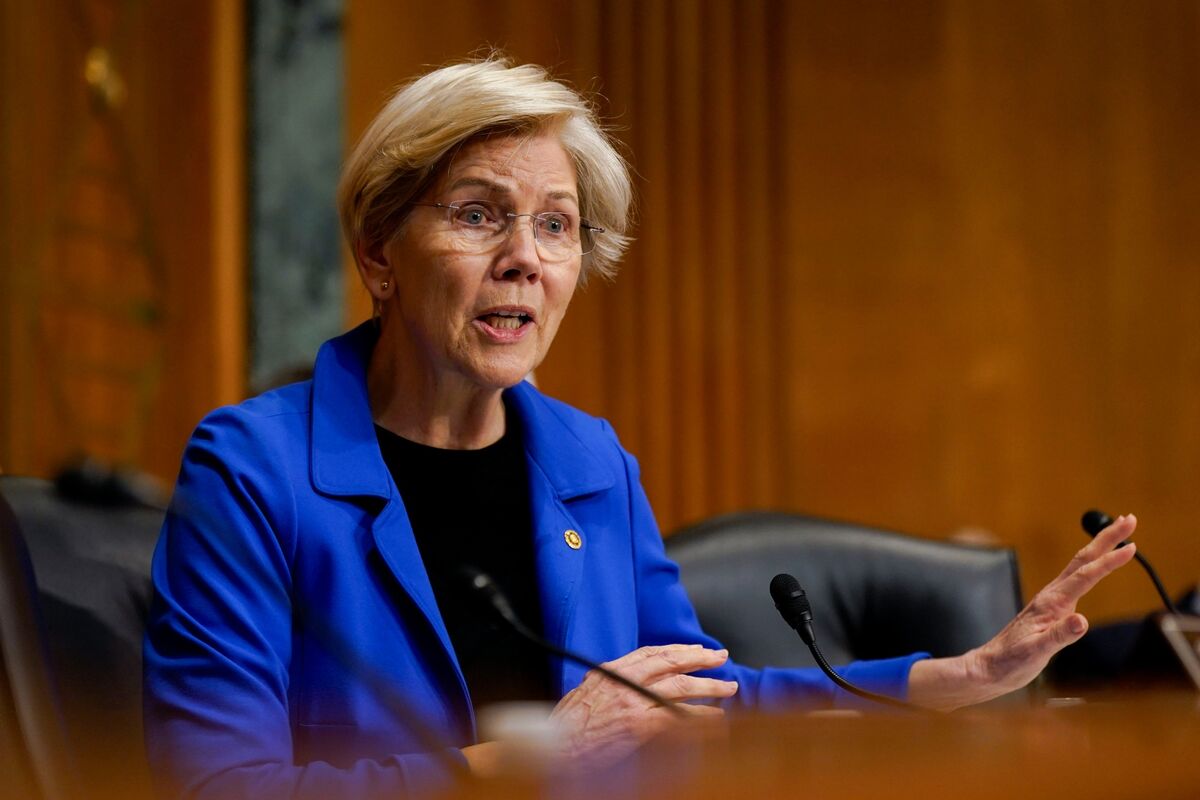
Senator Elizabeth Warren asked Fed chair nominee Kevin Warsh to explain references to him in DOJ files on Jeffrey Epstein, citing two email exchanges about possible invitations to events in St. Barthélemy (Dec 2010) and New York (Sep 2010). The inquiries create reputational and political risk that could complicate Warsh's confirmation process and Senate hearings. The issue is unlikely to affect near-term monetary policy directly but increases political uncertainty around the Fed leadership appointment.
The immediate market channel is confirmation risk rather than substance: headlines tying a high-profile nominee to a scandal raise the probability curve for a delayed vote, extended hearings, or additional document releases over the next 2–12 weeks. That creates a volatility burst around Senate procedural dates and FOIA/document production windows — expected windows for re-rating are the next hearing and any scheduled committee votes (days–weeks) and the full Senate calendar (weeks–months). Mechanically, the largest asset exposures are to interest-rate direction and risk-premia on US financials. A protracted, politicized confirmation that reduces the odds of a clearly hawkish appointee would lower term premia and bias 2s/10s down by 10–30 bps in stressed scenarios, which benefits longer-duration assets (TLT) and hurts net-interest-margin sensitive regional banks (KRE) by 3–8% over 1–3 months if the move materializes. Parallel second-order effects: a sustained headline cycle that erodes perceived Fed independence would lift safe-haven flows (gold, USD to a lesser degree) and compress risk-taking in small-caps and high-beta financials. The consensus reaction will likely be headline-chasing and short-duration hedging — overbought protection strategies and knee-jerk underweights of financials — despite a high bar for disqualifying evidence. If no smoking gun emerges within a month, expect a reversion: confirmation risk priced into rates and banks should unwind quickly, creating asymmetric opportunities for reversal trades. Key catalysts to watch are released email/doc dumps, upcoming committee hearing transcripts, and any changes in Republican caucus unity; each can swing odds materially within days.
AI-powered research, real-time alerts, and portfolio analytics for institutional investors.
Overall Sentiment
mildly negative
Sentiment Score
-0.25
