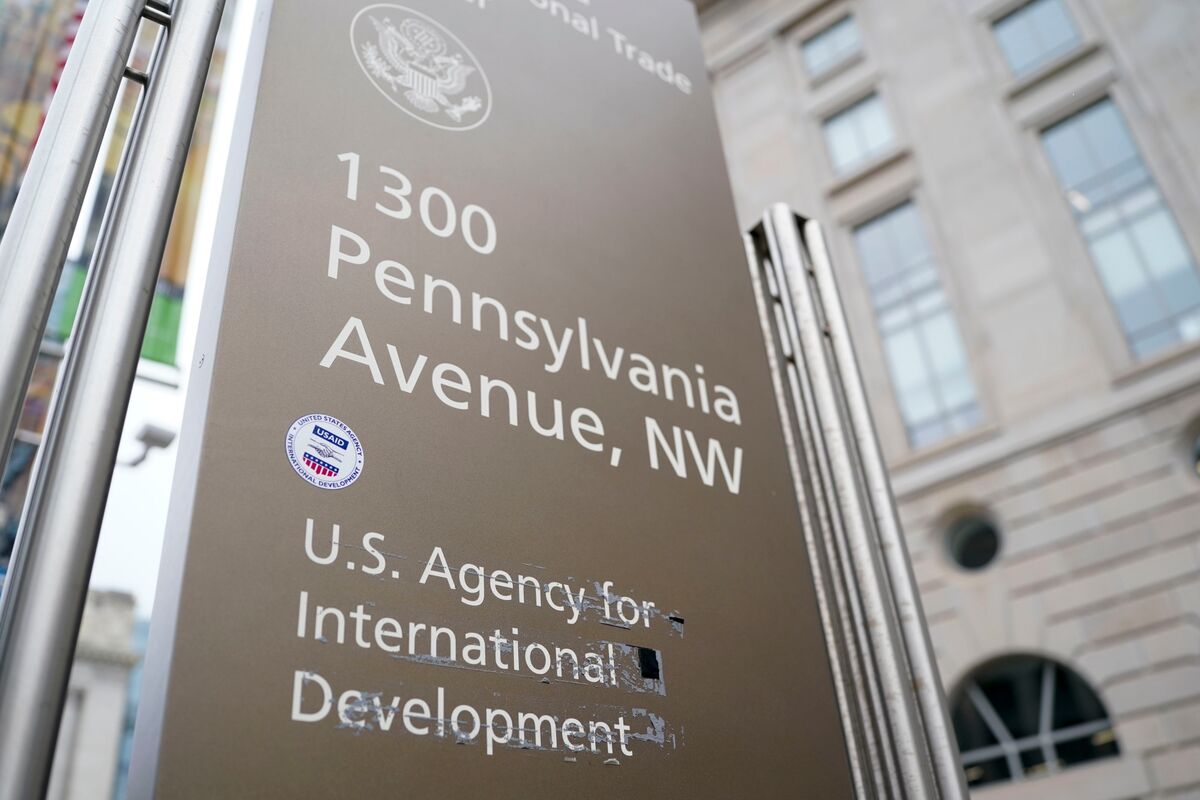
The Trump administration's Department of Justice has asked the Supreme Court to authorize a freeze on billions of dollars in foreign assistance funds approved by Congress. This urgent petition, driven by the impending September 30 fiscal year-end deadline for agency spending commitments, seeks immediate judicial clarity on the executive branch's power to withhold congressionally appropriated foreign aid, establishing a potentially significant precedent for federal budgetary authority.
The Trump administration's Department of Justice has escalated a constitutional conflict with Congress by asking the U.S. Supreme Court to rule on the executive branch's authority to freeze foreign aid funds. The request for an immediate decision highlights the urgency driven by the fast-approaching September 30 fiscal year-end deadline, after which agencies can no longer commit the funds. This legal challenge directly contests Congress's power of the purse, seeking to establish a precedent that would allow the executive to unilaterally block spending explicitly approved by the legislature. While the immediate market impact is assessed as negligible, the core issue touches upon fundamental aspects of U.S. fiscal policy, separation of powers, and legal frameworks governing federal budgets. A ruling in favor of the administration would significantly alter the balance of power over federal spending, creating potential for increased budgetary uncertainty and political friction in the future.
AI-powered research, real-time alerts, and portfolio analytics for institutional investors.
Request DemoOverall Sentiment
neutral
Sentiment Score
0.00
