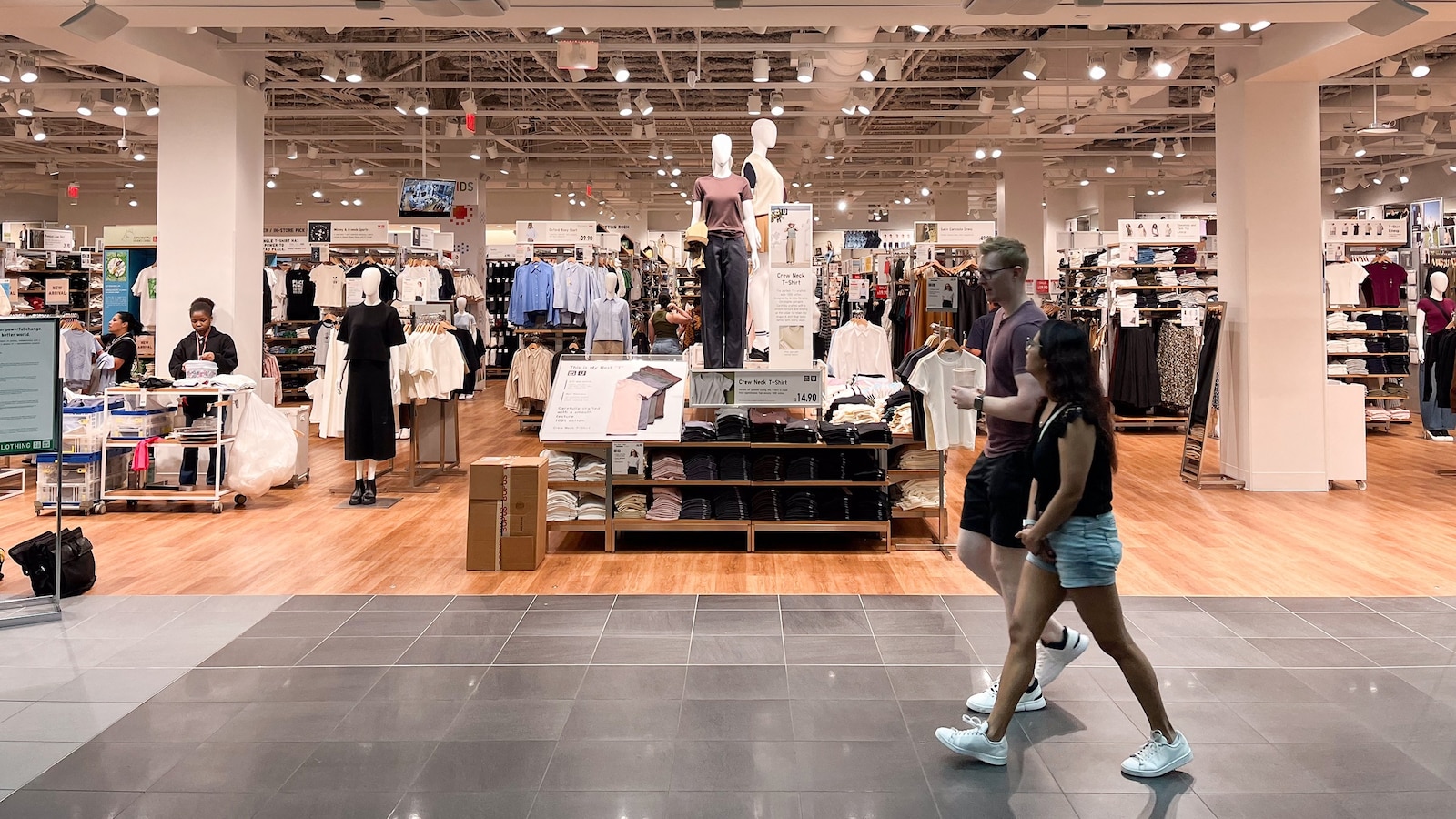
June consumer price acceleration to 2.7% year-over-year reflects an initial, albeit modest, tariff impact on imported goods, with categories like linens (+5.5%) and major appliances (+1.9%) seeing significant price increases. While analysts attribute overall inflation primarily to housing and food costs, the effective tariff rate has reached 20.6%, estimated to cost average households $2,800 annually. Future price pressures are anticipated with new tariffs set for August 1, though some experts suggest a potential tariff-induced economic slowdown could mitigate these inflationary effects.
The June consumer price index accelerated to a 2.7% year-over-year increase, reflecting the initial, albeit modest, pass-through of tariffs onto consumer goods. While the headline inflation figure is still primarily driven by domestic factors such as housing and food costs, specific import-heavy categories are exhibiting significant price pressure. For instance, linen prices rose 5.5% and major appliances surged 1.9% in June, far outpacing the overall 0.3% monthly price increase. This supports the view that companies in low-margin sectors are unable to absorb the tariff burden. The effective tariff rate has now reached 20.6%, its highest level since 1910, translating to an estimated annual cost of $2,800 for the average household. The forward outlook remains highly uncertain; a new round of tariffs scheduled for August 1 could amplify these inflationary pressures, yet a potential tariff-induced economic slowdown could conversely suppress consumer demand and mitigate price hikes.
AI-powered research, real-time alerts, and portfolio analytics for institutional investors.
Request DemoOverall Sentiment
moderately negative
Sentiment Score
-0.40
Ticker Sentiment
