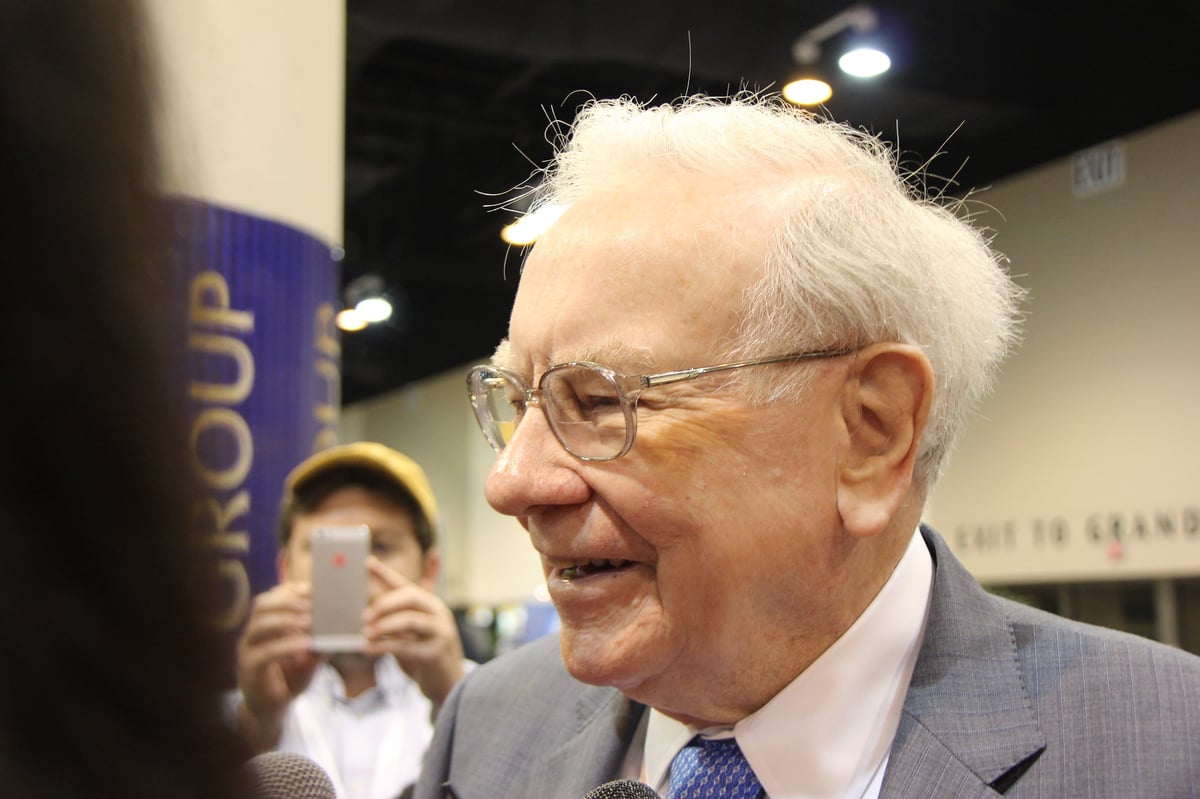
Berkshire-held Chevron, Coca‑Cola and UnitedHealth are highlighted as Buffett-backed, high-yield income plays: Chevron yields ~4.5% with 38 consecutive years of dividend increases, 5‑yr dividend CAGR ~6% and management targeting 3–6% annual buybacks; Coca‑Cola yields ~2.9% with a 63‑year dividend increase streak and a broad $1B+ brand portfolio; UnitedHealth yields ~2.7% and was opportunistically bought (~5 million shares) by Buffett after a 2025 sell‑off driven by higher Medicare Advantage medical costs, with management raising premiums to improve 2026 outlook. The piece frames these names as durable income generators supported by dividends, buybacks and expected operational recoveries, making them relevant for income-focused allocators albeit with company‑specific risks (energy price exposure, healthcare cost trends).
Market structure: Buffett’s tilt toward high-yield blue chips (CVX 4.5%, KO 2.9%, UNH 2.7%) signals incremental capital flows into energy, staples and select healthcare names, favoring cash-generative companies that can sustain dividends plus buybacks (CVX targeting 3–6% buybacks). Winners: integrated energy producers and resilient consumer staples that can convert improving cash flow into shareholder returns; losers: cyclical small caps and low-margin healthcare plans that can’t raise premiums. Cross-asset: stronger demand for dividend stocks should mildly tighten corporates vs. treasuries (push real yields lower), increase equity option implied vols on event-driven names (UNH) and keep USD stable through portfolio reallocation into US large caps.
Risk assessment: Tail risks include a >20% drop in oil (hurting CVX FCF and buybacks), adverse CMS rulings reducing Medicare Advantage margins (UNH downside of >15% EPS), or an accelerated Fed tightening that compresses valuation multiples. Immediate (days–weeks): volatility around earnings/Medicare rule updates; short-term (months): premium resets for UNH and crude price cycles; long-term (years): secular brand strength preserves KO cash conversion. Hidden dependencies: CVX’s “invisible dividends” are oil-price sensitive and vulnerable to demand shocks; UNH recovery hinges on realized premium increases and claim trends, not just guidance.
Trade implications: Direct longs in CVX (income + buyback optionality) and KO (defensive dividend compounder) with allocation sizes of 2–4% each; opportunistic long UNH (1–3%) if premiums are confirmed in Q4–Q1 2026. Pair trade: long UNH vs short a regional insurer or managed-care peer lacking pricing power to isolate MA pricing recovery (~12–18 month horizon). Options: sell covered calls on KO to enhance yield (3–6 month tenors) and buy 6–12 month UNH protective puts (10–15% OTM) around earnings windows.
Contrarian angles: Consensus underweights the risk that CVX’s buyback program stops if oil falls >30% — current pricing may underprice that tail; conversely UNH’s sell-off appears overdone if management executes premium hikes, implying asymmetric upside (20–30% over 12 months). Historical parallels: 2015–2016 oil-cycle rebounds rewarded integrated oil longs with buybacks; similarly, prior MA pricing normalization (post-2010) delivered multi-quarter EPS beats. Unintended consequence: chasing yield via covered-call overlays can cap upside into recovery rallies; prefer staggered entries and delta-hedged options to preserve optionality.
AI-powered research, real-time alerts, and portfolio analytics for institutional investors.
Request DemoOverall Sentiment
moderately positive
Sentiment Score
0.45
Ticker Sentiment
