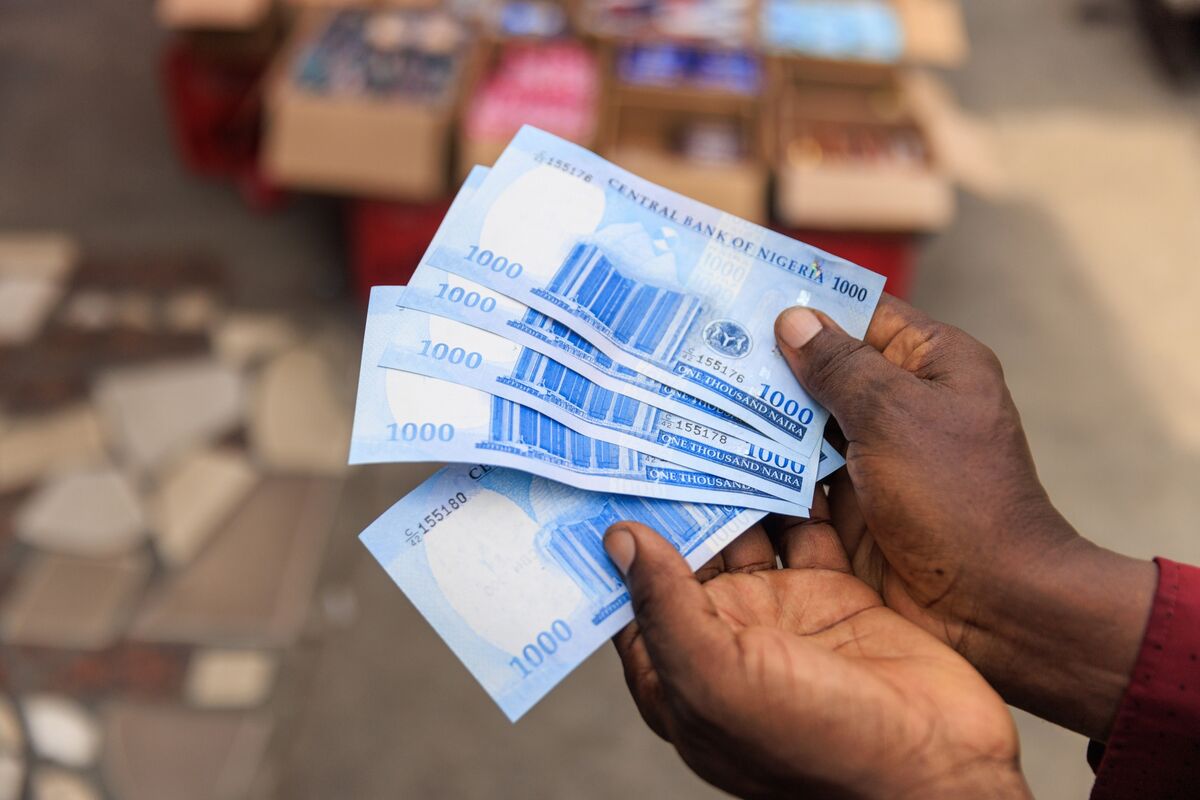
The Manufacturers Association of Nigeria reports that its members are facing penalties, including frozen accounts, from lenders due to unresolved forward foreign exchange contracts with the central bank, stemming from Nigeria's previous fixed-currency regime that was relaxed in 2023. The association describes the actions of the lenders as "harassment," highlighting ongoing financial strain on Nigerian manufacturers.
Nigerian manufacturers are reportedly facing significant duress from lenders due to unresolved forward foreign exchange contracts established with the central bank prior to the 2023 relaxation of Nigeria's fixed-currency regime. The Manufacturers Association of Nigeria has characterized the lenders' actions, which include imposing penalties such as freezing members' bank accounts, as "harassment." This situation underscores the persistent operational and financial challenges confronting the Nigerian manufacturing sector as it navigates the transition from the previous FX system. The impasse points to potential liquidity strains and credit risks for both manufacturers and the involved financial institutions, reflecting the complexities of unwinding legacy currency policies. The strongly negative sentiment (-0.65) associated with this development highlights the severity of the impact on the affected businesses and the broader pessimistic outlook regarding the resolution of these FX contract disputes.
AI-powered research, real-time alerts, and portfolio analytics for institutional investors.
Request DemoOverall Sentiment
strongly negative
Sentiment Score
-0.65
