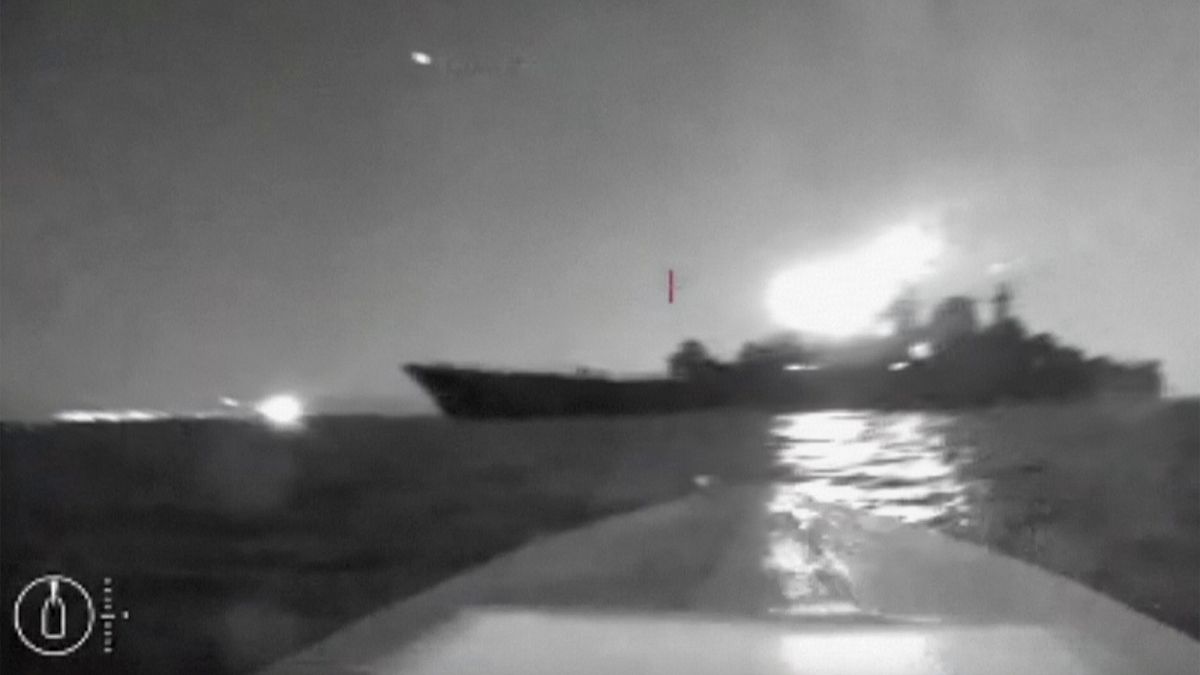
Ukrainian forces struck a Russian Black Sea oil terminal in Taman and a Pantsir-S1 air-defence system in occupied Crimea, damaging storage tanks, terminals and a warehouse and wounding two people, as Kyiv steps up long-range attacks aimed at denying Moscow oil export revenue. Concurrent Russian strikes have damaged Ukrainian power and water infrastructure, leaving over 1,600 buildings in Kyiv without heat and causing civilian casualties, ahead of US-brokered talks in Geneva; diplomatic negotiations remain uncertain with core disputes over security guarantees, Donbas territory and possible sanctions relief and asset unfreezing. The attacks raise near-term risk to regional energy flows and reinforce geopolitical uncertainty that could influence oil and energy markets and sanction-related policy outcomes.
Market structure: Persistent Ukrainian strikes on Black Sea terminals raise the near-term risk of seaborne Russian oil outages (~100–250 kbpd plausible if more terminals are interdicted), benefiting Brent/WTI (+$2–$8/bbl shock risk next 1–8 weeks) and LNG/heating fuel suppliers in Europe. Direct winners: US/EU defense primes (RTX, LMT, GD) and commodity producers (XOM, CVX, HES) that reprice for higher hydrocarbon realizations; losers: Russia-focused exporters, Black Sea shippers, and grid-dependent EU utilities facing margin squeeze from higher wholesale power and insurance costs.
Risk assessment: Tail risks include escalation that shutters Black Sea shipping or triggers EU secondary sanctions (oil spike +$10–$25/bbl; RUB crash; EM stress) within days–weeks. Near-term (days–weeks) expect volatility spikes and directional oil moves; medium term (3–12 months) markets may re-route flows (diversions to Asia) reducing the shock; long term (12+ months) policy-driven defense and energy-security spending likely sustains elevated revenues for defense and diversified energy suppliers. Hidden dependencies: P&I insurance availability, Turkish straits throughput limits, and grain export disruptions that could force central-bank reactions.
Trade implications: Tactical: 6–12 month overweight 1–2% positions in RTX (RTX) and LMT (LMT) to capture accelerated defense budgets; size 1–2% oil exposure via a 3-month Brent call spread (cost ~0.3–0.6% portfolio, strikes +5%/+20%) to exploit asymmetric upside. Pair trade: long XOM (XOM) 1–2% and short European utility RWE (RWE.DE) 1% to capture relative earnings revisions over 3–9 months. Hedging: buy 6–10 week VIX call or allocate 1% to GLD if oil > $95/bbl and rates repricing exceeds 25bps.
Contrarian angles: Consensus may overestimate permanent Russian export loss; logistics/rerouting could restore 300–700 kbpd within 3–6 months, meaning initial oil rallies may be overdone—favor short-duration option plays not big outright buys. Historical parallels (2019/2022 regional strikes) show spikes fade once alternate routes/pricing appear; unintended consequence of higher oil is faster ECB tightening that compresses European equities—so hedge equity cyclicals when taking energy/defense longs.
AI-powered research, real-time alerts, and portfolio analytics for institutional investors.
Request DemoOverall Sentiment
moderately negative
Sentiment Score
-0.50
