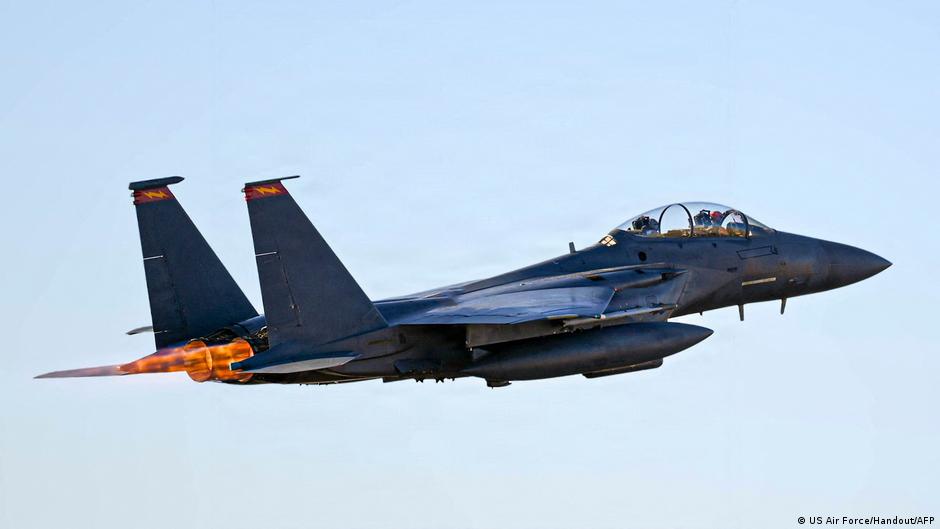
Key event: a US airman was rescued after an F-15E was downed over Iran amid intensive US-Iran combat operations, while Iran and allied forces have struck Gulf energy and government infrastructure. Roughly 20% of global oil and much gas traditionally transited the Strait of Hormuz, OPEC+ has penciled in a modest 206,000 bpd quota increase but major producers cannot materially raise output; oil recently traded near $120/bbl and JPMorgan warns prices could top $150/bbl if the strait remains closed through mid‑May. Severe or significant damage was reported at Kuwaiti and UAE energy/petrochemical sites, elevating global supply disruption risk and justifying a risk-off stance for portfolios sensitive to oil/EM and trade-route exposure.
This crisis is amplifying transmission friction in energy markets more than outright geological supply loss; the dominant near-term channel is logistics + insurance rather than production cuts. Rerouting crude and LNG away from the Gulf (longer voyages, more transits) and war-risk premiums on tankers and cargo insurance together can add a concrete marginal cost to physical barrels and cargos — think low-single-digit to low-double-digit $/bbl pressure on delivered costs across key trade lanes over the next 30–90 days, which widens incentives for spot sellers and tightens refinery feedstock availability in import-dependent regions.
Second-order winners are owners of seaborne transport capacity and shore-based storage (spot tanker owners, FSRU/temporary storage operators) plus defense primes whose backlog can be accelerated by urgent procurement; losers include asset-light refiners and integrated petrochemical players in the Gulf and nearby import-dependent refiners with thin feedstock optionality. Financial plumbing will also shift: Brent–WTI and regional naphtha/gasoil differentials are likely to widen materially (histor precedents show $5–$15/bbl swings) and create inversion opportunities for storage plays while straining trading desks that run tight VaR and carry-based crude storage strategies.
Risk/catalyst roadmap: days — operational shocks (new strikes, port closures, insurance notices) will move shipping rates and immediate spreads; weeks — inventory draws and OPEC+ messaging (real capacity vs quota) will set a new price baseline; months — if chokepoint disruption persists beyond 60–90 days, spare capacity limits make price jumps non-linear. Reversal triggers are clear: credible diplomatic corridors or a tactical reopening of transit lanes (likely via third-party naval/escort solutions or negotiated corridors) would compress insurance premia and compress spreads quickly, producing sharp negative returns for logistic/storage longs.
AI-powered research, real-time alerts, and portfolio analytics for institutional investors.
Request DemoOverall Sentiment
strongly negative
Sentiment Score
-0.70
Ticker Sentiment
