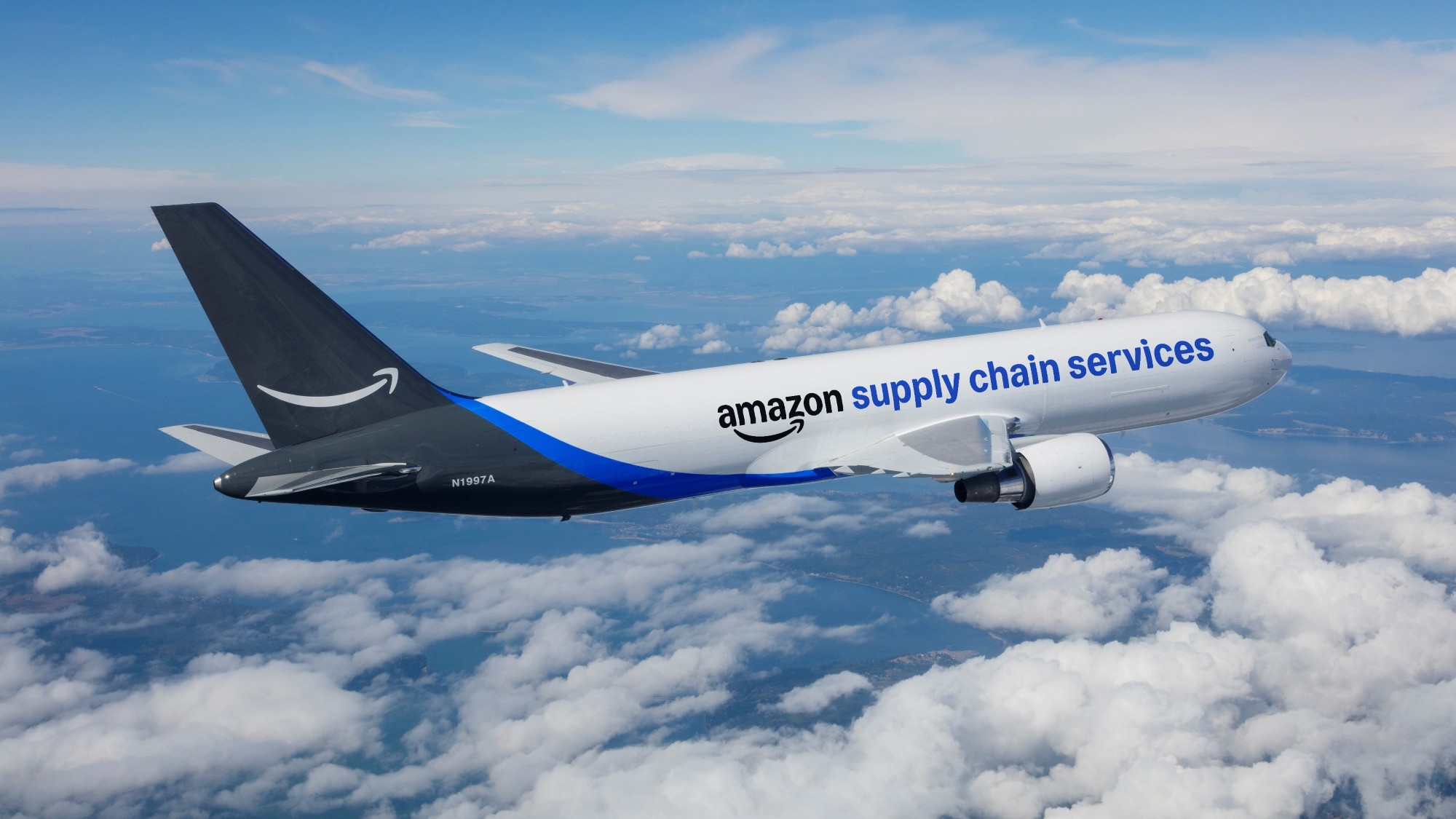
Amazon launched Amazon Supply Chain Services, opening its freight, distribution, fulfillment, and parcel shipping network to businesses beyond Amazon sellers. Early adopters include Procter & Gamble, 3M, Lands’ End, and American Eagle Outfitters, signaling broader commercialization of Amazon’s logistics infrastructure. The move is strategically positive for Amazon and could expand third-party logistics revenue, but the article is largely a product and partnership announcement rather than a near-term financial catalyst.
ASCS is strategically important because it turns Amazon’s logistics stack into an externalized platform, but the nearer-term equity impact is less about headline revenue and more about margin discipline and network monetization. The incremental economics should be attractive because Amazon is selling capacity it has already built, yet the bigger second-order effect is that it can smooth utilization across a sprawling fixed-cost network, which is especially valuable if retail demand softens. That creates a quasi-utility asset inside AMZN: higher asset turns, better lane density, and more bargaining power with shippers and carriers over time. For competitors, the pressure is asymmetric. Third-party logistics providers and parcel intermediaries face a tougher go-to-market if Amazon can bundle fulfillment, storage, customs, and last-mile with a single interface; the moat is not pricing alone, it is workflow integration and service reliability. The more important risk is that ASCS could reprice expectations across the logistics stack, forcing incumbents to respond with lower rates or more capex just to defend share, which can compress industry margins over a 6-18 month horizon. For the named customers, this is a supply chain resilience play disguised as an efficiency story. P&G and 3M can potentially reduce working capital tied up in transit and inventory buffers, while Lands’ End and AEO gain speed-to-customer and peak-season flexibility; the tradeoff is increased dependence on a single infrastructure provider, which becomes more valuable in stable periods and more problematic in disruption scenarios. The contrarian view is that investors may overestimate near-term adoption and underestimate integration friction, especially for multi-ERP, multi-region manufacturers where switching costs and control concerns slow rollout. The biggest upside surprise would be Amazon proving that this is not just a service line but a flywheel that increases network density and lowers unit costs across both retail and third-party logistics businesses.
AI-powered research, real-time alerts, and portfolio analytics for institutional investors.
Request DemoOverall Sentiment
moderately positive
Sentiment Score
0.58
Ticker Sentiment
