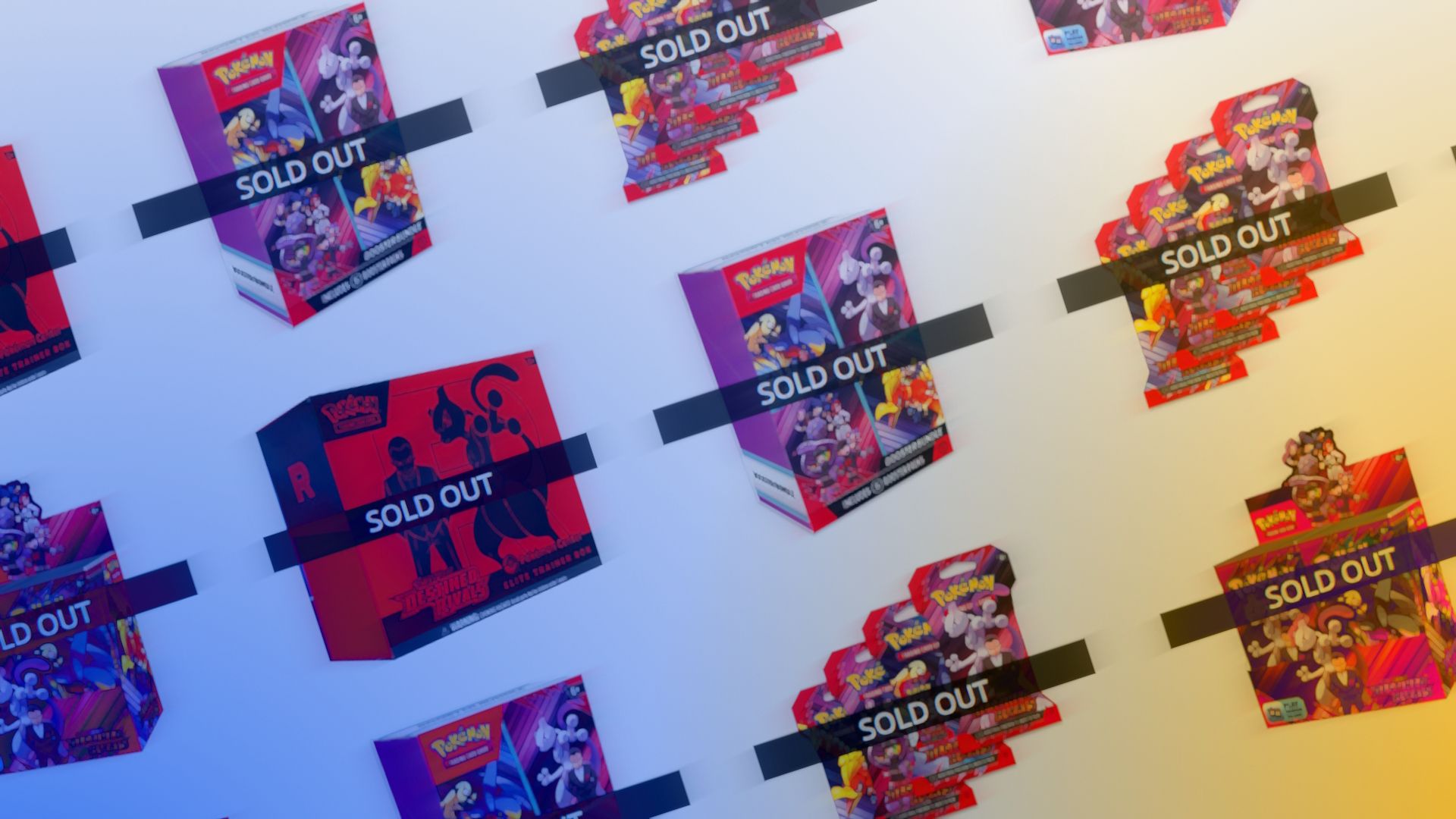
The Pokémon Company is acquiring US trading-card distributor Excell Brands to improve order fulfillment and customer experience amid persistent stock shortages for Pokémon TCG expansions. Excell services major US retailers including Amazon, Walmart and Target; no financial terms were disclosed and the deal is positioned as a strategic step to shore up distribution, though reseller behavior and unclear operational changes mean a material impact on availability or revenues is not guaranteed.
Market structure: Vertical integration by The Pokemon Company through Excell Brands shifts bargaining power toward the IP owner and its preferred retail partners (AMZN, WMT, TGT). Expect incremental share gains for major national retailers who rely on Excell; specialty resellers and inconsistent sellers (e.g., BBY) face relative inventory shortfalls and margin pressure. Short-term pricing power for Pokemon on secondary markets should erode as supply reliability improves, compressing aftermarket premiums by an estimated 20–40% over 3–6 months if restocking stabilizes.
Risk assessment: Tail risks include antitrust or exclusive-deal scrutiny in the US (low-prob ~5–10% but high impact) and integration/fulfillment failures that could worsen outages. Immediate risk window: next 30–90 days (integration hiccups); medium-term: 3–12 months (production scaling, supplier bottlenecks); long-term: 12+ months (structural shifts in TCG demand). Hidden dependencies: manufacturing capacity (card print, foil stamping), retailer inventory algorithms, and reseller behavior could blunt benefits.
Trade implications: Direct plays — modest overweight in WMT and TGT (target 3–5% position sizes) and tactical long exposure to AMZN (2–3%) as distribution stabilizes consumer electronics/toy categories; consider short or underweight BBY (1–2%). Options: buy 3–6 month call spreads on WMT (strike +5–10%) sized to risk budget and 1–2x put spreads on BBY to hedge. Entry window: establish in next 2 weeks, trim into positive inventory updates or retailer margin expansion; exits at 8–15% realized gains or 6–8% stop loss.
Contrarian angles: Consensus assumes supply fix equals demand surge; history (e.g., collectible toys) shows improved availability can reduce hype and secondary pricing, capping revenue upside. If Pokemon leans into exclusivity with select retailers, that could concentrate sales and invite regulatory scrutiny or alienate large reseller channels. Activation catalysts to watch: retailer inventory reports, Pokemon production guidance, and any FTC inquiries within 60–180 days.
AI-powered research, real-time alerts, and portfolio analytics for institutional investors.
Request DemoOverall Sentiment
mildly positive
Sentiment Score
0.25
Ticker Sentiment
