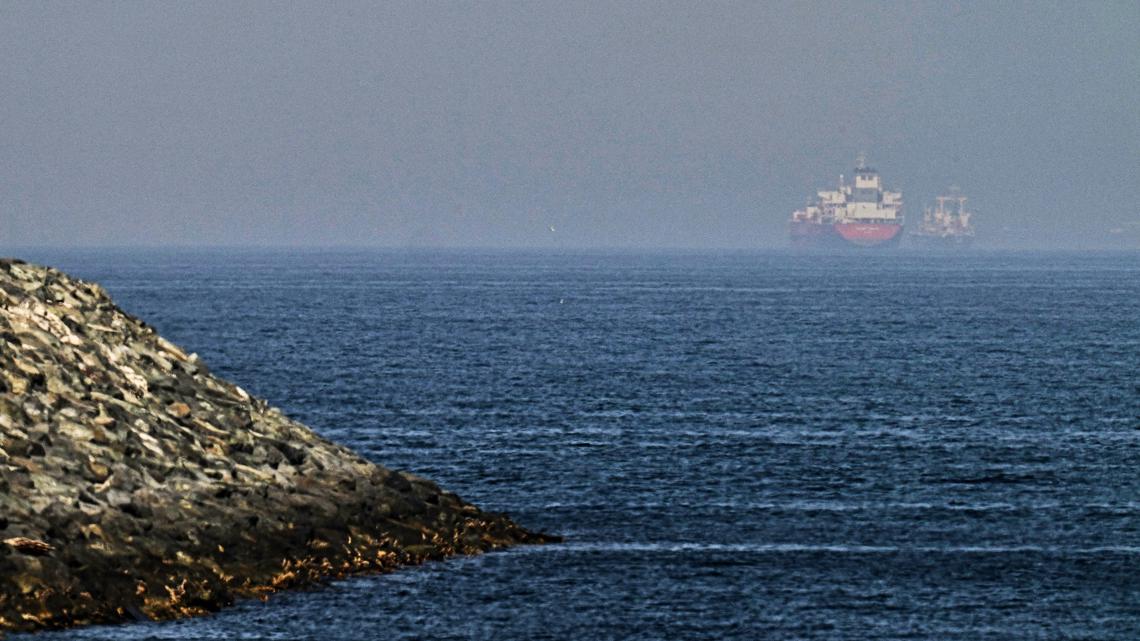
The U.S. launched “Project Freedom” to guide stranded commercial ships through the Strait of Hormuz, while warning that mines, attacks, and Iranian interference make the route extremely hazardous. The disruption affects roughly one-fifth of global oil flows and has already led U.S. Central Command to say 49 commercial ships were turned back, underscoring a major risk to energy prices and shipping. The standoff remains unresolved, with no U.S.-Iran negotiations underway and Tehran threatening any foreign military presence near the strait.
The market is underpricing the difference between a headline ceasefire and a functioning maritime corridor. Even if open conflict remains contained, a semi-closed Hormuz creates a persistent “tax” on seaborne trade: higher insurance, convoy delays, inventory build, and route inefficiency. That is bearish for industrials, chemicals, airlines, and global freight exposure, but it is also a slow-burn bullish setup for assets tied to energy scarcity and defense logistics rather than a simple one-day crude spike.
The second-order effect is that physical disruption can outlast the military phase by weeks to months, which matters more than the initial shock. If ships continue to be diverted or delayed, refiners in Asia and Europe will be forced to carry more crude and product inventory, widening time spreads and supporting front-month energy prices even if outright Brent fades from the panic peak. In parallel, Gulf exporters lose optionality while non-Gulf barrels with Atlantic Basin access gain relative value; that should help integrated producers with diversified export routes and midstream operators with spare capacity.
The biggest underappreciated loser is not just oil consumers but any business relying on just-in-time maritime inputs with thin working capital buffers. The combination of higher bunker costs, longer transit times, and insurance friction should pressure ocean carriers’ schedule integrity and raise spot rates selectively, but it is negative for volume-sensitive retailers and manufacturers before it is positive for logistics. Conversely, defense and maritime surveillance names can see a multi-quarter budget tailwind if governments treat this as a durable sea-lane security problem rather than a temporary flare-up.
The contrarian risk is that markets may be too quick to extrapolate a full shutdown of Hormuz when the more likely outcome is a messy partial reopening with sporadic incidents. If a credible escort regime takes hold, risk premia could compress sharply within days, while crude backwardation and freight spikes unwind faster than consensus expects. That makes the best expression not outright long oil beta, but relative-value and optionality trades that monetize elevated volatility without relying on a permanent supply shock.
AI-powered research, real-time alerts, and portfolio analytics for institutional investors.
Request DemoOverall Sentiment
strongly negative
Sentiment Score
-0.65
