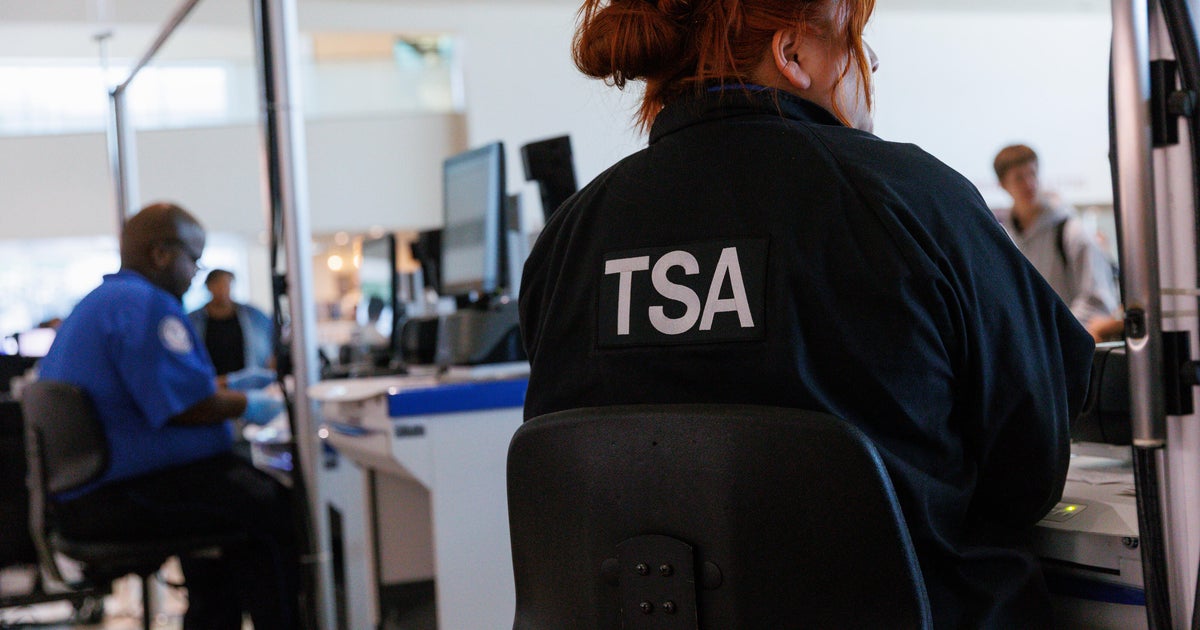
Nearly 12% TSA call-out rate and more than 500 agent resignations amid the partial government shutdown; DHS directed immediate payment and TSA officers are expected to begin receiving pay as early as Monday, March 30. Travel experts say security line wait times historically normalize within two days to two weeks after pay resumes, but sustained morale damage and the need to hire and train replacements imply lingering operational disruption and recruiting costs for airports and carriers.
Operationally, expect immediate knock-on effects to airline on-time performance via slower turnarounds, crew duty-hour cascades, and higher passenger reaccommodation costs — these amplify disproportionately at hub airports where a single screening chokepoint converts into systemic cancellations and crew swaps. Economically, per-peak-day incremental cost to carriers will come from both direct reaccommodation and indirect yield dilution (rebooked customers, goodwill credits); that cost is concentrated in legacy carriers with thin domestic margins and tight schedule banks.
Labor-market dynamics create a bifurcated timeline: a quick partial recovery is possible within days if absenteeism falls, but full normalization is determined by rehiring and training throughput — expect 6–12 weeks for replenishment if attrition climbs materially. That window creates a durable optionality for vendors of automation and outsourced screening (capex and services) as airports and DHS evaluate reducing frontline staffing brittleness.
Market catalysts to watch are not just payroll deposits but union responses, emergency overtime appropriation, and any fast-tracked approvals for private-screening pilots; any of these compress the disruption tail sharply. The main tail risk is a protracted political impasse that shifts the problem from a short-term operations issue to a multi-quarter structural cost (higher wages/overtime, accelerated automation spend) which would re-rate carriers and lift security-tech suppliers.
AI-powered research, real-time alerts, and portfolio analytics for institutional investors.
Overall Sentiment
mildly negative
Sentiment Score
-0.25
