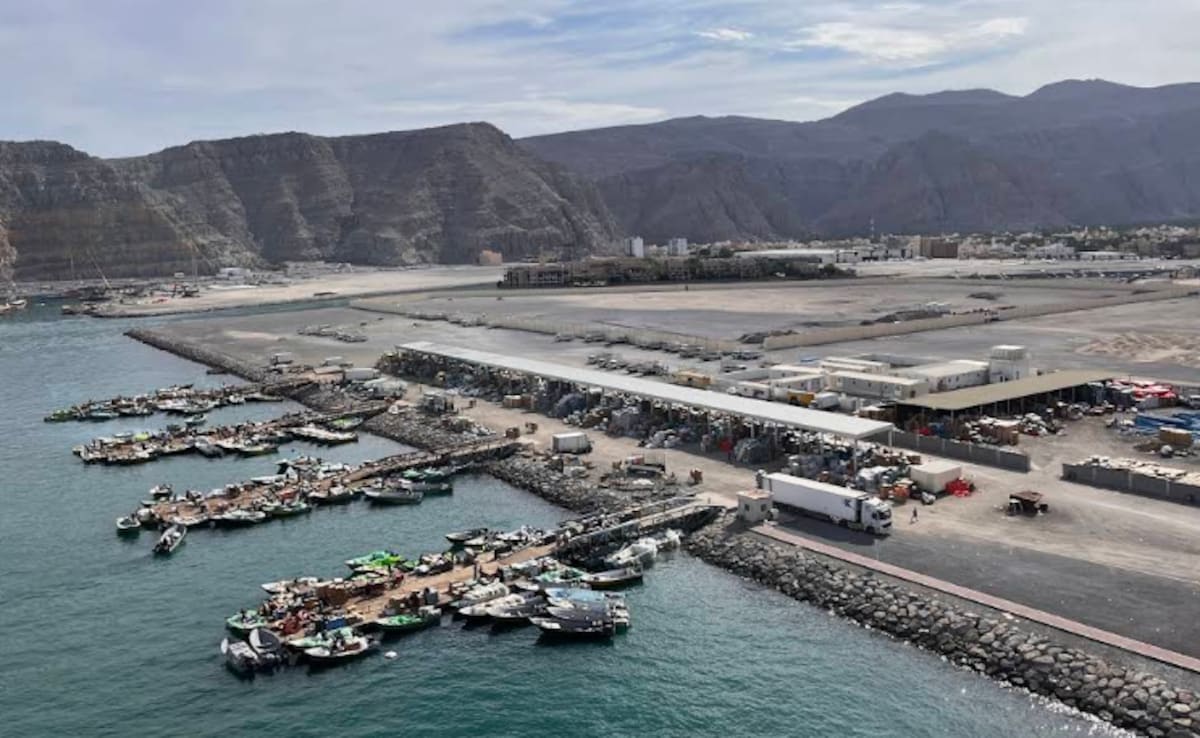
US forces struck hardened Iranian missile sites near the Strait of Hormuz using multiple 5,000‑lb deep penetrator bombs; Iran had closed the Strait, through which roughly 20% (one‑fifth) of global oil flows, triggering major maritime disruption and a global surge in energy prices. The munitions reportedly cost about $288,000 each and follow prior larger strikes using 30,000‑lb bombs; most US allies declined to join efforts to reopen the waterway. Expect upward pressure on oil prices, higher freight/insurance premiums and elevated market volatility while the conflict dynamic remains unresolved.
The chokepoint shock disproportionately taxes marginal barrels and maritime logistics: rerouting around southern Africa adds roughly 10–14 extra days per voyage and materially raises spot tanker time-charter economics, creating an immediate winner pool among large tanker owners and time-charter operators. Short-term freight rate dislocations will also widen working-capital needs for refiners and traders; expect contango to steepen as market participants choose floating storage over distressed selling for 30–90 days. Energy-price moves are likely front-loaded (days–weeks) with a plausible 5–15% swing on Brent in the near term if exports remain constrained, but medium-term (3–12 months) outcomes hinge on policy responses — SPR releases, OPEC incremental barrels, or a negotiated re-opening could erase spikes quickly. Inventory and arbitrage mechanics matter more than headline geopolitics: if contango persists, owners of storage and long-dated logistics capacity capture time-value; if backwardation returns, refiners and physical shorts benefit. Defense, insurance and security services see durable upside from higher baseline budgets and premiums; expect revisable procurement schedules over 12–36 months and elevated reinsurance pricing that compresses returns for cargo-heavy trade finance. The real second-order capital flow is strategic: accelerated commitments to US basin hydrocarbons, LNG destination flexibility, and insurance-backed supply-chain hedging — all of which reallocate capex over multiple years away from single-route reliance.
AI-powered research, real-time alerts, and portfolio analytics for institutional investors.
Overall Sentiment
strongly negative
Sentiment Score
-0.60
