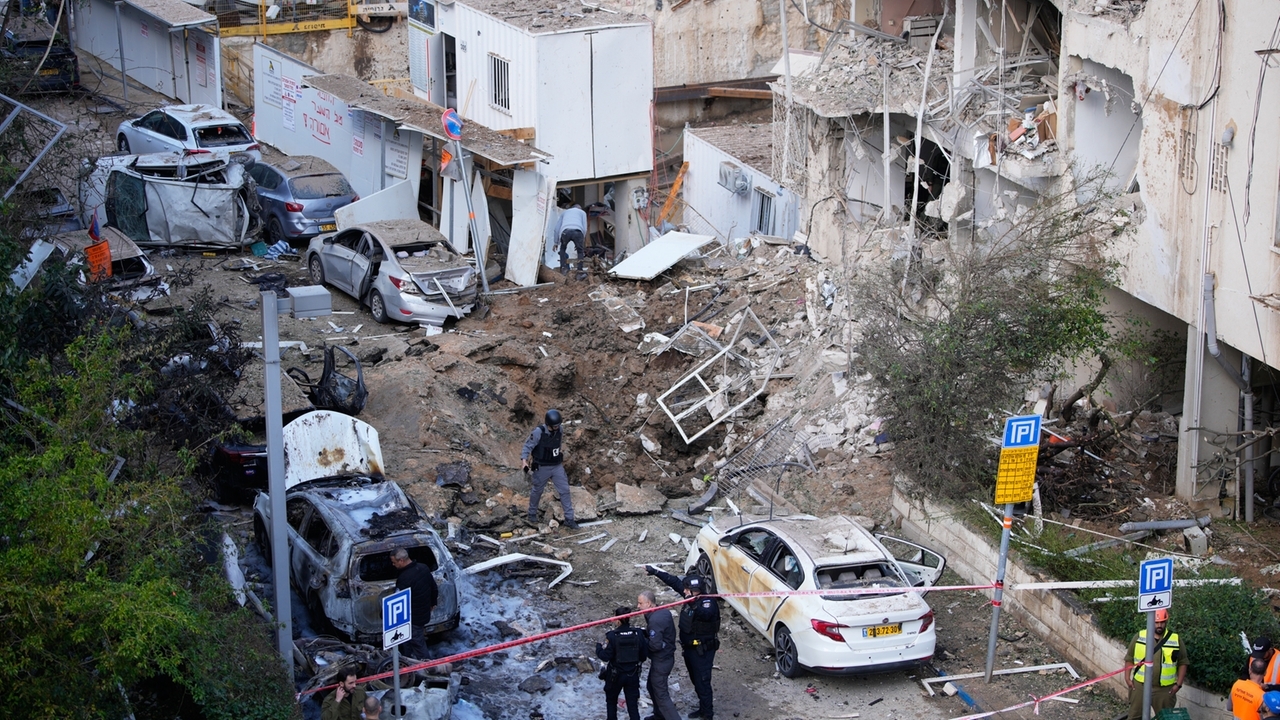
Casualties have surged (over 1,500 in Iran and more than 1,000 in Lebanon) as missile and drone strikes continue across Iran, Israel, Lebanon and the UAE, while diplomatic moves (U.S. delaying strikes five days and claiming talks) have not yet reduced fighting. Disruptions to the Strait of Hormuz—which handles roughly 20% of global oil shipments—damage to AWS data centers in Bahrain/UAE, and targeted attacks on shipping and fuel infrastructure have produced violent swings in oil and equity markets; Asian markets and crude briefly rebounded after the U.S. comments but energy supply-chain risk and market volatility remain elevated.
The immediate market reaction is pricing elevated volatility in energy and critical infrastructure risk premia rather than a sustained structural shock. Expect oil and LNG volatility to remain elevated over the next 4–12 weeks as commercial flows intermittently re-route and insurance/freight premia reprices; this amplifies downstream margin pressure for energy‑intensive industrials and import‑dependent Asian economies.
Cloud and edge infrastructure risk is now first‑order for enterprise IT budgets: regionally concentrated outages accelerate multi‑region redundancy demand and create a near‑term revenue/opex tradeoff for hyperscalers. That favors providers with deeper multi‑region footprints and low‑friction migration tools, while forcing others to raise capex for resiliency — a margin headwind for the next 2–6 quarters.
Defense and specialty insurance are asymmetric beneficiaries: defense spending and demand for missile/air‑defense systems can reprice supplier order books within 6–18 months, while marine/cargo insurers and P&I clubs will reprice coverage immediately, widening logistics spreads and freight‑forwarder margins. Conversely, exporters and EM importers face FX and balance‑of‑payments stress as commodity bills spike and shipping costs rise.
Catalysts that could reverse current pricing include credible, durable diplomatic de‑escalation (days–weeks) which would compress energy vol and reverse short‑term commodity hedging flows, or a wider contagion event that forces systemic shipping chokepoints to close (months). Investors should treat current moves as a regime‑shift opportunity to rebalance exposure to infrastructure fragility, not a one‑off headline trade.
AI-powered research, real-time alerts, and portfolio analytics for institutional investors.
Request DemoOverall Sentiment
strongly negative
Sentiment Score
-0.60
Ticker Sentiment
