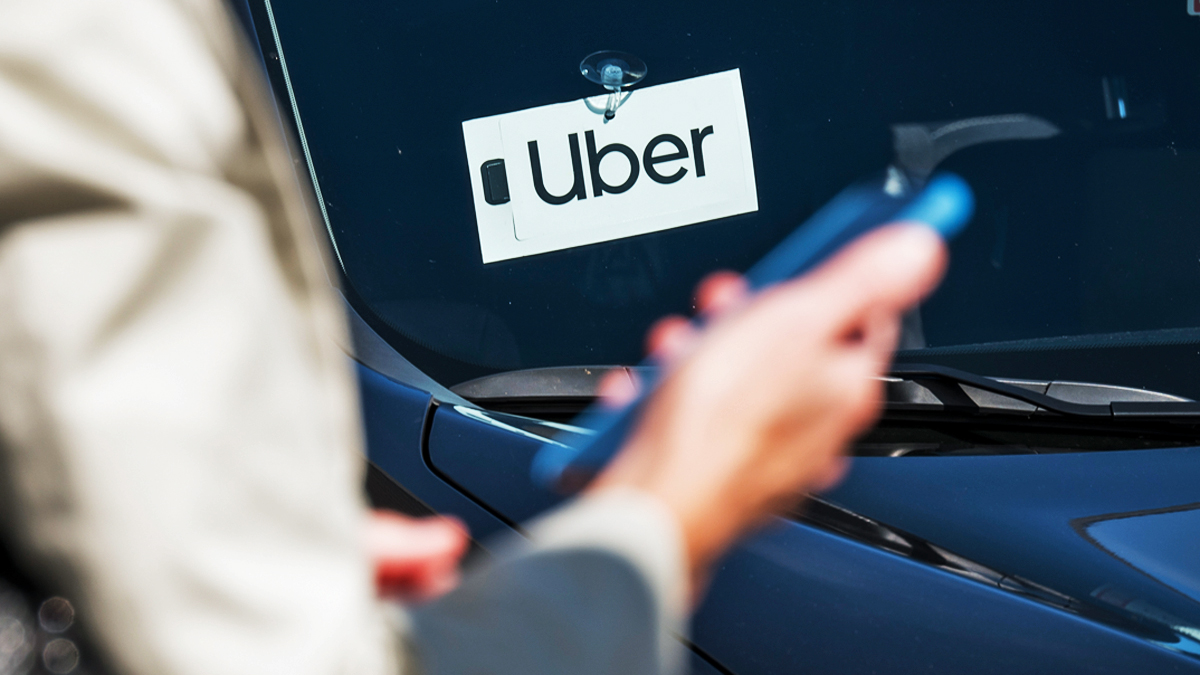
Average gas price in San Diego is $5.93, a $1.05 increase year-over-year. Rideshare drivers report needing to work ~12 hours instead of 8 to make comparable earnings and some are considering quitting as fares often fail to cover higher fuel costs. AAA says crude oil is at its highest in nearly two years and ~60% of the pump price is tied to crude, with recent spikes linked to Iran-related shipping disruptions through the Strait of Hormuz. Lyft announced a 60-day driver relief program (Mar 27–May 26) and Uber is offering incentives/promotions to help drivers.
Fuel-driven margin pressure is creating a short-term operational squeeze for platform economics: higher driver break-evens either force platforms to increase driver incentives or accept reduced supply and longer wait times. In the latter case, gross bookings can hold (or even rise) as riders pay more for fewer rides, but take-rate and reported margins will be volatile because of promotable incentives and temporary driver subsidies. Expect the most pronounced P&L stress to show up in next quarter results as incentive programs and marketing promos are recognized, and in subsequent quarters as driver churn crystallizes supply reductions and network effects kick in.
Competitive asymmetry matters: the more diversified operator with a larger delivery and international footprint can better absorb targeted driver subsidies while preserving marketplace liquidity, turning a localized fuel shock into a relative advantage. Smaller, ride-dependent competitors face a two-way squeeze—higher per-ride input costs and a weaker ability to spread driver-subsidy costs across adjacent businesses—so market share reallocation is a real possibility over 1–6 months. Policymakers and PR responses (local fare caps, mandated minimums, or temporary gasoline relief programs) are the highest-probability near-term catalysts that could reverse or amplify these dynamics.
Tactically, volatility should be traded as an event rather than a secular thesis: short-term repricing around oil/geopolitical headlines will create 1–3 day spikes, while structural repositioning requires watching driver supply metrics (acceptance rates, hours logged) lagging 4–12 weeks. A conservative playbook is to express views via correlation trades (ride-platform vs. oil/energy hedges) or asymmetric option structures to avoid being whipsawed by quick geopolitical reversals. The biggest contrarian risk is that sustained driver attrition ultimately tightens supply enough to restore platform take-rates, in which case current negative sentiment is overstating long-term damage.
AI-powered research, real-time alerts, and portfolio analytics for institutional investors.
Request DemoOverall Sentiment
mildly negative
Sentiment Score
-0.30
Ticker Sentiment
