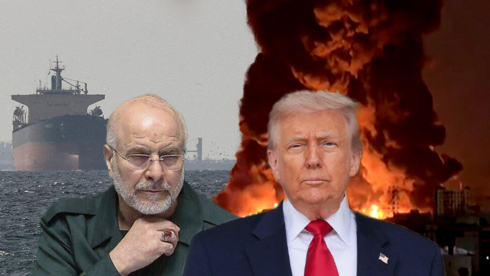
April 6 deadline set by President Trump for Iran to agree to a deal or face attacks on energy sites, with Trump warning there are 'about 3,000 targets left' after claiming 13,000 targets were bombed; indirect talks mediated by Pakistan are described as containing 'excessive and unreasonable' U.S. demands by Iran. Iran also refuses to withdraw its ambassador from Beirut after Lebanon declared him persona non grata, and Israeli comments highlight continued Iranian/Hezbollah influence in Lebanon — actions that materially raise the risk of disruptions to the Strait of Hormuz and near-term oil-market volatility.
Market participants are pricing elevated short-term risk around energy chokepoints and regional proxies; the immediate winners are operators of tanker capacity and owners of flexible crude storage while consumers and transport-intensive sectors (airlines, container shipping) are the obvious losers. A tactical rerouting of tankers and longer voyage legs typically inflates time-charter equivalents by double-digits within weeks, creating outsized cashflow for spot-oriented owners but raising refining feedstock costs and seasonal arbitrage squeezes.
The real second-order supply shock is logistical: insurers raise premiums, owners demand larger speed/route premiums, and longer cargo cycles pull incremental tonnage out of the West→East crude balance — that amplifies price moves beyond barrels physically out of market. Over months, this can shift refinery margins regionally (benefitting refineries with Atlantic access) and accelerate contractual hedging demand across producers and traders, embedding higher basis and option premia.
Tail risks include a kinetic strike on export infrastructure or an extended denial-of-transit episode; either would likely move front-month Brent by $10–$25 within days and push shipping rates into multi-week dislocation. De-escalation catalysts that would unwind premia are clear diplomatic signals or verifiable guarantees to keep transit open; absent that, expect persistent risk premia in energy and insurance for quarters. The consensus is focused on headline escalation probability, but underweights the persistence of logistics/insurance frictions that create profitable carry for specific asset owners and generate asymmetric downside for high fuel-exposure corporates.
AI-powered research, real-time alerts, and portfolio analytics for institutional investors.
Request DemoOverall Sentiment
strongly negative
Sentiment Score
-0.70
