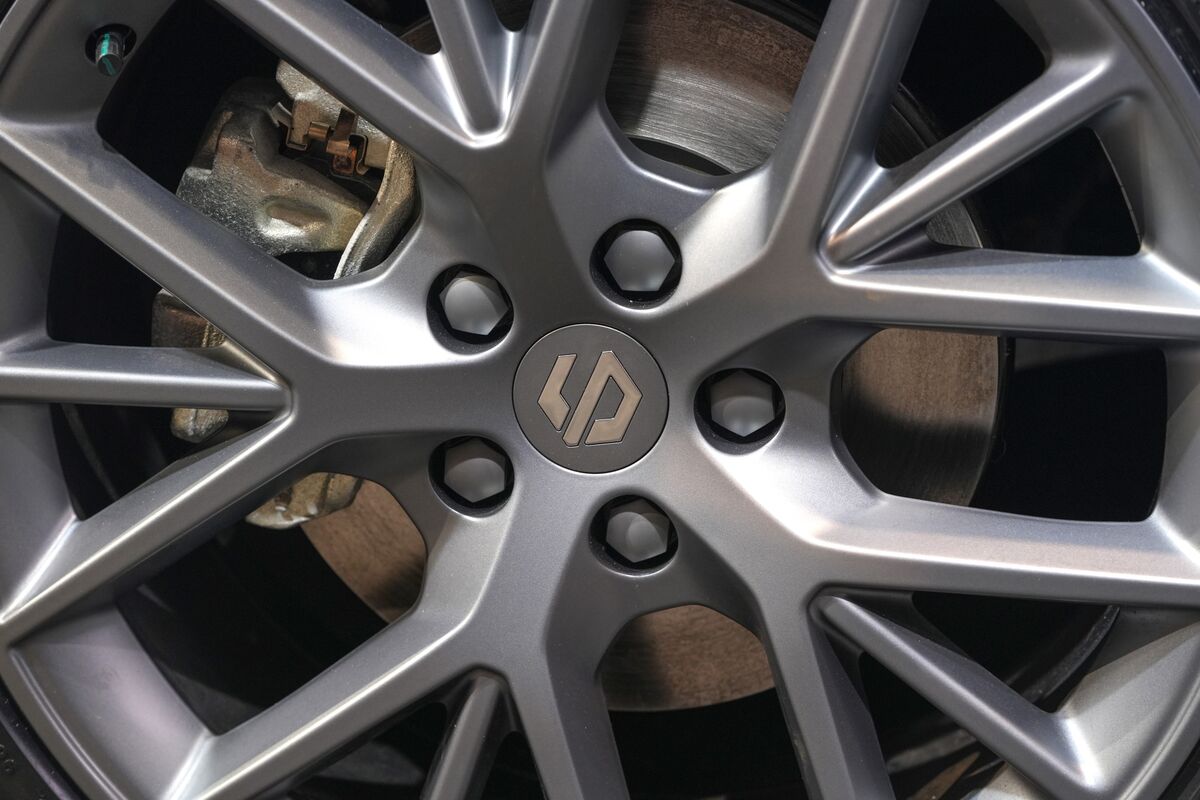
Stellantis plans to deepen its Leapmotor partnership by co-developing an Opel-branded electric model, shifting ownership of a Spain plant, and expanding joint purchasing. Engineers have already started work on a mid-size SUV to be built in Zaragoza, Spain, targeting competitors such as Volkswagen’s Tiguan and Hyundai’s Tucson. The announcement signals a broader EV and supply-chain collaboration with limited immediate market impact.
This is less a simple JV announcement than an option on Stellantis’ capital efficiency in Europe. By leaning on a China-linked platform and shared purchasing, STLA is effectively trying to compress product development cycles and de-risk the mid-cycle SUV pipeline without bearing full R&D and battery sourcing burden alone. The second-order benefit is margin protection: if they can localize enough of the bill of materials in Spain, they may offset some of the structural disadvantage versus pure-play EVs that have cleaner supply chains and lower complexity.
The competitive implication is more interesting for Volkswagen, Hyundai, and other compact/mid-size SUV incumbents than for direct EV peers. A credible Opel-branded entrant in a high-volume segment can force pricing discipline in Europe just as industry incentives normalize and consumers become more cost-sensitive. The bigger upside may actually be in procurement leverage: expanded joint buying can create small but durable gross margin lifts across multiple nameplates, which matters more than the headline EV launch if European volumes remain soft.
The main risk is execution and policy friction, not demand. Any perceived transfer of Chinese know-how into an EU production base could attract political scrutiny, labor pushback, or tariff-sensitive countermeasures, especially if Brussels tightens rules on subsidies or local content over the next 6-18 months. If the Spain plant shift turns into a messy restructuring, the market will reprice this from margin-accretive optionality to distraction and governance risk. In the near term, the stock likely responds favorably, but the durability of the move depends on whether this becomes a repeatable industrial model rather than a one-off partnership.
The consensus is likely underestimating how defensive this is for STLA relative to a pure EV narrative. This is not betting on EV adoption outpacing the market; it is betting on preserving relevance in Europe with lower capital intensity than a standalone platform strategy. If that works, the earnings multiple can rerate even without dramatic unit growth, because investors will pay up for free-cash-flow stability over heroic EV share gains.
AI-powered research, real-time alerts, and portfolio analytics for institutional investors.
Request DemoOverall Sentiment
mildly positive
Sentiment Score
0.25
Ticker Sentiment
