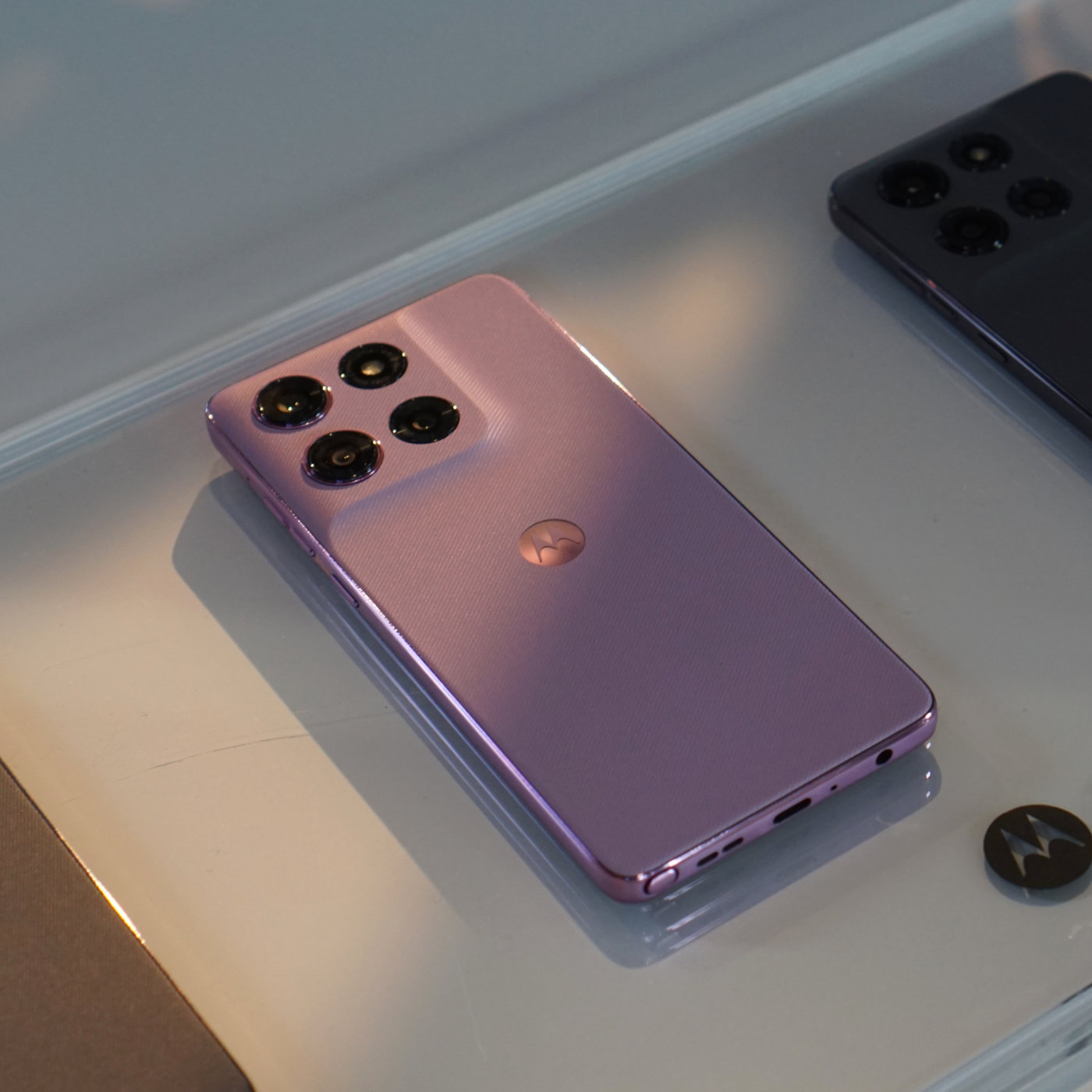
Moto announced the Moto G Stylus 2026 priced at $499.99 (up $100 vs the 2025 model) with an active stylus (tilt and pressure), 6.7" 120Hz OLED (up to 5,000 nits), Snapdragon 6 Gen 3, 8GB RAM, 128/256GB storage, 5,200mAh battery with 68W wired/15W wireless charging, IP68/69 and availability from April 16. The Moto Pad 2026 (available April 30 via T-Mobile/Metro) features an 11" 90Hz 2.5K display, Dimensity 6300, 8GB/128GB, 7,040mAh battery (claimed ~12 hours streaming) and 20W charging; carrier pricing is TBD. Overall this is a product-focused upgrade with modest price increase and likely limited market impact on the broader market or competitors.
Motorola’s pivot to a materially upgraded stylus in a mid-market handset is a classic example of feature migration: premium differentiation (pen input with tilt/pressure) is bleeding down into the volume tier. That compresses the premium OEMs’ ability to monetize pen functionality as a unique selling point and forces a choice—either re-elevate the S Pen experience or cede mainstream share to lower-priced competitors. For suppliers, this creates a two-speed demand profile: higher unit volumes for components that enable perceived premium (camera sensors, pen modules) but downward pressure on chipset ASPs as vendors stick to lower-mid silicon to control costs.
Qualcomm’s chipset placement choices suggest constrained supply / margin-conscious design wins in the midmarket, implying weaker ASP trends for mobile SoCs over the next 2–4 quarters; that’s a structural headwind to revenue per handset even if volumes hold. Conversely, camera-module suppliers that secure mainstream designs gain higher guaranteed volumes and a path to improve blended ASPs—these wins are more durable because camera upgrades drive marketing differentiation at scale. On the retail side, carrier and big-box bundling around mid-tier launches will front-load accessory and services attach but also make gross margins on the hardware more promotional-dependent in the next 1–2 quarters.
Key risks: rapid component deflation would reverse pricing tailwinds and undercut near-term supplier margin improvements; Samsung or other large OEMs restoring a superior stylus value proposition would blunt Motorola’s gains and re-centralize premium demand. Monitor next two quarters of supplier order books and carrier subsidy patterns—these are the fastest signals that the midmarket is structurally re-pricing.
AI-powered research, real-time alerts, and portfolio analytics for institutional investors.
Request DemoOverall Sentiment
neutral
Sentiment Score
0.05
Ticker Sentiment
