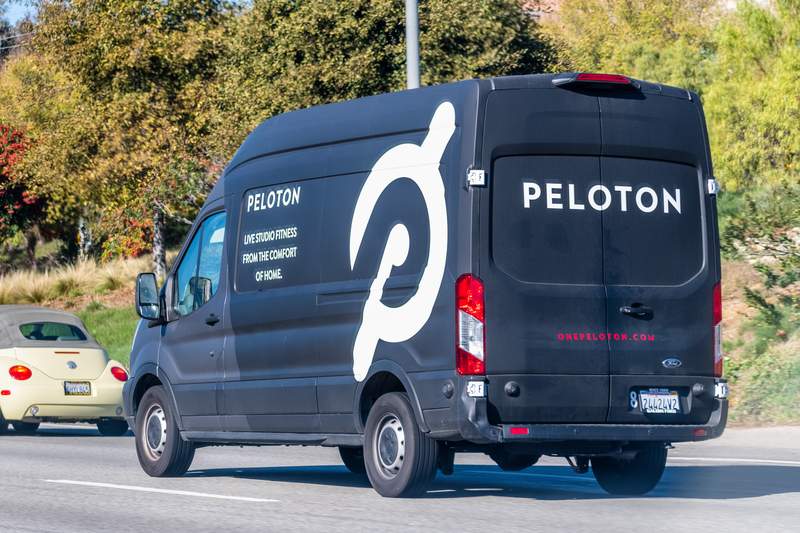
Peloton posted mixed Q3 results, but revenue beat expectations at $631 million versus $618.74 million consensus and adjusted EBITDA jumped 41% year over year to $126 million. Management raised fiscal 2026 revenue guidance to $2.42-$2.44 billion and lifted free cash flow target to about $350 million, while adjusted EPS missed by $0.01 at $0.06. The stock traded higher in premarket, reflecting investor focus on improving profitability and stronger guidance despite softer subscription trends.
The market is beginning to price Peloton less like a post-pandemic melting ice cube and more like a levered self-help story with operating leverage. The key second-order effect is not the modest revenue beat itself, but the combination of improving cash generation and a lower net debt load, which reduces the probability of a financing overhang and mechanically lowers equity duration risk. That matters because a company that can self-fund is no longer hostage to capital markets, and that typically compresses the discount rate investors apply to the equity.
The bigger read-through is competitive: strength in equipment suggests Peloton is still winning a premium niche rather than defending a collapsing base, which pressures lower-end connected fitness and aftermarket resale channels more than it pressures broad fitness peers. If management can keep monetizing the existing member base while stabilizing hardware demand, the next leg of upside is likely to come from margin mix, not unit growth, which makes the bear case increasingly dependent on an actual demand relapse rather than simply weak comps.
The contrarian risk is that the rally may be ahead of fundamentals. Subscription base erosion remains the structural issue, and a few quarters of cash flow improvement can mask a slower deterioration in engagement, churn, or hardware replacement cycles; if member trends slip again, the multiple can compress quickly because the market is paying for a turn, not a franchise. In that sense, the stock is more vulnerable over 1-2 quarters than over 1-2 years, since near-term guidance credibility is doing most of the valuation work.
The move looks potentially underdone if the company can sustain free cash flow around current levels through the next two quarters, because that would force systematic funds to re-rate it from distressed optionality toward a cash-generative consumer tech name. But if operating income quality is driven by temporary mix benefits or cost discipline rather than durable demand, the rally will fade fast; this is the kind of setup where the tape can keep squeezing shorts until the next membership print resolves the debate.
AI-powered research, real-time alerts, and portfolio analytics for institutional investors.
Request DemoOverall Sentiment
moderately positive
Sentiment Score
0.58
Ticker Sentiment
