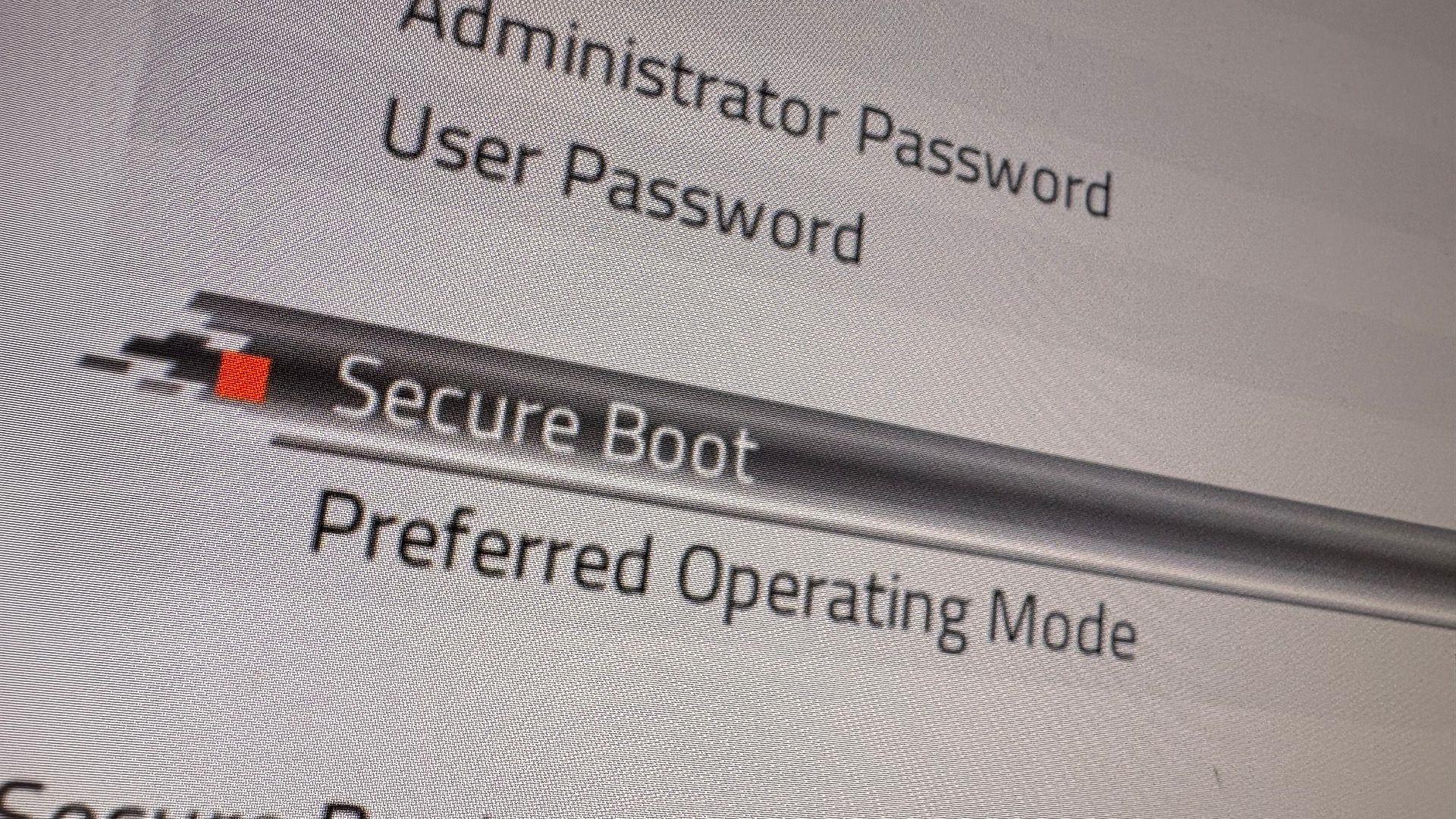
Microsoft is deploying update KB5074109 to replace expiring Secure Boot CA 2011 certificates with CA 2023 certificates ahead of a June expiry, delivering the replacements via Windows monthly updates while OEMs provide firmware updates as needed. The update aims to prevent Secure Boot validation failures that could affect firmware verification and game anti-cheat systems (e.g., Easy Anti-Cheat, Vanguard, Ricochet), though Microsoft says many PCs manufactured since 2024 already include the 2023 certificates. Operators should ensure systems are up to date to avoid operational/user-experience disruption, but the announcement carries minimal direct market or revenue implications.
Market structure: Microsoft (MSFT) is the clear operational winner — it controls distribution (KB5074109) and reduces systemic risk for Windows gaming; expect modest incremental stickiness rather than material revenue surprise (estimate <1–2% rev protection). OEMs (DELL) bear firmware QA/support costs short‑term but gain from fewer RMA/cheat-related incidents; game publishers/anti‑cheat vendors (RIOT, private EAC) face transient operational risk if rollout falters, risking days‑to‑weeks of user disruption and localized revenue loss.
Risk assessment: Tail risks include a failed global rollout or buggy update causing multi‑day game outages in June that could cost a top publisher low single‑digit percentage revenue in a quarter and spike reputational/legal scrutiny. Immediate watch: KB5074109 telemetry and Steam/Windows Secure Boot “True/False” uptake through May–June; short term (30–90 days) outage risk peaks around certificate expiry in June; long term (quarters) this standardizes UEFI certificate management and reduces recurring anti‑cheat friction.
Trade implications: Favor a modest long MSFT (1–2% portfolio) for operational dominance and liquidity; hedge with event protection on RIOT (ticker RIOT) via July 3–6 week puts 2.5–5% OTM sized 0.5–1% notional to limit downside if outages hit. Add a small long on DELL (0.5–1%) for services/firmware revenue; consider buying AMD (AMD) small call spread into Q3 (+0.5–1%) if Steam telemetry shows >5% QoQ uptick in PC hardware churn.
Contrarian angles: Consensus downplays legal/regulatory second‑order risks from anti‑cheat kernel drivers — a high‑profile outage could trigger accelerated regulation or class actions that materially hit smaller studios but not MSFT. If uptake metrics show >90% certificate replacement by June 15, outage risk is overdone and short RIOT protection should be trimmed; conversely, <75% uptake by June 10 is a trigger to increase hedges and consider shorting sentiment‑sensitive gaming names.
AI-powered research, real-time alerts, and portfolio analytics for institutional investors.
Request DemoOverall Sentiment
neutral
Sentiment Score
0.10
Ticker Sentiment
