

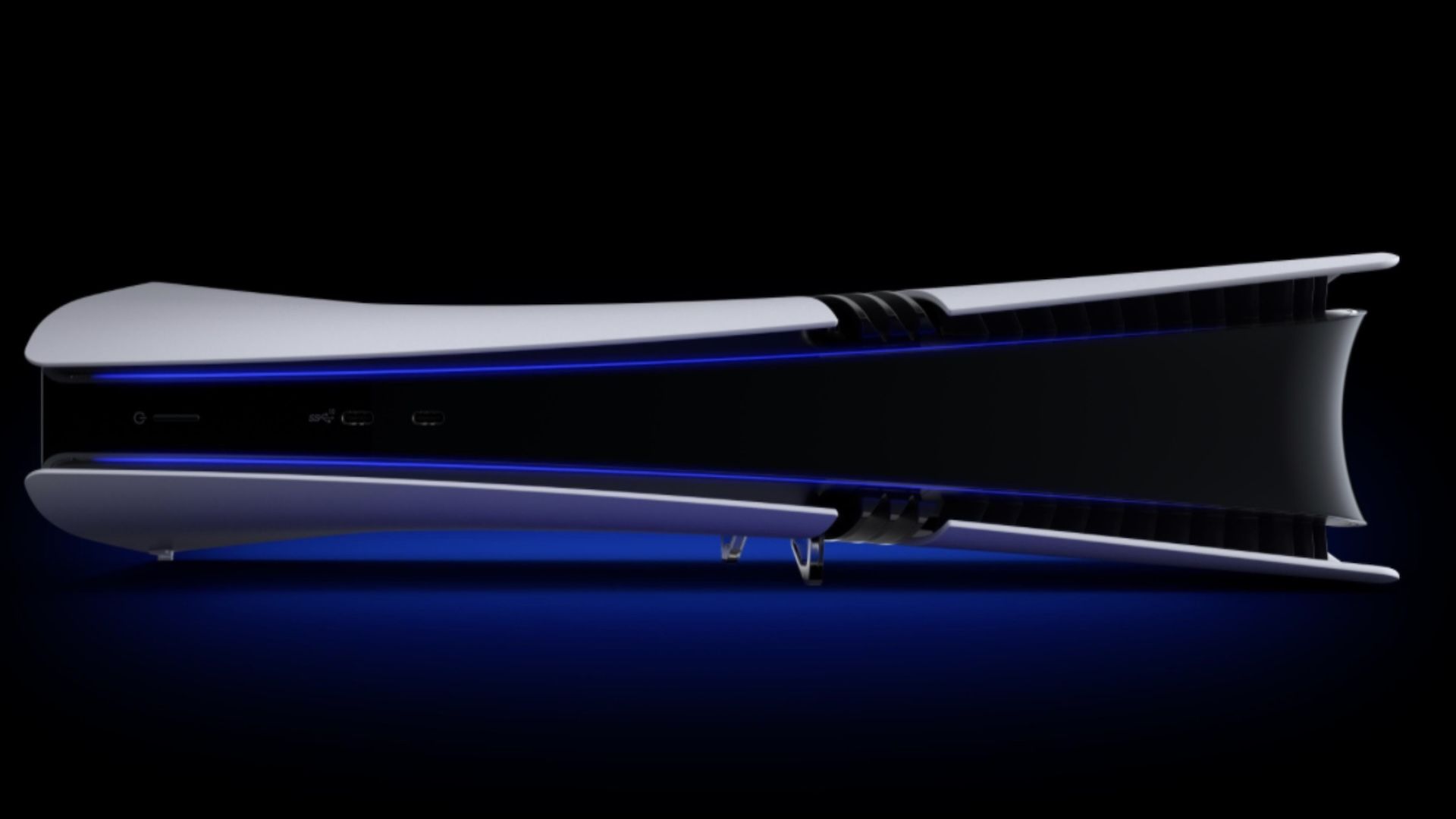
Sony is rumored to launch three PS6 devices in 2027: a PS6 S at $349-$549, a PS6 handheld at $499-$699, and a main PS6 console at $699-$999. The report is based on leaker Moore's Law is Dead and remains unconfirmed, though it suggests higher launch pricing than the PS5 family due to component costs, RAM shortages, and tariffs. The article is speculation rather than a firm company announcement, so likely market impact is limited.
The market implication is less about a single console launch and more about Sony attempting to re-segment the entire PlayStation ecosystem into a premium ladder. That typically helps lifetime value per user, but it also raises the bar for attach-rate execution: if the handheld becomes the entry price point, Sony must prove it can monetize software and subscriptions across three SKUs without cannibalizing the higher-margin base unit. The risk is that a widened price range turns the platform into a demand-elasticity test just as consumer hardware budgets are still constrained.
For AMD, the read-through is modestly positive but likely overestimated if investors assume an immediate cyclical bump. A dual-socket or multi-device design can improve design win visibility, yet the bigger lever is bargaining power around semi-custom silicon if Sony launches multiple differentiated devices at once. The second-order effect is supply allocation: if handheld and budget models share a chip family, Sony may prioritize volume over ASP, which can compress AMD’s per-unit economics even as unit demand rises.
The contrarian angle is that a pricier launch could actually expand the competitive opening for Nintendo and PC handheld ecosystems if Sony misprices the base console above consumer tolerance. A $700+ main console risks pushing value-conscious gamers toward existing consoles, used hardware, or incremental upgrades rather than day-one adoption. Over a 6-12 month horizon, the key catalyst is not the leak itself but whether Sony pre-commits to aggressive subscription bundling or financing, which would signal it is defending installed-base growth rather than maximizing launch margin.
Near term, this is mostly a sentiment setup, not a fundamental one. The tradeable signal will come from confirmation of chip sourcing, manufacturing partners, and pricing structure; without that, the biggest move may be in expectations rather than earnings revisions.
AI-powered research, real-time alerts, and portfolio analytics for institutional investors.
Request TrialOverall Sentiment
neutral
Sentiment Score
-0.05
Ticker Sentiment
