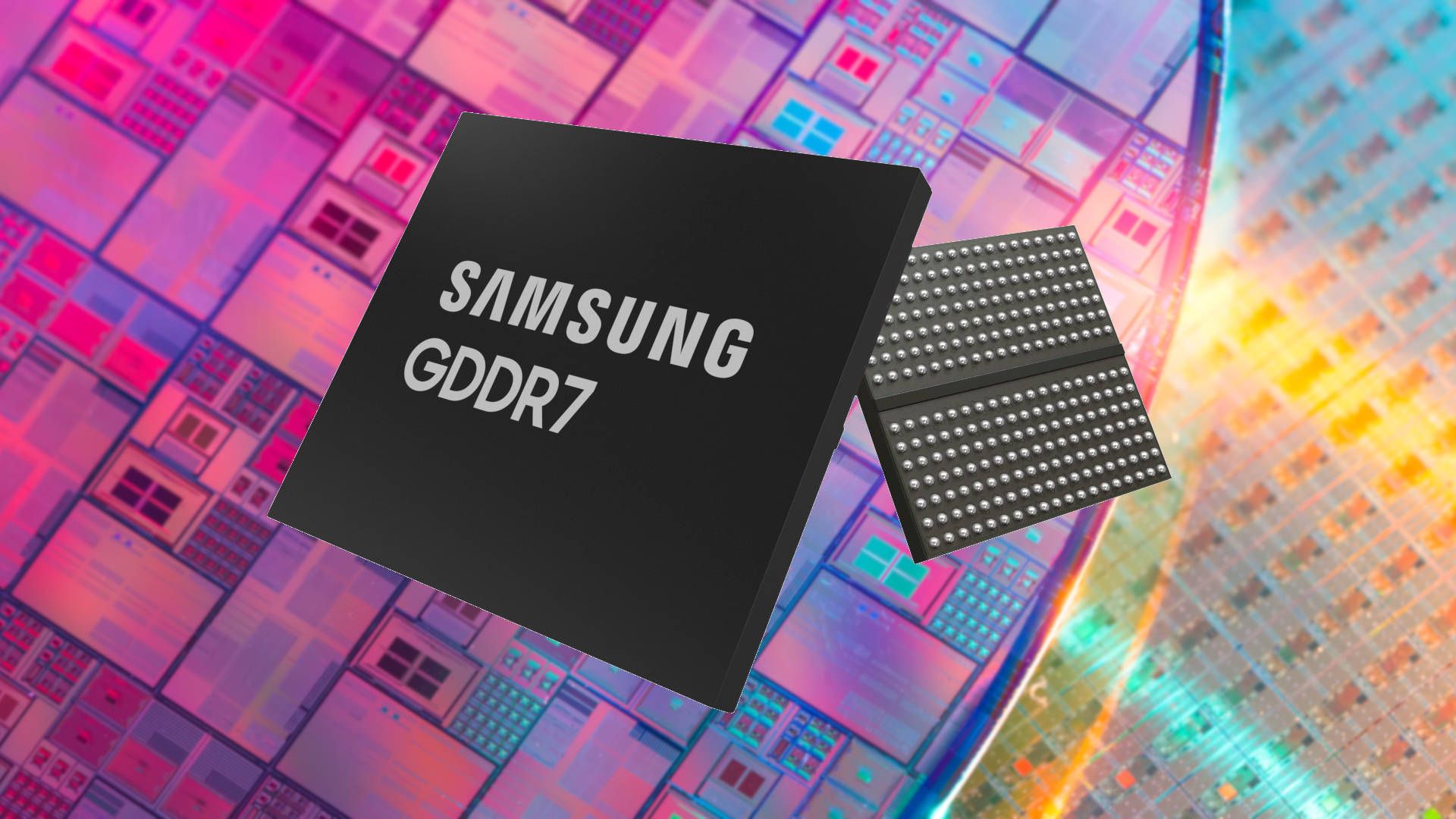
Sources report Nvidia plans to cut discrete gaming GPU production by 30–40% in H1 2026 versus H1 2025 due to DRAM/GDDR7 VRAM supply constraints. The company appears to be prioritizing higher-density 3 GB GDDR7 modules—used in expected RTX 50 Super SKUs and some RTX 5090 laptop parts—prompting early reductions in 16 GB desktop variants (RTX 5060 Ti and RTX 5070 Ti) while lower-end RTX 5050/5060/5070 inventory remains abundant. Samsung is cited as the primary 3 GB GDDR7 supplier, meaning order reallocation could create selective shortages and pricing divergence across the RTX 50 lineup rather than a broad market collapse.
Market structure: A planned 30–40% cut in discrete gaming GPU output in H1 2026 versus H1 2025 reallocates scarcity toward higher‑margin RTX 50 Super SKUs and 3GB GDDR7 buyers. Direct winners: GDDR7 suppliers (Samsung; MU—Micron) and rival GPU makers (AMD, INTC) that can fill mid‑range channel holes; losers: AIB partners and retailers sitting on excess 5050–5070 inventory and 16GB SKUs that use more modules. Expect Nvidia to trade volume for ASP/margin preservation, not pure share surrender.
Risk assessment: Immediate (days–weeks) risk: retail destocking and markdown pressure on lower tiers; short term (H1 2026) risk: prolonged GDDR7 shortages lifting memory prices >20%, pressuring OEM volumes; long term (2026+): capex response from memory suppliers could normalize prices, reversing beneficiaries. Tail risks include Nvidia changing packaging/contracting model (operational shock to AIBs), export/trade curbs on memory, or a demand collapse that forces >40% further cuts.
Trade implications: Favor memory suppliers and selective AMD exposure into H1 2026; NVDA exhibits asymmetric outcomes — volume down but ASPs up for Supers, so equity reaction could be muted. Use directional equity positions sized 1–3% of portfolio and options to express convexity around H1 2026 guidance (earnings/calls on memory tightness). Rotate modestly into semiconductor equipment names if DRAM capex accelerates (6–18 months).
Contrarian angles: Consensus focuses on NVDA downside but understates that supply rationing toward Supers preserves pricing and margins — downside may be capped if Nvidia prioritizes higher‑margin SKUs. Historical parallel: 2017–18 DRAM squeezes where memory suppliers reaped 30–100% price moves while OEM volumes lagged; unintended consequence here is a stronger used‑GPU market that can cap new card ASPs and favor AMD/Intel midrange share gains.
AI-powered research, real-time alerts, and portfolio analytics for institutional investors.
Request DemoOverall Sentiment
neutral
Sentiment Score
-0.10
Ticker Sentiment
