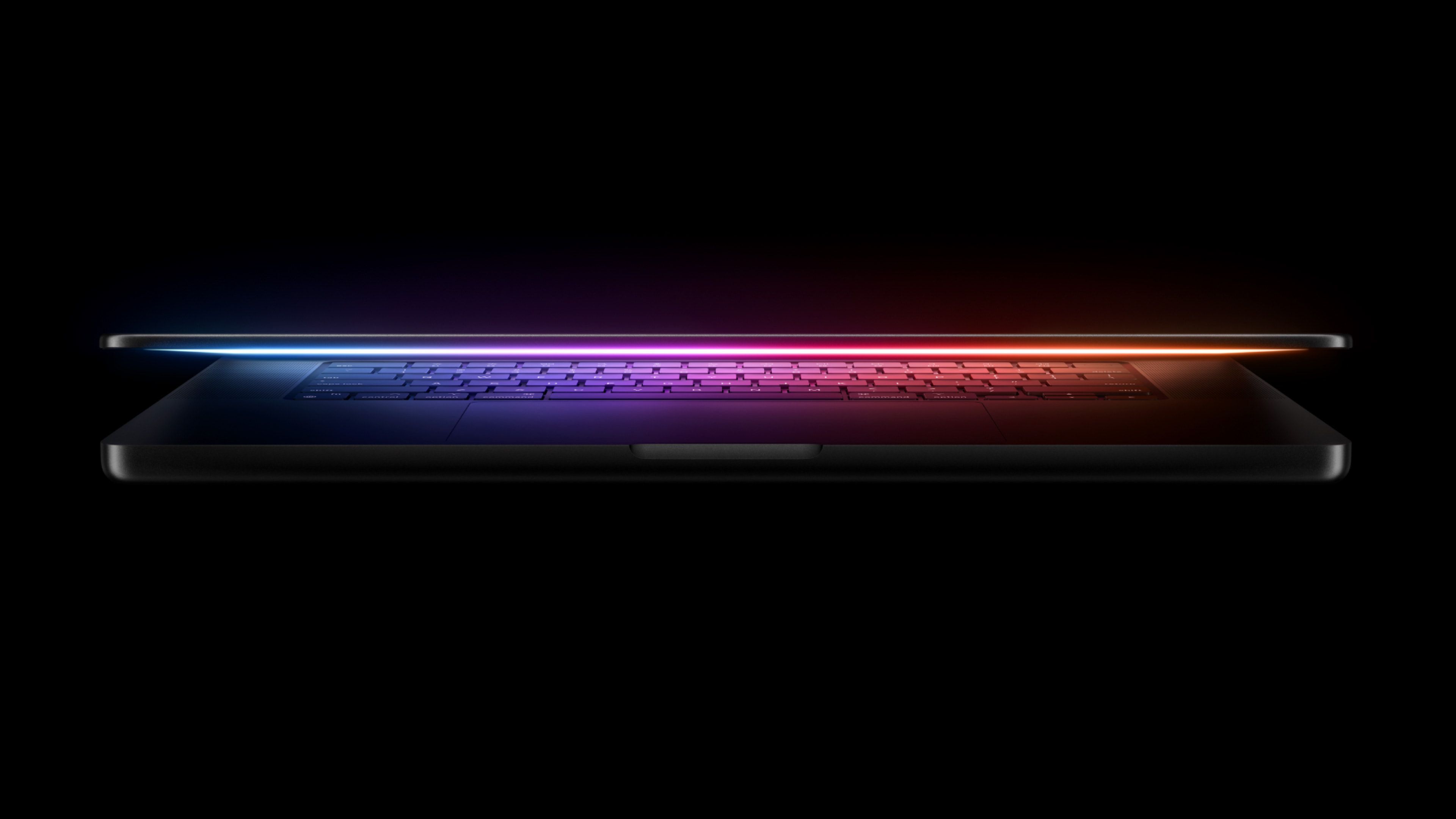
Apple is expected to transition several Mac and iPad lines to OLED displays over the 2026–2028 period, with reported timelines placing the iPad mini in 2026, MacBook Pro in late 2026 or 2027, iPad Air in 2027, a 24-inch iMac in 2027–2028, and MacBook Air in 2028 (sources: DigiTimes, Bloomberg’s Mark Gurman, The Elec). The shift to OLED—already used across current iPhone, Apple Watch and iPad Pro models—signals incremental product upgrades that could support higher component demand and benefit OLED panel suppliers, though the announcements are largely rumor-based and spread over multiple years so near-term market impact is limited.
Market structure: Apple (AAPL) and OLED value-chain beneficiaries (device OEMs, display-materials and equipment names) are the clear winners — OLED adoption across iPad/Mac lines 2026–2028 should support ASP and margin upside (estimate +100–300bps for upgraded SKUs if Apple charges a $100–200 premium). LCD-focused suppliers and low-price PC OEMs are losers as mix shifts; panel makers with constrained capacity could see ASPs rise 5–20% in tight scenarios. Cross-asset: expect positive flow into semicap equities (equipment suppliers) and a modest tightening in high-yield/IG spreads for tier-1 suppliers; limited near-term USD impact but EM FX of panel-producing countries could come under pressure if supply reallocation occurs.
Risk assessment: Tail risks include OLED yield shortfalls, a large-volume supplier failing (operational), or geo-export restrictions on advanced materials — any could delay adoption by 6–18 months and compress expected upside. Time horizons: immediate (days) — minimal; short-term (3–12 months) — supplier contract wins, ASP signals; long-term (2026–2028) — full product refresh cycle and margin realization. Hidden dependencies: LTPO/driver-IC supply, licensing (Universal Display), and yield curves; catalysts include supplier earnings, Apple supply agreements, and regulatory trade actions.
Trade implications: Direct plays — overweight AAPL and materials/equipment names tied to OLED capacity; consider options to capture 12–24 month convexity. Relative value — long Apple/Mac-focused premium vs short HPQ/DELL to express Mac share gains. Entry: scale 25% now, 50% by Q2 2026, remainder on supplier confirmations; exit on realized upside (AAPL +20% or supplier +40%) or drawdowns (-15% AAPL, -25% suppliers).
Contrarian angles: Consensus may underweight execution risk — OLED for laptops is harder (size, burn-in, yield) so adoption could be more staggered, preserving LCD economics longer and creating mispricings in small-cap suppliers. Historical parallel: iPhone OLED ramp created multi-year supplier winners (Universal Display) but only after a volatile supply cycle; unintended consequence — higher component costs could accelerate Apple’s vertical integration or licensing negotiations, compressing third-party supplier margins over time.
AI-powered research, real-time alerts, and portfolio analytics for institutional investors.
Request DemoOverall Sentiment
mildly positive
Sentiment Score
0.25
Ticker Sentiment
