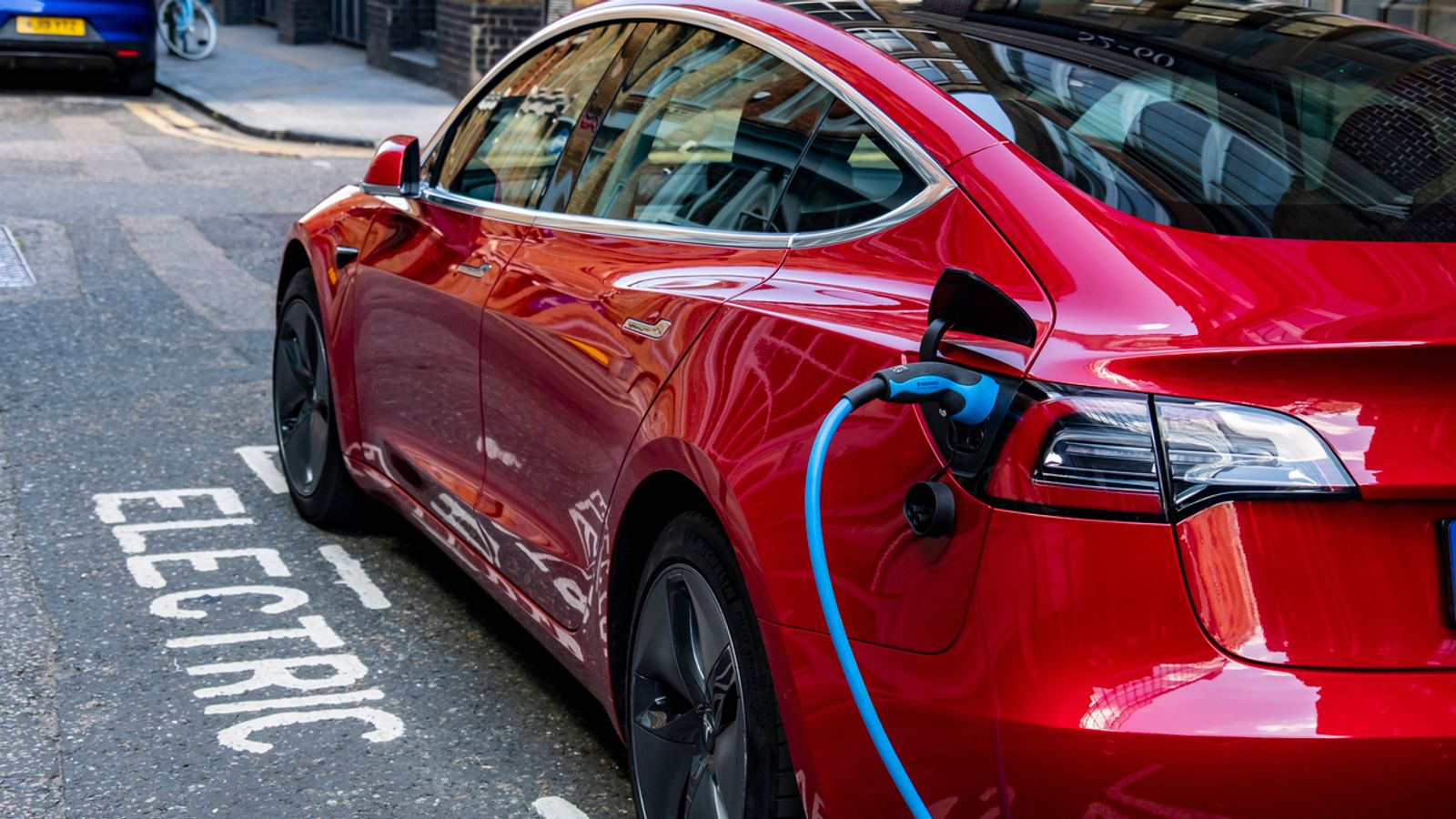
China's Ministry of Industry and Information Technology will ban hidden/flush door handles and require mechanical exterior and interior door releases (excluding boots), with rules on handle location, visibility and emergency operation. New vehicle models must comply from 1 January 2027 and approved models by 1 January 2029, a safety-driven response to EV accidents and reports of electronic door failures; the move follows related scrutiny such as a US NHTSA probe into Tesla controls. The regulation forces design changes for Tesla and Chinese EV makers and could create incremental compliance and retooling costs and timeline risk for product launches.
Market structure: China’s ban creates a modest shock to design-led EV makers (Tesla/TSLA most exposed) and a small demand boost to mechanical latch/handle suppliers and conventional OEMs that already use visible, mechanical releases. Incremental per-vehicle engineering and parts cost is likely low (tens–low hundreds USD) but the regulatory move raises asymmetric reputational/regulatory risk for brands that leaned on electronic closures.
Competitive dynamics & supply/demand: Share shifts are likely small but measurable — expect a potential single-digit volume hit to manufacturers with heavy China exposure if safety narratives persist over 12–24 months; suppliers of mechanical latches (Tier-1s) could see order flow accelerate with lead-times of weeks–months and modest margin tailwinds. Electronic actuator and software-control vendors face demand reallocation and possible write-down risk on China-targeted modules.
Cross-asset & tail risks: TSLA equity and implied volatility will be most sensitive near NHTSA/MIIT announcements; expect 1–3% intraday moves on headlines and 20–50bp widening in China-related credit spreads for higher-beta auto credits if escalation occurs. Tail scenarios (low-probability) include mass retrofit mandates or cross-border regulatory copycats that could trigger 10–20% equity re-rating on affected pure-play EVs.
Actionable implications: This is a policy-driven supplier rotation with a clear timeline (new models from 1‑Jan‑2027, approved models by 1‑Jan‑2029) — engineering and procurement cycles give 12–36 months to play suppliers vs OEMs. Watch for supplier contract wins and NHTSA filings as execution catalysts; mispricing exists in short-tenor TSLA option markets vs longer-dated fundamental risk.
AI-powered research, real-time alerts, and portfolio analytics for institutional investors.
Request DemoOverall Sentiment
mildly negative
Sentiment Score
-0.25
Ticker Sentiment
