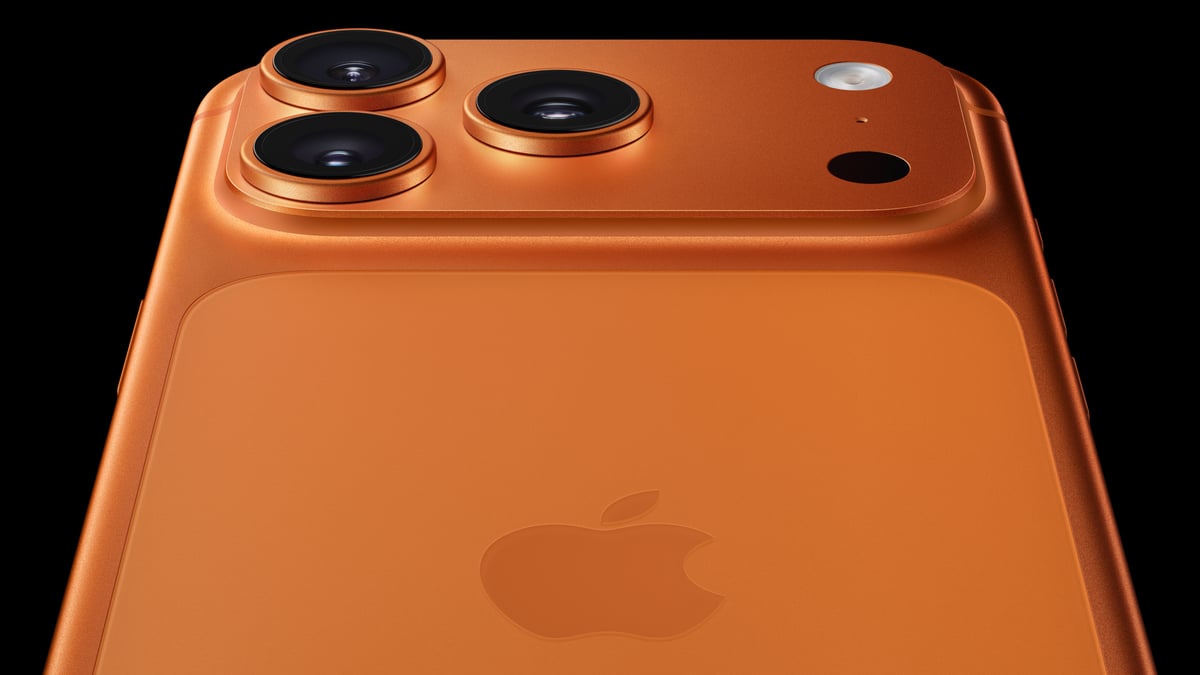
Apple's fiscal 2025 revenue rose about 6% year-over-year to roughly $416 billion (from $391 billion) while EPS increased 23% YoY. Management guided first-quarter fiscal 2026 revenue growth of roughly 10–12%, citing double-digit iPhone revenue growth and services growth similar to the 13.5% recorded in fiscal 2025; the company reports more than 2.35 billion active devices. Apple spent modestly on capex ($12.7 billion in fiscal 2025) versus peers aggressively building AI infrastructure, and the firm’s AI initiatives (including a Siri overhaul) and a strong services business are cited as potential catalysts for device upgrades despite a forward P/E near 34.
Market structure: Apple is the prime beneficiary — accelerating iPhone sell‑through and AI-enabled services upsell strengthen pricing power across hardware and subscriptions, levering a 2.35bn+ active device base to lift ARPU and recurring revenue. Hardware suppliers (TSMC, Broadcom, OLED suppliers) see demand upside; heavy-capex AI plays (META, GOOGL) are relatively disadvantaged if Apple monetizes features without cloud scale spending. Expect tighter component demand into the holiday quarter and upward pressure on semi orders; USD strength and higher equity volatility likely to reprice tech risk premia.
Risk assessment: Low‑probability, high‑impact tail risks include regulatory actions on AI or App Store economics, a major supply‑chain disruption in H2 2025–H1 2026, or an AI feature rollout that fails adoption — any of which could trigger a >20% drawdown. Near term (days–weeks) watch sell‑through and channel checks; medium term (3–6 months) watch Q1 FY26 results and Siri/AI announcements; long term (12–36 months) key is services monetization and new product categories. Hidden dependency: services growth is levered to device upgrade cadence and China demand; a >5ppt miss in iPhone rev growth would be material.
Trade implications: Tactical: establish a 2–3% long AAPL position now and scale to 4–5% on an 8–12% pullback or if iPhone sell‑through beats consensus by >5%. Buy a 9–12 month AAPL bull call spread (buy ATM, sell 25% OTM) to cap premium; alternatively sell a cash‑secured put spread 10% below spot to acquire stock cheaper. Relative: long AAPL / short META (or GOOGL) 1–2% to capture capex dispersion and margin divergence; trim GOOGL/META exposure by 25% and rotate into AAPL and select semi suppliers.
Contrarian angles: Consensus assumes AI is an unalloyed positive — miss risk is underappreciated if Apple’s Siri overhaul is delayed or developers don’t monetize quickly; valuation (forward P/E ~34) already bakes strong execution. Similar to past ‘late‑cycle iPhone’ rebounds, upside can be binary: if services growth stays >10% and iPhone revs grow double digits, multiple can re‑rate to 40+; conversely a 5ppt guidance miss could compress multiple to mid‑20s. Define stop/triggers: reduce AAPL by half if services growth <8% yoy or iPhone rev guidance misses by >5ppt on release.
AI-powered research, real-time alerts, and portfolio analytics for institutional investors.
Request DemoOverall Sentiment
moderately positive
Sentiment Score
0.55
Ticker Sentiment
