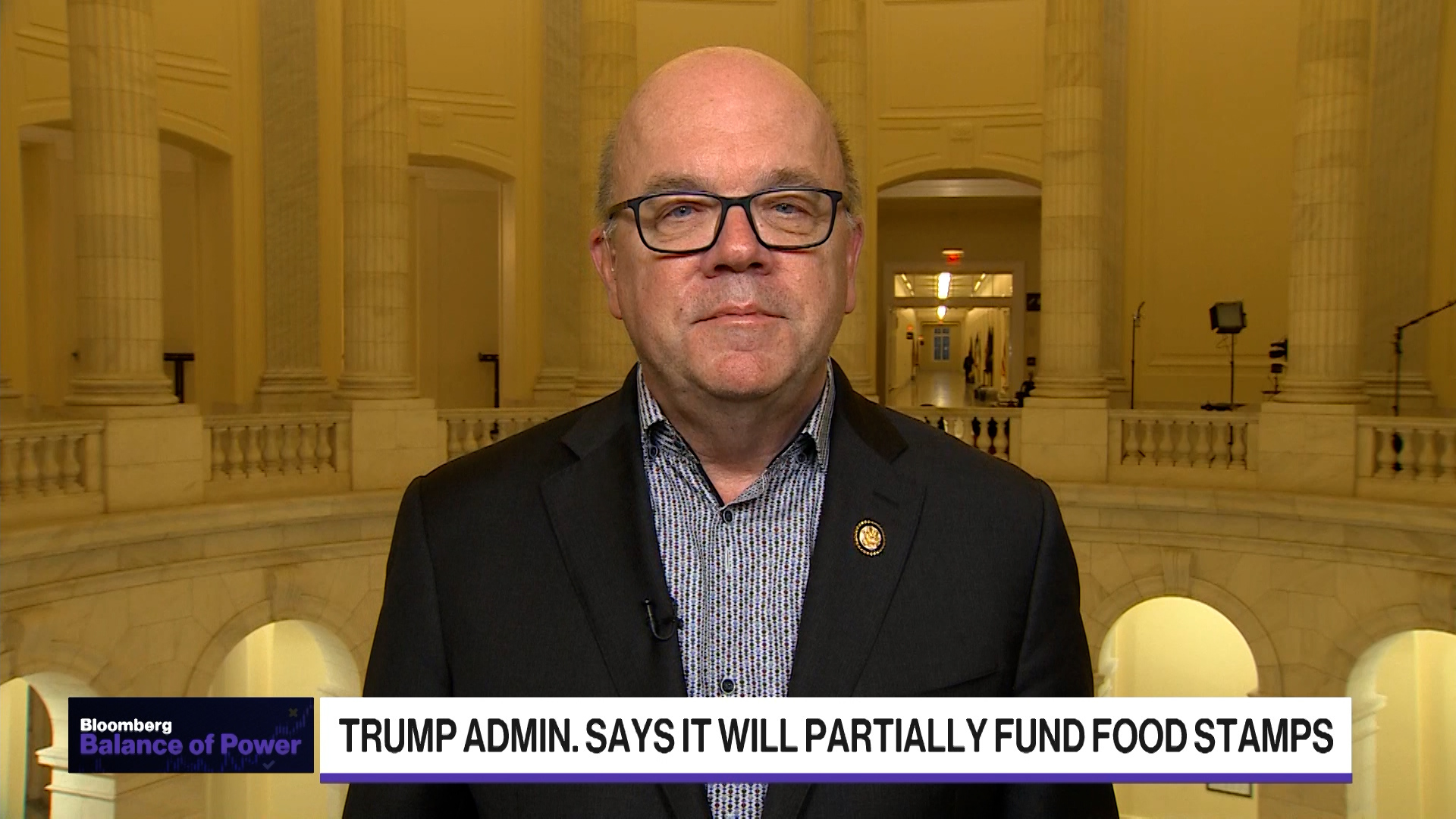
Federal Reserve official Brainard indicated that current labor data does not support a December interest rate cut, signaling a potentially sustained hawkish stance on monetary policy. Concurrently, the White House announced it would partially fund the Supplemental Nutrition Assistance Program (SNAP) for November, a decision with implications for consumer spending and government social programs.
Federal Reserve official Brainard indicated that current labor data does not support an interest rate cut in December, reinforcing a hawkish monetary policy stance. This suggests the Fed is prepared to maintain higher rates for longer, prioritizing inflation control over immediate economic stimulus. The absence of a near-term rate cut could sustain elevated borrowing costs across the economy.
Concurrently, the White House announced only partial funding for the Supplemental Nutrition Assistance Program (SNAP) for November. This fiscal decision could directly impact consumer spending, particularly among lower-income demographics. Reduced social safety net support may lead to a contraction in discretionary spending for a significant segment of the population.
The confluence of a sustained hawkish monetary policy and potentially constrained consumer spending due to reduced fiscal support presents a moderately negative outlook for the broader market. This environment suggests tighter financial conditions and potential headwinds for consumer-dependent sectors. The overall market impact is assessed as moderate, with a prevailing hawkish tone.
AI-powered research, real-time alerts, and portfolio analytics for institutional investors.
Request DemoOverall Sentiment
moderately negative
Sentiment Score
-0.40
