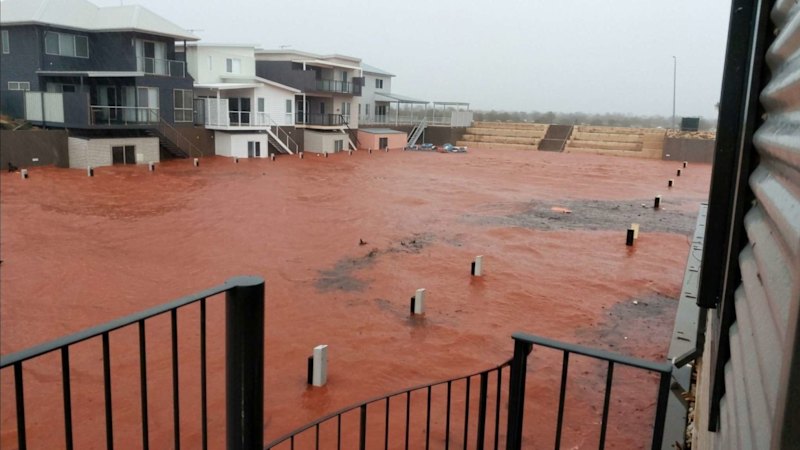
Ex-Tropical Cyclone Narelle dumped more than 350 mm of rain across Exmouth and Carnarvon, prompting flood watch/act warnings, evacuation orders for low-lying areas along the Gascoyne River and warnings for the Lyndon-Minilya and Wooramel catchments. Key transport links (Great Northern Highway, North West Coastal Highway, Indian Ocean Drive) are closed and the airport is mostly closed, while relief payments of $1,000–$4,000 and evacuation centres have been mobilised — these developments pose localized disruption to transport, access and short-term economic activity in the region.
This event creates a compressed timeline of demand: immediate (days–weeks) for emergency fuel, accommodation and short-haul logistics; near-term (weeks–months) for road/bridge remediation; and medium-term (1–2 years) for resilient rebuild and flood-mitigation capital projects. That staging means different sectors will sequentially capture value — fuel retailers and local logistics in the first 1–4 weeks, civil contractors and materials suppliers in the 1–12 month window, and insurers/reinsurers across the next 1–4 quarters as claims crystallize and pricing cycles adjust.
Second-order supply-chain effects matter more than headline damage. With major coastal roads closed, freight will reroute via longer inland corridors or shift from road-to-sea/air, raising spot trucking and fuel rates and causing transient unloading congestion at regional ports; expect localized diesel margins to widen by a noticeable percent for 1–3 weeks and trucking utilisation to spike until roads reopen. Mining and offshore service firms that rely on the same regional logistics nodes can see 1–4 week operational delays — this is a skewed downside for resource services versus construction peers who gain backlog.
Tail risks and reversal catalysts are asymmetric. A heavier-than-expected secondary rain event or slow receding waters could extend closures from weeks into months, broadening insured losses and creating supply bottlenecks; conversely, a fast dry-down and rapid allocation of emergency federal/state funds (announcements usually within 2–6 weeks) would front-load contractor revenue and compress the insurance hit into a single quarter. Monitor three near-term indicators daily: road reopening bulletins, regional fuel margins and announced emergency contract tenders; these will drive where cash flows shift over the next 90 days.
From a positioning perspective, this is not a pure catastrophe trade—size positions to anticipate chunky, front-loaded revenue for on-the-ground service providers and short-duration operational dislocations for logistics/air travel. Hedging should be time-boxed: protect against a 4–12 week operational drag while maintaining exposure to a 6–12 month rebuild cycle where margins are materially better and political will favours rapid spend.
AI-powered research, real-time alerts, and portfolio analytics for institutional investors.
Request DemoOverall Sentiment
mildly negative
Sentiment Score
-0.30
