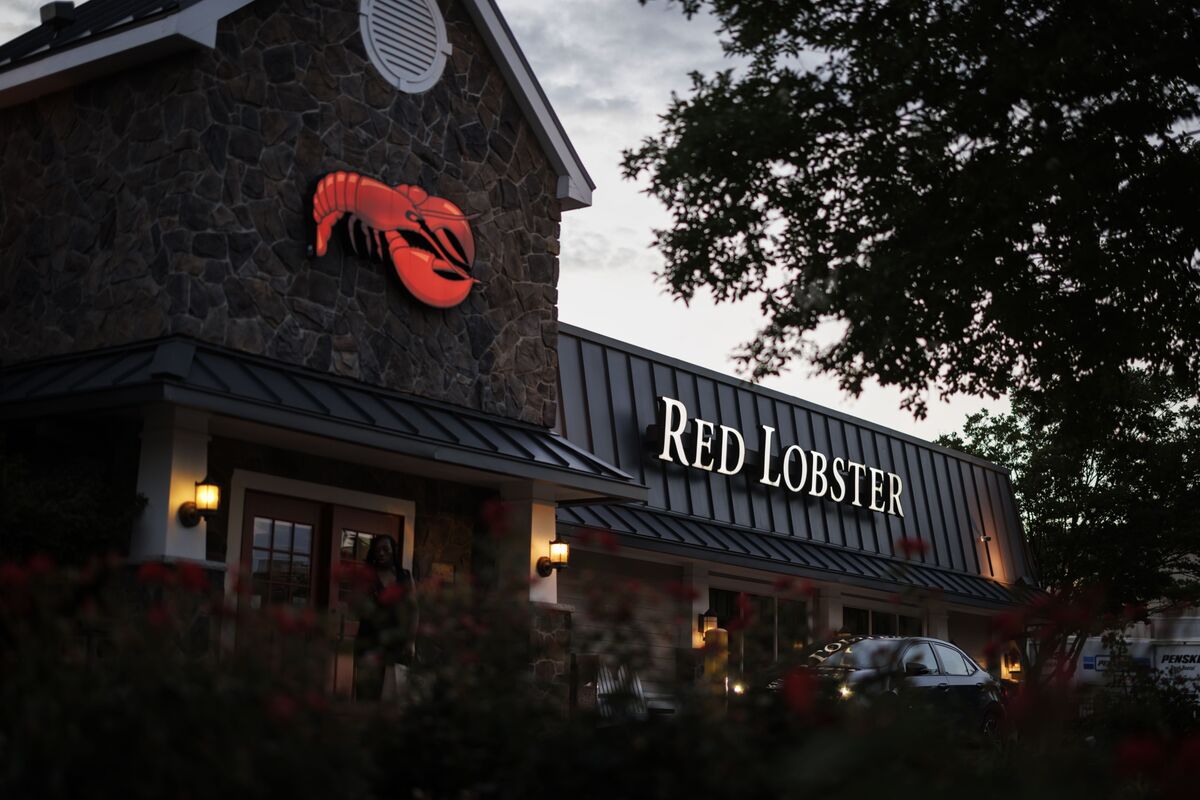
A previously unreported lawsuit alleges Red Lobster’s $20 Endless Shrimp promotion was part of a scheme by then-owner Thai Union to extract value from the chain, rather than a misguided marketing offer. The suit, brought for creditors owed about $295 million at the time of Red Lobster’s 2024 bankruptcy filing, seeks a jury trial and monetary damages. The allegations add legal and governance risk around the bankruptcy and could increase liabilities for Thai Union and involved executives.
This is less a restaurant-story headline than a governance and creditor-rights case that increases the probability of value transfer being litigated back from sponsors/owners in distressed consumer deals. The second-order effect is that private owners of highly leveraged or operationally stretched brands may face tighter scrutiny on related-party transactions, which can slow exit velocity and raise expected legal costs across the sector. For competitors, the immediate beneficiary is not a direct chain rival so much as better-governed multi-unit operators and franchisors that can emphasize clean alignment with lenders and franchisees. The key timing issue is that litigation overhangs usually matter twice: first when discovery surfaces internal governance weakness, and again if a settlement or judgment forces replenishment of the estate. That can extend the bankruptcy process by months to years and reduce recoveries for unsecureds, while also limiting the sponsor’s flexibility to recycle capital into new deals. In consumer and retail, the broader signal is that promotional aggressiveness is now being re-interpreted as potential extraction, which should widen the discount rate applied to turnaround stories backed by financial engineering rather than brand health. Consensus may underappreciate how rarely these cases end with a clean headline victory for defendants once documents show incentive misalignment. The overdone view would be to dismiss this as backward-looking noise; in practice, it can impair future financing terms for similar assets and make lenders more selective on covenant packages and sponsor behavior. The real market impact is on the cost of capital for “fixable” consumer names with messy ownership histories, not just on one bankrupt chain.
AI-powered research, real-time alerts, and portfolio analytics for institutional investors.
Overall Sentiment
strongly negative
Sentiment Score
-0.80
