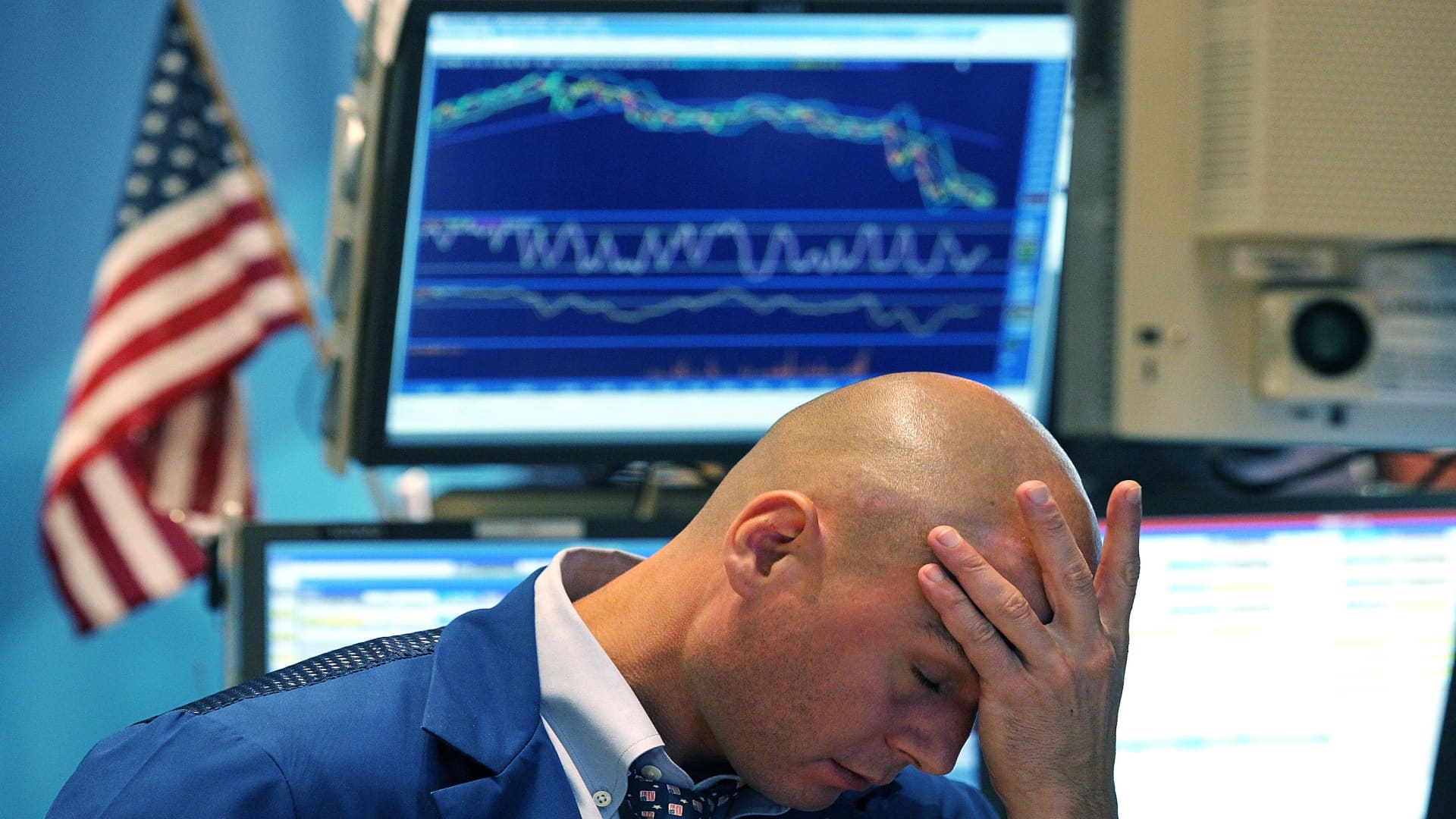
U.S. equity markets began November with a significant downturn, as the Nasdaq fell over 3% and the S&P 500 dropped 1.6%, primarily driven by investor concerns over elevated AI stock valuations, exemplified by Nvidia's 7% weekly loss, and the economic impact of the prolonged government shutdown, evidenced by rising job cuts and weakening consumer sentiment. Amidst this broader market weakness, Eli Lilly surged 7% following a GLP-1 pricing agreement with the Trump administration and positive mid-stage trial results for an experimental obesity drug, while DuPont posted a 16.5% gain for the week, demonstrating strong post-spinoff fundamentals. Other companies like Starbucks, Boeing, and GE Vernova also saw specific business developments, with some investors viewing market pullbacks as buying opportunities based on long-term outlooks.
The U.S. equity market experienced a challenging start to November, with the tech-heavy Nasdaq declining over 3% and the S&P 500 falling 1.6%, breaking three-week winning streaks. This downturn was primarily driven by investor concerns over elevated valuations in AI-related stocks, exemplified by Nvidia's 7% weekly loss and the realization of limited China market access for AI chips. Concurrently, the prolonged government shutdown's economic impact became evident through October's highest job cuts in 22 years and near-record low consumer sentiment, as reported by private organizations.
Amidst this broader market weakness, select companies demonstrated resilience and positive catalysts. Eli Lilly surged 7% for the week following a GLP-1 pricing agreement with the Trump administration, expanding access to Zepbound in Medicare/Medicaid, and positive mid-stage trial results for its experimental amylin obesity drug. DuPont also posted a significant 16.5% gain, despite initial post-earnings noise related to its Qnity Electronics spinoff and Aramids divestiture, with underlying fundamentals for the new entity appearing strong.
For long-term investors, the market pullback presented strategic buying opportunities in fundamentally sound companies. Starbucks was added to, with its decline deemed "overblown" given the strong turnaround under CEO Brian Niccol and the Green Apron Service initiatives. Similarly, Boeing was accumulated despite a 777X charge, as its 737 program execution and planned production increases are expected to drive future free cash flow. GE Vernova, benefiting from AI-driven electricity demand, also saw increased investment during the downturn, reflecting a positive long-term outlook on increased electricity infrastructure.
AI-powered research, real-time alerts, and portfolio analytics for institutional investors.
Request DemoOverall Sentiment
mixed
Sentiment Score
-0.15
Ticker Sentiment
