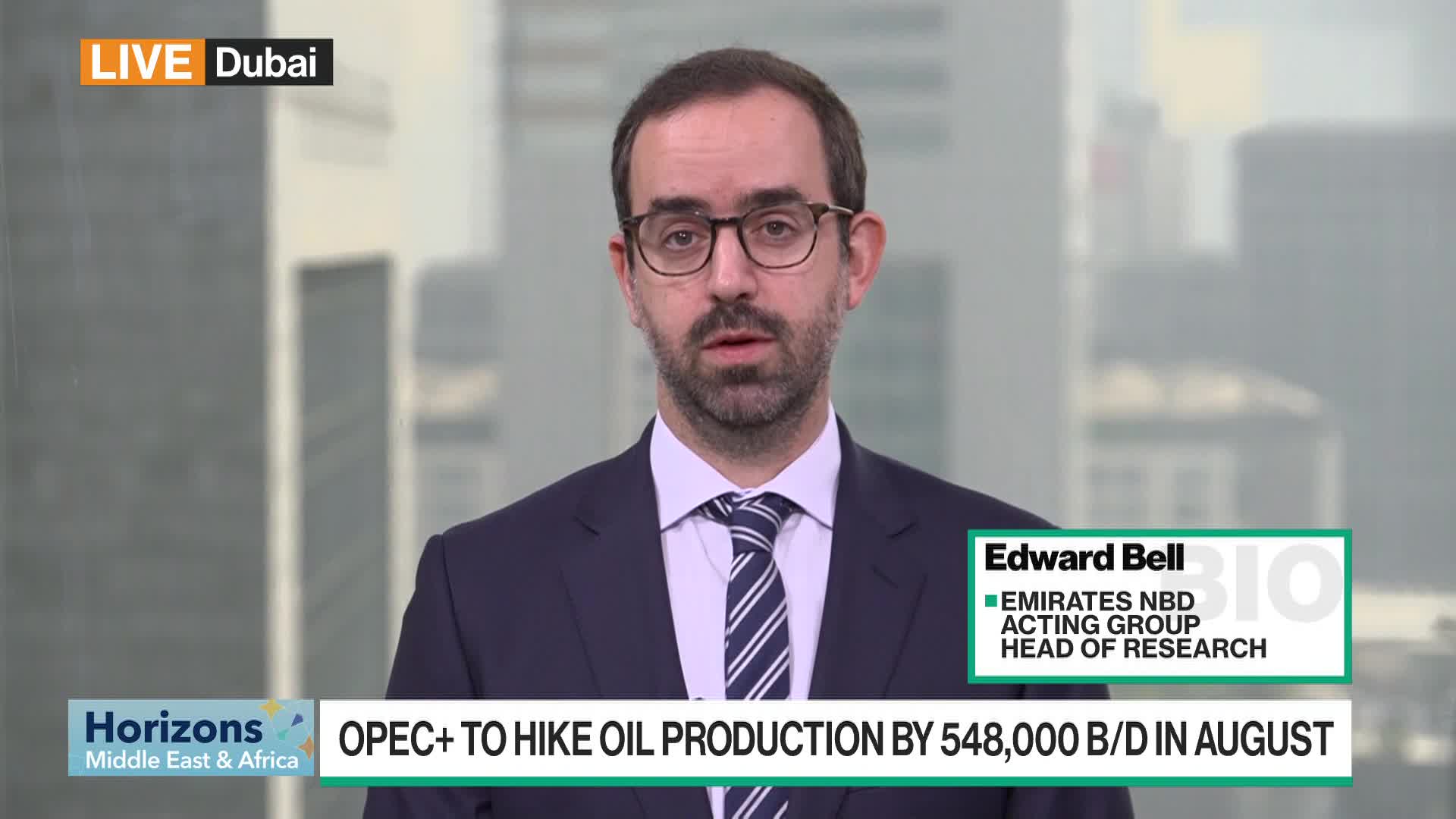
Oil prices steadied today as traders weighed the bearish implications of swelling US crude stockpiles and President Trump's tariff regime against the backdrop of a recent surprise production increase by the wider OPEC+ group, with OPEC's International Seminar currently underway in Vienna.
Oil prices are exhibiting a period of consolidation as the market digests competing bearish signals. On one hand, swelling U.S. crude stockpiles are exerting downward pressure by indicating a well-supplied market. This is compounded by the recent surprise decision from the OPEC+ group to increase production, further adding to supply-side concerns. On the other hand, significant macroeconomic uncertainty stemming from the fallout of President Trump's tariff regime is clouding the demand outlook, potentially curbing global consumption. The ongoing OPEC International Seminar in Vienna serves as a key focal point, with traders awaiting any new policy signals that could shift the current supply-demand balance. The overall market sentiment is neutral and uncertain, reflecting this deadlock between rising supply indicators and ambiguous demand forecasts.
AI-powered research, real-time alerts, and portfolio analytics for institutional investors.
Request DemoOverall Sentiment
neutral
Sentiment Score
0.00
Ticker Sentiment
