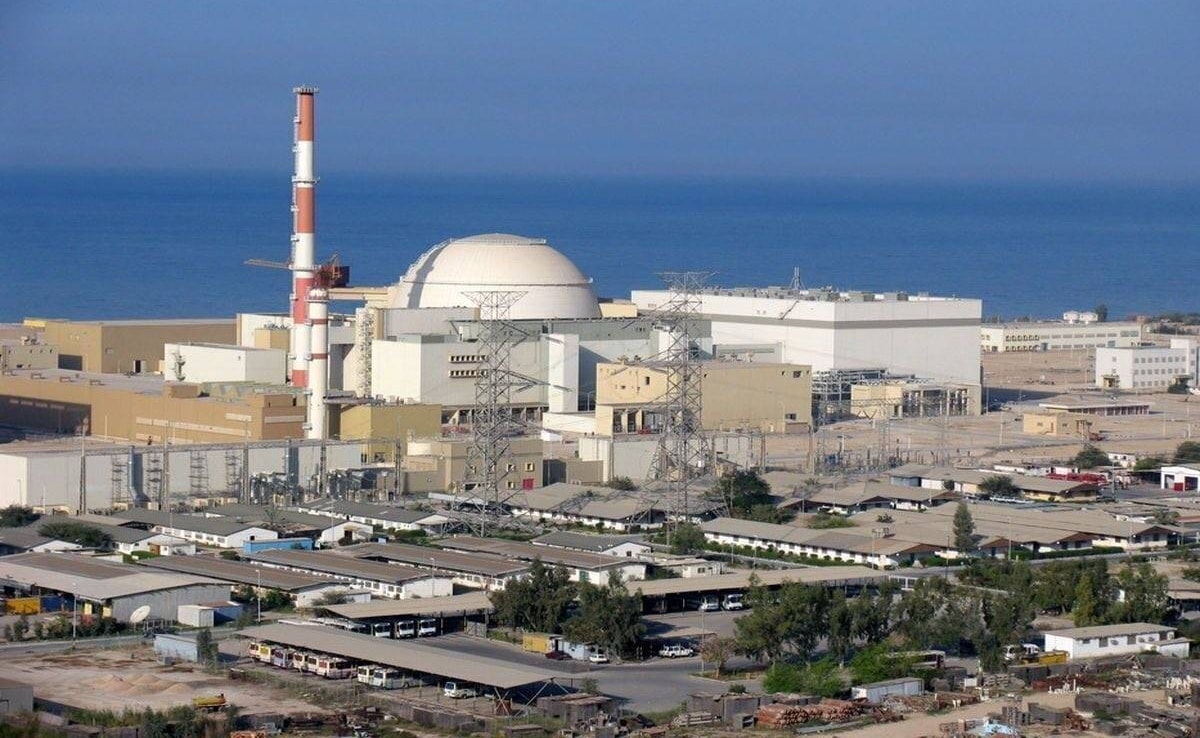
A projectile landed ~350 metres from Iran's Bushehr nuclear plant, Iran's sole civilian reactor, raising acute regional risk. The facility reportedly holds ~282 tonnes of nuclear material (72 t active fuel, ~210 t spent fuel) with a caesium-137 inventory of ~2,600 PBq ( cited as >10x Chernobyl's released amount), threatening desalination-dependent Gulf capitals (Kuwait ~270 km, Manama ~350 km, Doha ~450 km, Riyadh ~750 km). Strike risks include radiological contamination of water/food for decades, potential shutdowns of desalination capacity and knock-on impacts to regional energy/water security and markets.
Markets are likely to price a persistent regional risk premium rather than a one-off shock: even limited strikes that threaten critical coastal infrastructure raise the price of assurance (insurance, protection systems, spare capacity) for months. Expect episodic volatility in energy and shipping markets with spikes that decay over weeks unless there is a clear de‑escalation; a 3–6 month window is where risk premia get repriced and procurement decisions accelerate.
The clearest second-order demand is for defensive physical infrastructure — desalination, water‑treatment, and redundancy projects — where governments will favor rapid, onshore capex and modular vendors over long lead‑time bespoke builds. That creates a multi-year revenue runway for equipment suppliers and O&M specialists as budgets shift from discretionary projects to resilience upgrades.
Financially, two contemporaneous effects will play out: upward pressure on regional insurance/reinsurance rates and incremental upside to defense contractors supplying missile/air-defence and remote monitoring systems. Reinsurance repricing can be both immediate (rate on line hikes within 1–2 quarters) and structural (capacity withdrawal raising costs for corporates and sovereign buyers over 1–3 years).
Catalysts that would reverse or flatten these moves are rapid, verifiable de‑escalation, deployment of effective hardened defenses around key coastal infrastructure, or a diplomatic arrangement that materially limits cross‑border strikes. Tail risk — a damaged coastal reactor or storage pool — would force multi-decade contamination scenarios, producing permanent regional capex and migration patterns and an outsized market shock across energy, food and insurers.
AI-powered research, real-time alerts, and portfolio analytics for institutional investors.
Request DemoOverall Sentiment
strongly negative
Sentiment Score
-0.75
Ticker Sentiment
