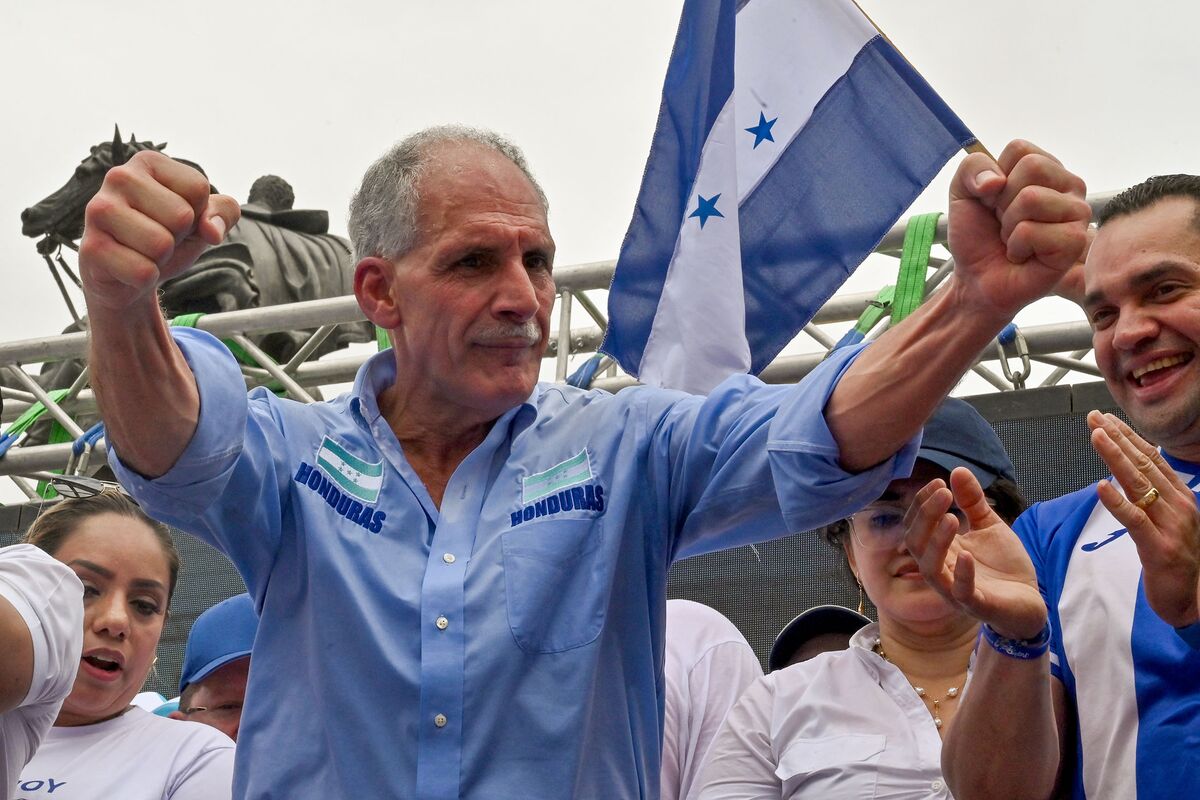
Honduran opposition presidential candidate Nasry Asfura has unveiled a markedly pro-US platform, vowing to strengthen ties with the United States and restore diplomatic relations with Taiwan, effectively rebuffing China. This agenda, which also aims to leverage returning migrants for economic revitalization, represents a significant departure from incumbent Xiomara Castro's leftist policies. Asfura's stance signals a potential right-wing political shift in Latin America, which could have notable implications for regional geopolitical alignments and future investment opportunities in Honduras.
Honduran opposition presidential candidate Nasry Asfura has outlined a platform representing a significant potential pivot in the country's foreign and economic policy. His pledge to strengthen ties with the United States and restore diplomatic relations with Taiwan constitutes a direct reversal of the current leftist administration's alignment with China. This proposed shift, described as part of a broader right-wing trend in Latin America, would re-orient Honduras's geopolitical stance. Economically, Asfura’s strategy includes capitalizing on the skills of returning migrants, framing deportations as an economic opportunity rather than a point of contention with the U.S. While the market impact is currently assessed as low, the proposal signals a potential change in the investment climate, moving away from the policies of incumbent President Xiomara Castro and towards a more explicitly pro-US framework.
AI-powered research, real-time alerts, and portfolio analytics for institutional investors.
Request DemoOverall Sentiment
moderately positive
Sentiment Score
0.50
