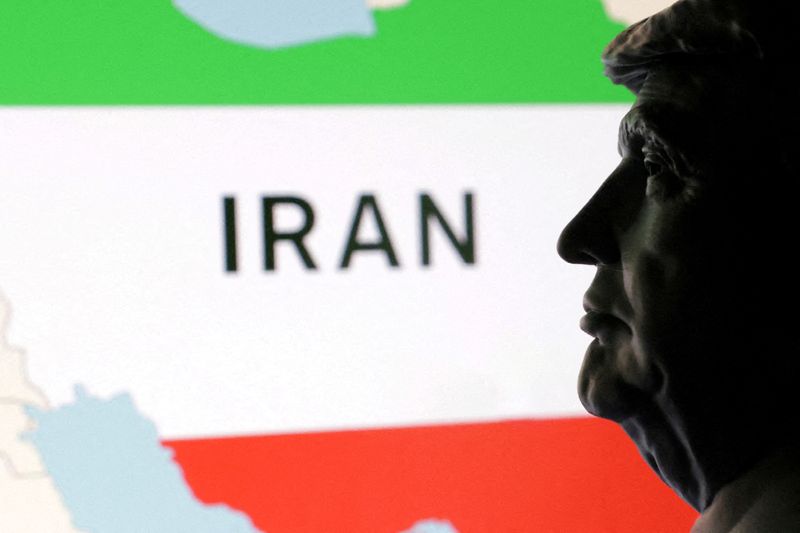
48-hour ultimatum issued by the U.S. President demanding Iran fully reopen the Strait of Hormuz, with threats to 'obliterate' Iran’s largest power plants if maritime threats persist. The Strait normally transits ~20% of global crude and LNG; tanker traffic has fallen to near zero and major Persian Gulf producers have cut output, creating a material global energy supply shock. Targeting civilian power infrastructure would substantially raise regional risk premia and likely drive sustained oil and energy market volatility through 2026.
Targeting civilian power infrastructure converts a short-term maritime shock into a multi-quarter structural risk premium because physical damage lengthens recovery time beyond a simple re-routing of tankers. Expect freight-cycle extension (Suez/Bab el-Mandeb reroutes and longer ballast legs) to tighten effective crude availability by 2-4% for months even if oil production resumes, amplifying price moves from headline supply hits.
Insurance and charter-rate inflation will act as a self-reinforcing multiplier: higher war-risk premiums raise delivered oil breakevens for buyers, incentivizing storage economics and creating episodic backwardation that benefits producers and owners of floating storage/tankers while penalizing refiners and industrial users. The U.S. shale response is supply-constrained on a 3–9 month horizon (drilling/permits/takeaway), so initial price dislocations are unlikely to be fully arbitraged away within a single quarter.
Diplomatic paths (SPR releases, parallel negotiations with regional producers, or a rapid de-escalation) are credible reversal catalysts within 7–45 days; absent those, the base case is elevated volatility for the remainder of 2026 with permanent re-rating of regional shipping, insurance, and defense risk premia. Corollary: commodities volatility is the bigger trade than directional oil exposure — asymmetric option structures and cross-asset pairs (energy vs consumption) will outperform outright long-equity bets if uncertainty persists.
AI-powered research, real-time alerts, and portfolio analytics for institutional investors.
Overall Sentiment
strongly negative
Sentiment Score
-0.70
