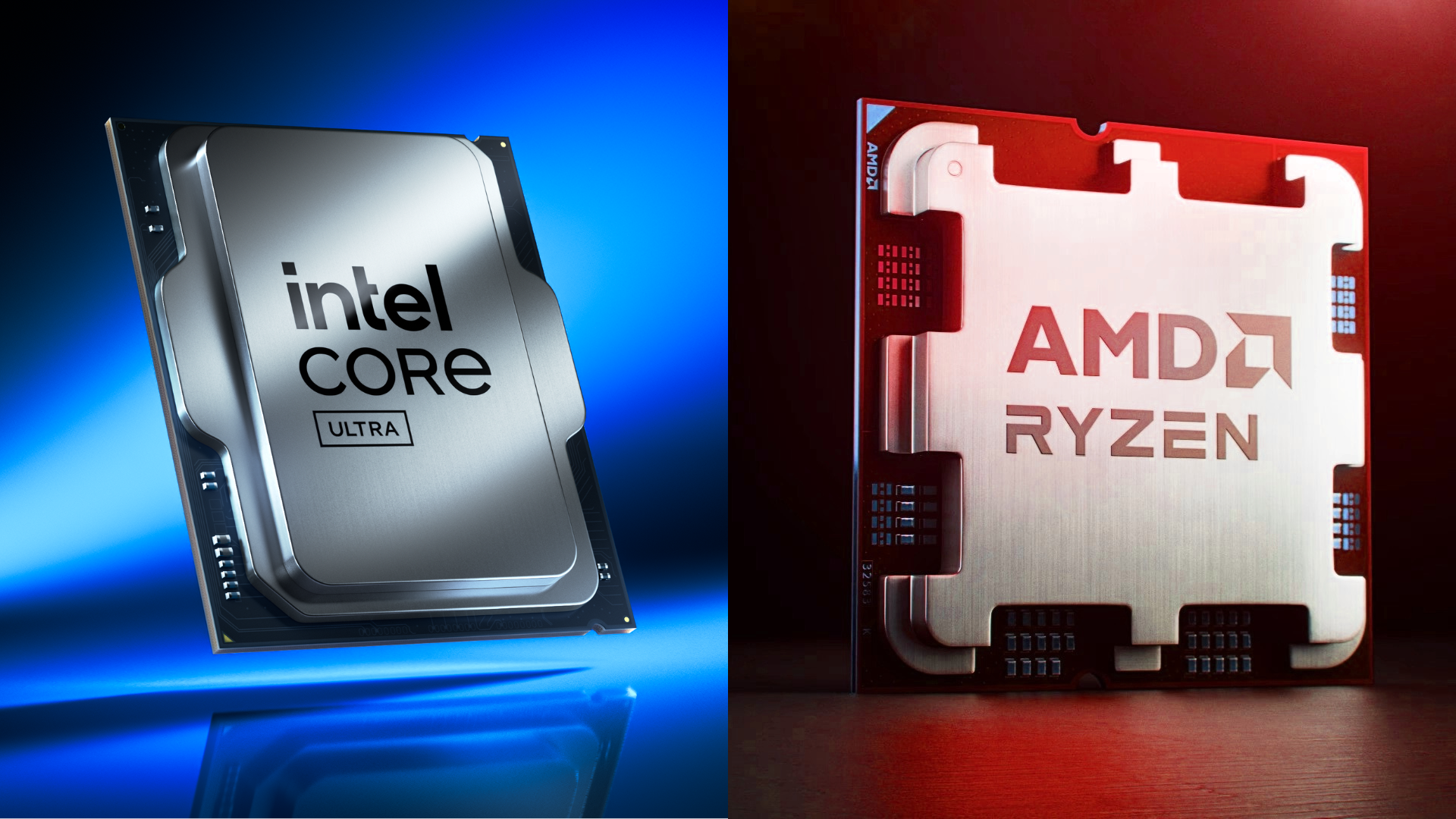
Reports indicate AMD's Zen 6-based Ryzen 10000 'Olympic Ridge' and Intel's next-gen Nova Lake desktop CPUs may be delayed into 2027 (with Nova Lake potentially unveiled at CES 2027), contradicting earlier roadmaps that targeted 2026. The delays are attributed to broader industry re-prioritization toward AI/data-center silicon, higher component costs (notably DDR5), and manufacturing cadence shifts; technical specs leaked include a 12-core CCD enabling a 24-core Zen 6 flagship and up to 52 cores / ~288 MB bLLC for top Nova Lake SKUs. For investors, this implies potential near-term headwinds to consumer-PC revenue and upgrade cycles but possible mitigation from enterprise/data-center prioritization, with limited immediate market-moving financial metrics disclosed.
Market structure: Delays to AMD Zen 6 and Intel Nova Lake-S shift near-term share/pricing power to wafer and datacenter suppliers (TSM, gate-first foundries, and enterprise CPU customers). Expect consumer CPU revenue pressure (Intel/AMD combined) of mid-single-digit percentage points over the next 4 quarters as PC upgrades stall due to DDR5 cost and timing uncertainty, while datacenter/AI SKUs retain priority and margin expansion.
Risk assessment: Immediate (days) — volatility and put/call skew will rise for INTC/AMD; short-term (weeks–months) — guidance misses or OEM inventory destocking possible; long-term (quarters to CES 2027) — secular reallocation of wafer capacity and OEM platform transitions may crystallize. Tail risks include major fab yield setbacks at TSMC/Intel, new export controls to China, or a rapid memory-price collapse (>30% drop) that re-accelerates consumer upgrades.
Trade implications: Tactical winners are TSM (benefits from N2 wafer demand) and memory suppliers if DDR5 prices stay elevated; structural loser is INTC client CPU segment, with optionality for AMD depending on CCD allocation. Options volatility will rise; preferred instruments are calendar/verticals into CES 2027 and Jan 2027 expiries for puts on Intel to time guidance/holiday sales prints.
Contrarian angles: Consensus overlooks that AMD can protect margins by diverting CCDs to EPYC — meaning desktop delay ≠ material profit hit if enterprise demand holds. Historical parallel: Intel’s 10nm delays created multi-year share shifts; if Intel’s 18A yields improve by H2 2027, current shorts will face rapid squeeze — position size and timebox accordingly.
AI-powered research, real-time alerts, and portfolio analytics for institutional investors.
Request DemoOverall Sentiment
moderately negative
Sentiment Score
-0.35
Ticker Sentiment
