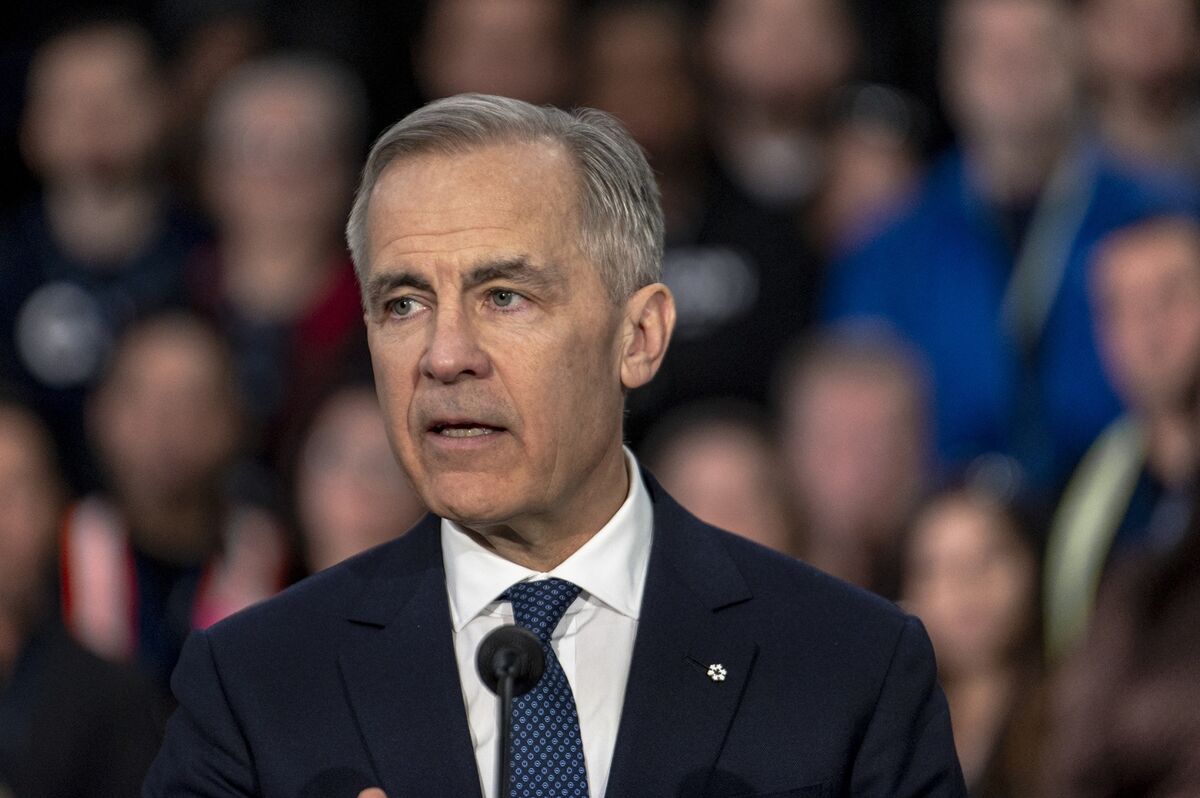
Canadian officials urged all sides in the Middle East conflict to avoid targeting civilians or civilian infrastructure after U.S. President Donald Trump warned that 'a whole civilization will die' if Iran doesn't meet his demands. Prime Minister Mark Carney emphasized that all parties must follow international law and established rules of engagement. Market implication: the diplomatic appeal raises geopolitical risk and could exert modest upward pressure on oil and defense-related assets, but it is a statement of restraint rather than a new escalation so immediate market moves should be limited.
Diplomatic and legal pressure against striking civilian infrastructure raises the non-linear cost of kinetic escalation — higher insurance premiums, transaction costs for contractors, and reputational/legal exposure for states and corporates. Practically, that skews demand away from offensive munitions toward ISR, missile defense, hardened logistics, and cyber/resilience spending; procurement cycles mean visible revenue upside for those vendors arrives on a 6–24 month cadence while insurance repricing happens in weeks–months.
Second-order supply-chain effects: energy and shipping players will pay more for war-risk cover and route diversification, boosting brokers and reinsurers' short-term top-line; conversely, suppliers of expendable strike munitions face muted order acceleration if political constraints harden. Electoral and domestic political incentives create asymmetric timing — politicians favor constrained responses until a catalytic attack forces a policy reset, so volatility clusters around any credible targeting of infrastructure (days) and policy shifts (weeks–months).
Tail risk remains binary and skewed: a single high-casualty strike on civilian infrastructure would immediately reverse all of the above, spiking energy/insurance prices and boosting offensive-weapons demand within 48–72 hours. Watch legal/jurisdictional actions and coordinated allied statements as leading indicators of durable norm-setting versus mere headline-driven blips; the difference determines whether this is a temporary risk-premium or a multi-year structural reallocation toward resilience and defense-R&D.
AI-powered research, real-time alerts, and portfolio analytics for institutional investors.
Request DemoOverall Sentiment
neutral
Sentiment Score
0.00
