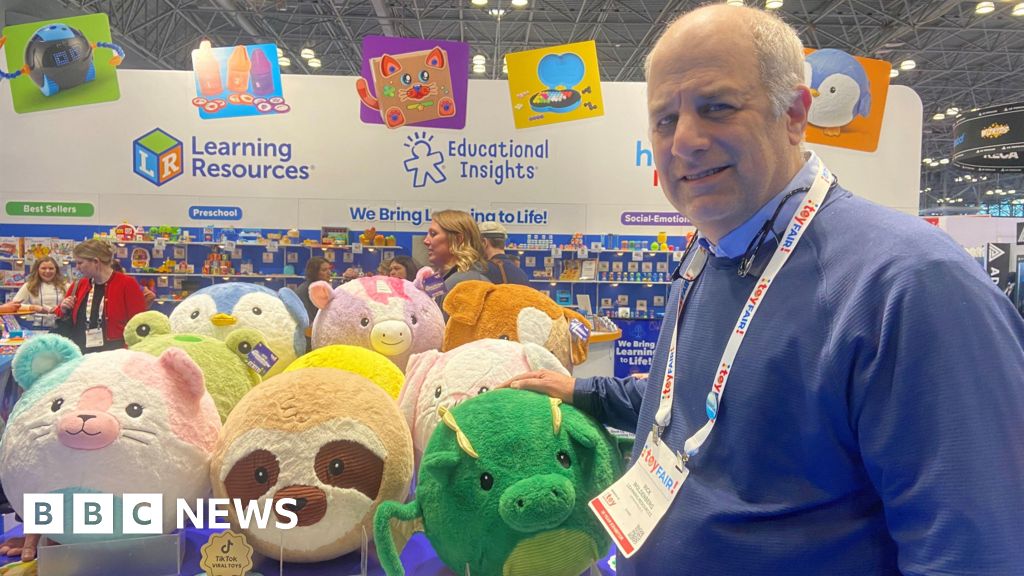
Toy companies remain under pressure from last year’s rapid U.S. tariff roll-out—tariffs on Chinese goods once hit 145% at peak before averaging roughly 20%—which forced many firms to raise prices and cut profits (Basic Fun reported a 65% profit slide). Small manufacturers cite last year’s hikes (e.g., Tonka trucks from $30 to ~$35; Glo Pals up ~20% to $12.99) and are watching a Supreme Court case that could require refunds of billions and change tariff policy; some firms shifted suppliers or absorbed costs, but broad uncertainty around future tariff policy keeps margins and pricing decisions volatile.
Market structure: Tariff shock redistributes margins toward firms that can domesticate supply or wield pricing power. Winners include large branded toy makers with scale to negotiate alternate Asia suppliers or pass ~20% average tariff to consumers (e.g., Hasbro, Mattel); losers are low‑margin import‑dependent independents and discounters (Small-cap toy brands, some XRT constituents) that saw profit hits up to ~65% (Basic Fun). Freight/contract manufacturing in SE Asia and nearshoring services gain optionality as firms diversify over 12–36 months.
Risk assessment: Key tail risks are binary and high‑impact — a Supreme Court ruling nullifying tariffs would trigger refunds (billions) and rapid margin restoration within weeks; a policy pivot replacing tariffs with other levies would prolong margin pressure for 1–3+ years. Immediate horizon (days): legal outcome volatility; short (weeks–months): earnings revisions and guidance; long (quarters–years): supply‑chain reshoring costs, permanent price elasticity shifts for low‑price toys. Hidden dependencies: retailers’ passthrough rates and consumer elasticity for <$20 SKUs determine ultimate profits.
Trade implications: If court rules against tariffs, expect 20–40% upside in large-cap toy makers over 6–12 months as refunds/price normalization occur — actionable by buying HAS/MAT equity and 6‑month calls 20–30% OTM. Conversely, if tariffs persist or are replaced, short import‑exposed retail (initiate XRT short) and buy 3‑month puts on XLY as a hedge. Cross‑asset: minimal sovereign bond impact; tariffs favor USD safe‑haven flows and increase short‑dated equity implied volatility around rulings.
Contrarian angles: Consensus underweights speed and scale of potential refunds and consequent margin snap‑back; small caps likely over‑penalized today while large caps are under‑priced for a positive ruling. Historical precedent (early 2000s tariff episodes) shows concentrated, short‑duration price effects followed by rapid re‑rating. Unintended consequence: refunds could force retailers to cut elevated prices, compressing top‑line but expanding manufacturer margins — watch 10‑day post‑ruling price moves >5% as a trimming signal.
AI-powered research, real-time alerts, and portfolio analytics for institutional investors.
Request DemoOverall Sentiment
moderately negative
Sentiment Score
-0.35
