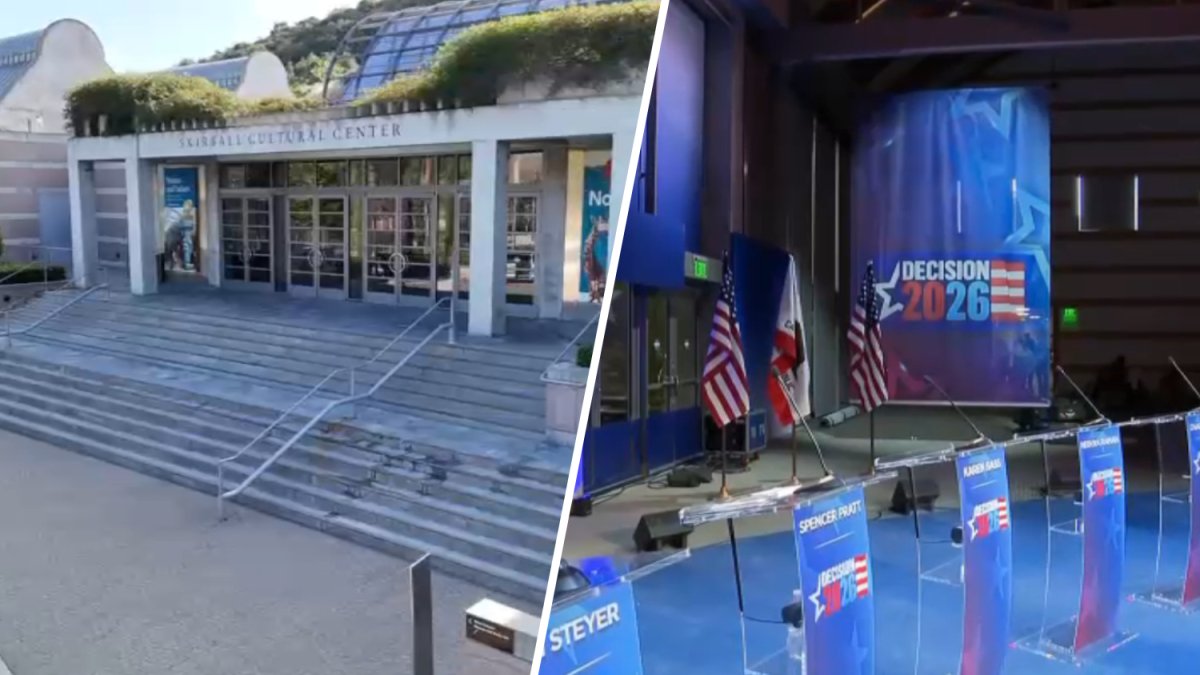
California gubernatorial and Los Angeles mayoral candidates met in a debate double-header ahead of the June 2 primary election, with wildfires, immigration, homelessness, public safety and quality of life as key topics. The article is primarily political coverage and does not indicate any direct market-moving policy shift. The only concrete election timetable cited is the May 18 voter registration deadline, with top-two candidates advancing to the November runoff.
The immediate market read-through is not on election headlines themselves but on the probability distribution for California policy over the next 12-24 months. The candidate field is broad enough that the base case is continuity on regulation and spending, but the runoff structure makes the real catalyst the consolidation phase after the primary, when housing, wildfire mitigation, utility reliability, and public-safety signaling get narrowed into a few investable priorities. That matters because California policy has an outsized influence on national rules-of-the-road in autos, energy, insurers, homebuilders, and public contractors.
The second-order winners are likely to be firms levered to state and municipal capital deployment rather than pure “pro-growth” names. Wildfire adaptation, grid hardening, water, emergency response, and housing enablement create a budget-to-backlog transmission mechanism that can persist for several years, while political pressure on affordability can accelerate permitting and subsidized housing/infra spending even if rhetoric stays anti-developer. The underappreciated loser set is insurance-linked and utility-exposed balance sheets: if the debate elevates climate resilience without a credible funding plan, policy could push more costs onto carriers, utilities, and ratepayers, increasing headline volatility and regulatory overhang.
The key risk is that consensus overprices the near-term market impact of the election while underpricing the slower but larger effect of California’s legislative agenda after the primary. A May 18 registration deadline and June 2 primary create a short catalyst window for polling-driven volatility, but the more durable trade is through the summer budget process and fall runoff messaging, when candidates sharpen positions on homelessness, land use, EV mandates, and wildfire spending. A sharp shift toward more aggressive regulation would be negative for utilities and insurers, but constructive for contractors, mitigation vendors, and some infrastructure names; a moderation outcome would do the opposite.
Contrarian view: the biggest opportunity may be in names exposed to state procurement and remediation rather than in the obvious “California beta” trades. The market tends to focus on housing and taxes, but the spend that actually gets appropriated first is often resilience and emergency infrastructure, especially after high-profile wildfire seasons. That makes the current setup more about budget authorization than ideology, and investors should lean into businesses with existing California execution capacity rather than narrative-heavy beneficiaries.
AI-powered research, real-time alerts, and portfolio analytics for institutional investors.
Request DemoOverall Sentiment
neutral
Sentiment Score
0.02
