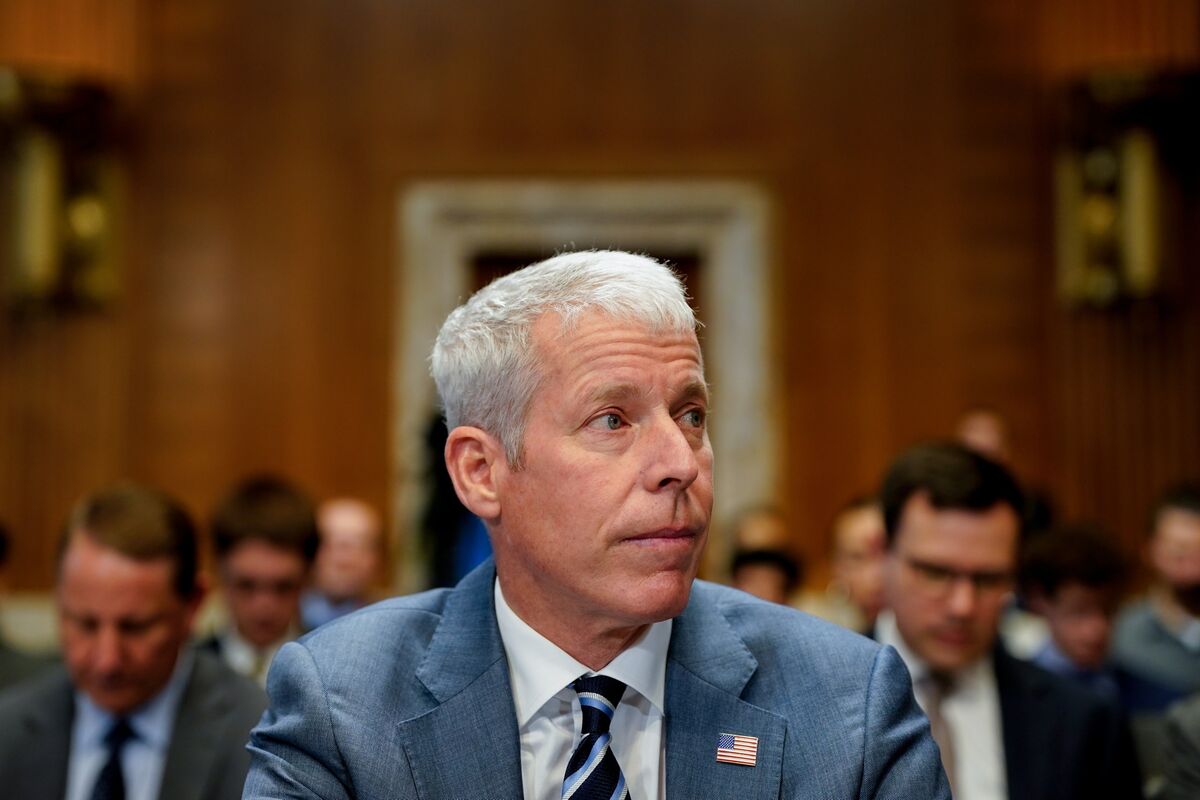
US Energy Secretary Chris Wright is asserting, based on an Energy Department report, that climate change is not intensifying extreme weather, a position directly at odds with mainstream scientific consensus. This declaration reflects the broader Trump administration strategy to curtail federal climate initiatives and scientific research, potentially signaling significant policy shifts and increased uncertainty for sectors sensitive to environmental regulations and climate-related investments.
The US Energy Secretary, Chris Wright, is actively promoting findings from a new Energy Department report which conclude that climate change is not increasing the intensity or frequency of extreme weather. This position is presented as being in direct conflict with authoritative, mainstream climate science. The action is not an isolated event but rather a component of a broader, stated strategy by the Trump administration to systematically dismantle federal climate programs, reduce the influence of government scientists, and limit access to historical scientific data. This creates significant policy uncertainty for industries and investments sensitive to environmental regulation and climate-related initiatives, signaling a potential shift away from science-backed policymaking towards a politically motivated agenda.
AI-powered research, real-time alerts, and portfolio analytics for institutional investors.
Request DemoOverall Sentiment
moderately negative
Sentiment Score
-0.50
