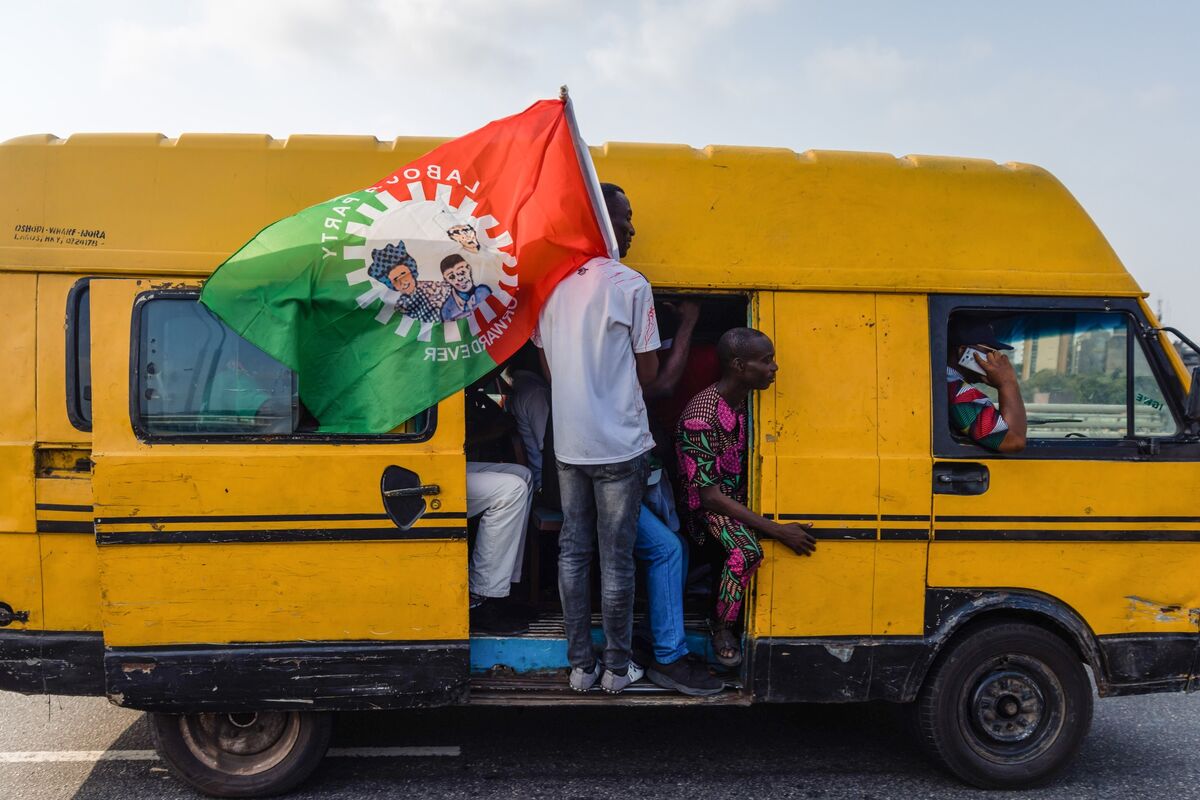
Nigeria's leading opposition figures, including Atiku Abubakar (PDP), Peter Obi (Labour Party), and Nasir El-Rufai (SDP), have agreed to unite ahead of the 2027 election. This alliance aims to overcome divisions that contributed to President Bola Tinubu's win two years prior, potentially reshaping the political landscape and challenging the ruling party's hold on power.
Key Nigerian opposition figures, namely former Vice President Atiku Abubakar of the Peoples Democratic Party, Peter Obi of the Labour Party, and former minister Nasir El-Rufai of the Social Democratic Party, have reportedly concluded discussions and agreed to unite ahead of the 2027 general election. This development seeks to rectify the rifts within the opposition that are considered to have facilitated President Bola Tinubu's victory two years ago. While the election is distant, the formation of a unified opposition bloc represents a potentially significant shift in Nigeria's political landscape, potentially leading to a more consolidated challenge against the incumbent party. The neutral sentiment and low market impact score associated with this news suggest that markets are not immediately pricing in significant changes, likely due to the long timeframe and inherent uncertainties in political alliances. However, for an emerging market like Nigeria, such political realignments are critical indicators of future stability and policy direction, which can have long-term implications for the investment environment.
AI-powered research, real-time alerts, and portfolio analytics for institutional investors.
Request DemoOverall Sentiment
Neutral
Sentiment Score
0.00
