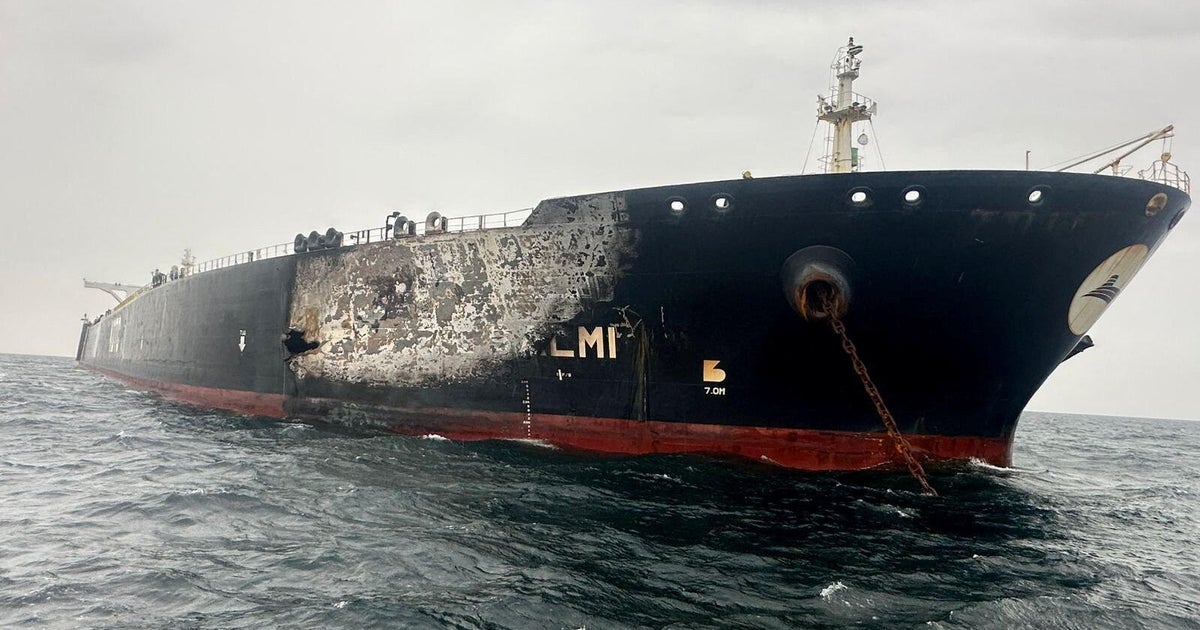
U.S. retail gasoline averaged over $4.00/gal for the first time in nearly four years as energy markets spiked after a fully laden Kuwaiti VLCC (Al‑Salmi) was struck off Dubai and a tanker fire raised spill risk. Iranian- or U.S./Israeli-linked strikes reportedly put a Qeshm desalination plant offline (island population ~150,000) and U.S. strikes hit Isfahan, a site believed to hold highly enriched uranium (satellite imagery showed a truck with 18 containers possibly holding ~534 kg of up-to-60% enriched material), heightening escalation risk to regional oil flows and shipping. Casualties include 4 Israeli soldiers and 3 U.N. peacekeepers killed, while Gulf states are pressing the U.S. to continue the campaign — signaling a material near-term supply/shock risk to oil markets and a prolonged risk-off impulse for risk assets.
Immediate market dynamics favor assets that capture scarcity rents and route disruption premiums: VLCC owners and spot tanker charters see outsized earnings from longer voyage rotations and insurance surcharges, while integrated oil producers with low per-barrel lifting costs capture most of any price spike compared with refiners whose margins compress as crude rises. Desalination and power-plant damage introduces a non-linear infrastructure risk premium across Gulf supply chains — contractors and electro-mechanical suppliers can secure multi-year rebuild revenues, but work stoppages create bottlenecks that will shift regional crude flows into longer, costlier legs.
Time horizons matter: shipping and insurance repricing is immediate (days–weeks) and can sustain elevated freight and P&I rates for quarters if chokepoints remain insecure; US shale responds in months (2–6) to price signals and is the most credible mean-reversion engine for oil/gas prices. Key catalysts that would rapidly unwind market stress are coordinated SPR releases or a credible ceasefire (days–6 weeks) and, over 3–6 months, a material shale ramp or visible demand destruction in transportation fuels.
The consensus understates two second-order effects: (1) sustained higher bunker and voyage costs will re-price refinery economics regionally, advantaging Gulf Coast refiners with light-sweet feedstock access and disadvantaging export-oriented refiners; (2) a prolonged strike-risk premium will accelerate capital allocation into alternative logistics (pipelines, rail link projects) and desalination buildouts, creating multi-year winners among specialty contractors. Volatility will remain elevated — focus on cash-generative names with visible hedges and pricing power rather than levered owner-operators without time-charter coverage.
AI-powered research, real-time alerts, and portfolio analytics for institutional investors.
Request DemoOverall Sentiment
strongly negative
Sentiment Score
-0.75
Ticker Sentiment
