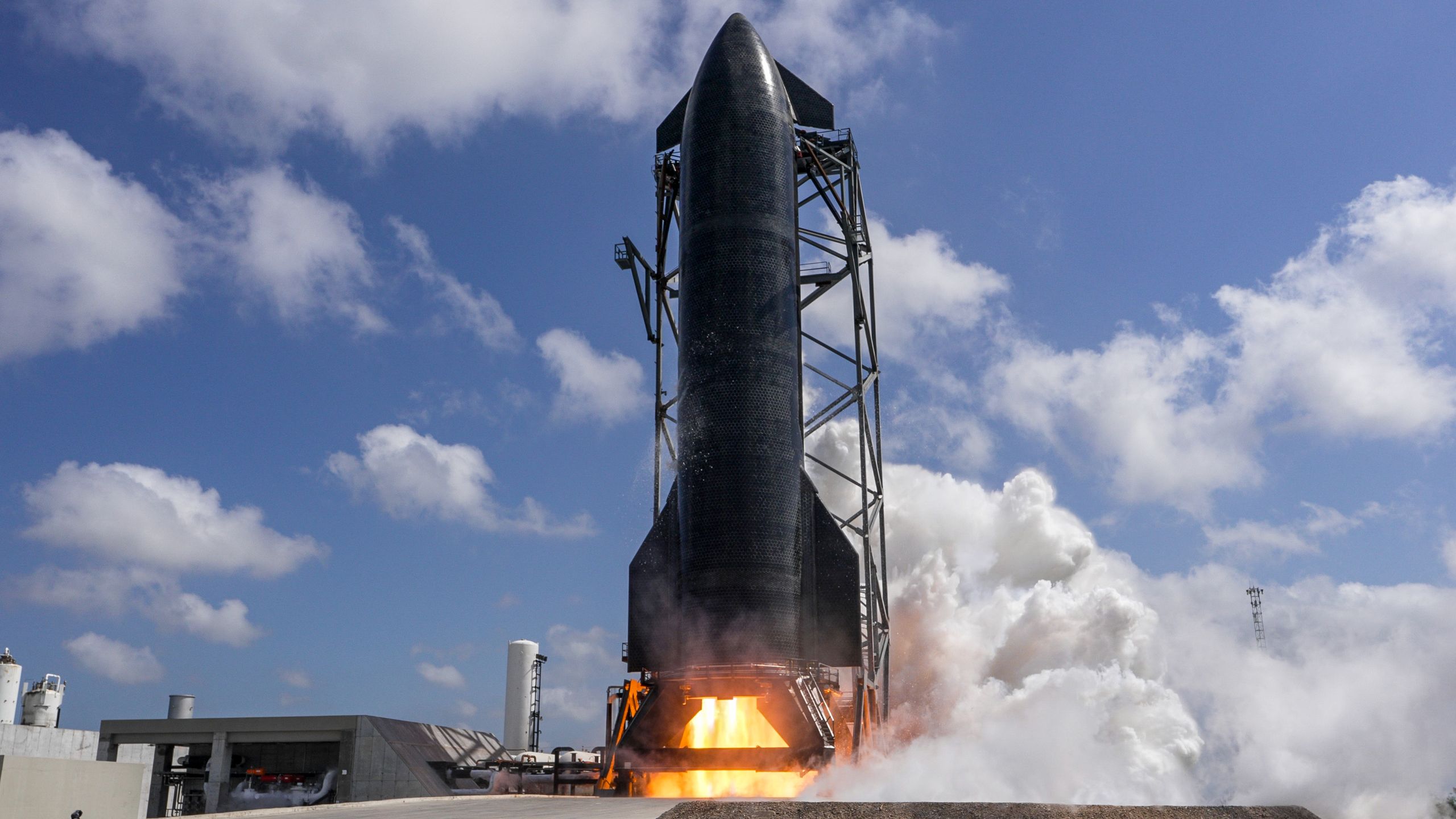
SpaceX's Starship Flight 12 will debut the new V3 vehicle and deploy 22 dummy Starlink satellites, including two inspector spacecraft designed to image the heat shield during flight. The test is notable for its focus on reusable heat-shield validation, a key technical hurdle for Starship's future missions to Starlink, lunar transport, and Mars. The article is largely a factual preview of a planned test flight, so the near-term market impact appears limited.
This is less about a single test and more about de-risking the commercialization timeline. The meaningful second-order effect is that a successful in-space inspection of the thermal protection system reduces the odds that Starship remains a science project and increases the probability that it becomes a real payload logistics platform for Starlink and eventually high-cadence launch services. The market should care less about headline launch success and more about whether the inspection data compresses the iteration loop on tile loss, because that is the bottleneck to reuse economics. The key commercial implication is not SpaceX revenue today but competitive pressure on the broader launch and satellite supply chain. If the vehicle can start proving repeatable recovery diagnostics, it strengthens the case for a lower marginal cost path to large-scale Starlink deployment, which is negative for legacy launch providers, smallsat rideshare ecosystems, and any defense-adjacent launch capacity priced on scarcity. In parallel, improved confidence in reusable thermal protection would support a step-function increase in launch cadence expectations, a dynamic that tends to re-rate upstream propulsion, specialty materials, and cryogenic handling vendors with Starship exposure. The contrarian read is that the risk/reward is asymmetric to the downside if the market extrapolates too much from one clean test. Heat-shield inspection is necessary but not sufficient; the real hurdle is proving that tile integrity and post-flight turnaround can be standardized enough to remove expensive manual inspection, and that likely remains a months-to-years problem. Any visible tile shedding, image ambiguity, or splashdown anomaly would quickly push the timeline out and pressure the “rapid reuse” narrative, even if the mission is otherwise deemed a success. For SHIP specifically, this is a positive catalyst on engineering credibility, but it is still a pre-revenue platform with binary execution risk. The better trade is to express the theme through adjacencies that benefit from a credible Starship cadence, while keeping size modest until there is evidence that the inspection workflow materially improves turnaround time rather than just improving telemetry.
AI-powered research, real-time alerts, and portfolio analytics for institutional investors.
Request DemoOverall Sentiment
mildly positive
Sentiment Score
0.25
Ticker Sentiment
