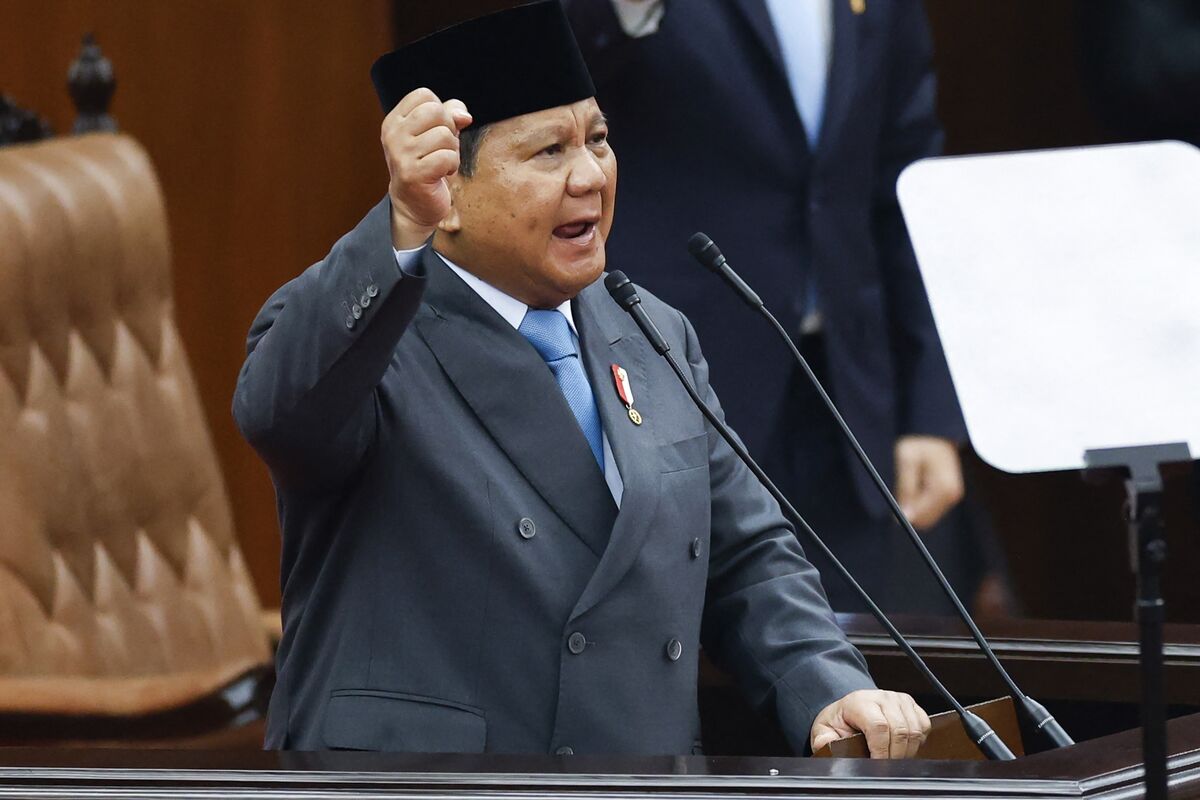
Analysts are expressing skepticism regarding Indonesia's ability to meet its 2026 budget deficit target, citing President Prabowo Subianto's populist spending commitments and a lack of new tax initiatives. The government aims for a 10% increase in state revenue to 3,148 trillion rupiah ($194 billion) and a 13.5% rise in tax receipts, planning to achieve this through improved compliance and integrating the shadow economy. However, the absence of concrete new tax measures raises doubts about the feasibility of these ambitious revenue goals and the country's fiscal outlook.
Analysts are flagging a significant fiscal risk in Indonesia's 2026 budget, driven by a disconnect between President Prabowo Subianto's populist spending ambitions and the proposed revenue generation strategy. The government targets a substantial 10% year-over-year increase in state revenue to 3,148 trillion rupiah ($194 billion), predicated on an aggressive 13.5% surge in tax receipts. However, the plan, as articulated by the Finance Minister, relies solely on improving tax compliance and expanding the tax base into the informal economy, without the introduction of any new tax measures. This lack of concrete policy action to support the revenue goals is fueling skepticism and raises serious questions about the government's ability to avoid breaching its budget deficit target, creating a pessimistic outlook for the country's fiscal stability.
AI-powered research, real-time alerts, and portfolio analytics for institutional investors.
Request DemoOverall Sentiment
moderately negative
Sentiment Score
-0.50
